
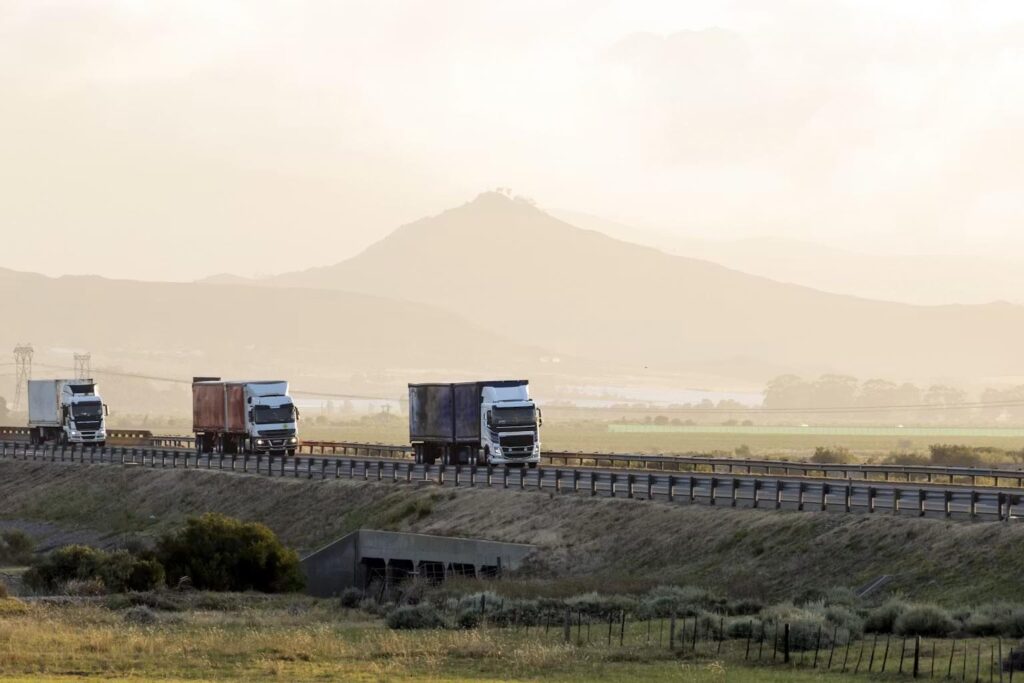
As tensions rise in South Africa surrounding protests against undocumented migrants, the freight and logistics sector is grappling with significant operational challenges. Scheduled demonstrations on June 30 have prompted freight operators to take precautionary measures, including altering delivery routes and enhancing security protocols. This situation underscores the broader impact of social unrest on critical industries and raises important questions about how businesses can navigate such uncertainties while maintaining operational integrity.
In recent weeks, freight companies have found themselves at a crossroads, forced to balance the demands of their customers with the safety of their employees and cargo. The protests, organized by the group March and March, have sparked fears of violence and disruption, particularly along major transport corridors like the N3 and N4 freeways, which are vital for moving goods to and from the eastern port city of Durban. The Road Freight Association (RFA), led by CEO Gavin Kelly, has advised members to consider delaying deliveries and implementing alternative strategies to ensure the safety of their operations.
The backdrop for these protests is a growing sentiment among some South Africans that undocumented foreign nationals are straining public services and competing for jobs. While these concerns reflect broader socio-economic issues, the immediate effect is a palpable sense of unease within the freight industry. Kelly’s remarks highlight the need for companies to remain agile and responsive to evolving situations. “We’ve said to our members you’ve got to think about your employees and whether you can delay what you’re going to do,” he stated, emphasizing the importance of proactive contingency planning.
The South African Police Service (SAPS) is also taking steps to mitigate potential violence, with an anticipated security deployment costing approximately R600 million. Acting police commissioner Puleng Dimpane has assured the public that authorities are prepared to maintain order and prevent any disruptions to daily life. This commitment to security is crucial for freight operators who rely on the uninterrupted flow of goods to sustain their businesses.
However, the freight industry’s challenges extend beyond potential protests. South Africa’s supply chains were already under pressure due to port inefficiencies, infrastructure issues, and sporadic disruptions, which have made logistics a complex endeavor. The prospect of protests only adds another layer of uncertainty, as companies must now contend with the possibility of delayed deliveries, increased costs, and potential damage to their reputations.
In addition to March and March, the All Truck Drivers Forum & Allied South Africa is organizing its own actions, aimed at highlighting grievances over the employment of foreign drivers. This coordinated effort to disrupt traffic on key routes signals a growing trend of activism within the logistics sector. Gugu Sokhela, the forum’s secretary-general, has indicated that while the intention is not to completely stop traffic, the freight industry should expect noticeable delays. “That means the cargoes will be delayed,” he stated, underscoring the inevitability of disruption.
For traders and investors, these developments highlight the importance of closely monitoring socio-political dynamics as they can have far-reaching implications for the logistics and supply chain sectors. The ability to adapt to rapidly changing circumstances can be a key differentiator for companies in this landscape. Investors may want to consider companies with robust risk management strategies and contingency plans in place, as these organizations are better positioned to weather disruptions.
Moreover, understanding the broader socio-economic context of these protests is essential for anyone involved in the South African market. The growing dissatisfaction with the status quo indicates a potential shift in public sentiment that could impact consumer behavior and regulatory environments in the future.
In conclusion, the current situation in South Africa serves as a reminder of the interconnectedness of social issues and business operations. As freight operators navigate the challenges posed by anti-migrant protests, they must remain vigilant and adaptable to ensure the safety of their employees and the continuity of their services. The unfolding dynamics also present valuable lessons for traders and investors about the need for comprehensive risk assessments in a volatile environment. Ultimately, how businesses respond to these challenges will shape the future landscape of the logistics sector in South Africa.