
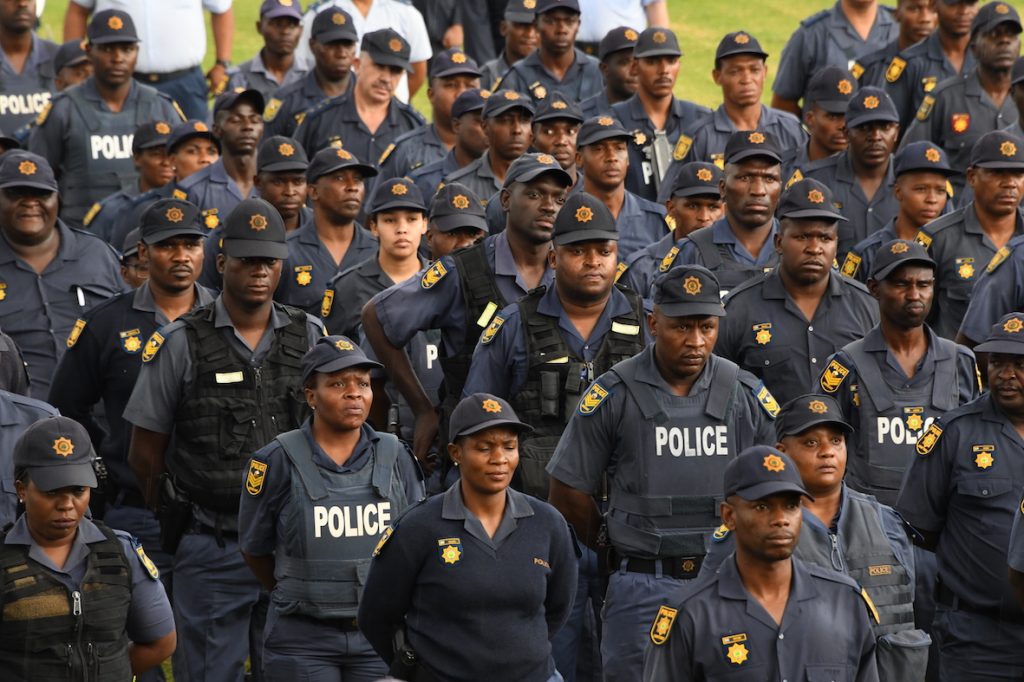
As South Africa gears up for a series of anticipated protests led by anti-immigrant organizations, the government is taking proactive measures to prevent a repeat of the tragic events from July 2021. That month, protests erupted into violence, resulting in significant loss of life and damage to property. With the looming demonstrations scheduled for June 30, officials are keen to mitigate any potential unrest while addressing a complex immigration landscape that has stirred public sentiment and prompted governmental responses.
The situation surrounding immigration in South Africa has become increasingly contentious, fueled in part by economic challenges and social tensions. The government is grappling with a dual imperative: maintaining public order while also addressing the legitimate concerns related to immigration and its impact on local communities. The protests, primarily driven by groups demanding the expulsion of illegal immigrants, are reflective of broader societal frustrations and the desire for stricter enforcement of immigration laws.
In preparation for the protests, South Africa’s police force has canceled all leave for officers and is ramping up its presence across key areas. The military is on standby to protect critical infrastructure, a move that underscores the government’s commitment to ensuring safety during what they hope will be peaceful demonstrations. Private security firms are also on high alert, indicating the seriousness with which authorities are treating the potential for unrest.
One of the key players in this ongoing discussion is President Cyril Ramaphosa, who recently engaged with Zulu monarch King Misuzulu KaZwelithini to discuss immigration issues. Ramaphosa urged the king to advocate for peaceful protests, signaling an effort to defuse tensions while emphasizing the need for lawful conduct during demonstrations. This dialogue highlights the importance of community leaders in shaping public discourse and encouraging unity rather than division.
The South African Police Service (SAPS) has made it clear that they are prepared to manage the protests without infringing on citizens’ rights to demonstrate. Acting Minister of Police Firoz Cachalia has warned that law enforcement will be vigilant, ensuring that any disruption is dealt with swiftly. This proactive stance aims to balance the right to protest with the need for public safety, a delicate equilibrium that is often challenging to maintain.
Despite the government’s measures, there remains widespread concern regarding the country’s immigration policies. The Department of Home Affairs (DHA) is under significant pressure to reform an immigration system that many believe is inadequate. Minister Leon Schreiber has announced steps to cancel thousands of visas, including a notable number of study visas, as part of a broader crackdown on undocumented migrants. This move reflects the urgency behind the government’s commitment to address immigration challenges while also responding to public outcry.
The economic implications of this immigration debate are profound. South Africa has long been viewed as a destination for migrants seeking better opportunities, but the influx has sparked fears regarding job competition and social cohesion. Countries such as Malawi, Ghana, and Nigeria have expressed alarm over the situation, prompting voluntary repatriation efforts for their citizens living in South Africa. This exodus not only impacts the individuals involved but also raises questions about the economic ramifications for a country already grappling with high unemployment rates and social inequality.
Key takeaways from the current situation include the need for a balanced approach to immigration that considers both humanitarian obligations and the concerns of local citizens. Policymakers must work diligently to reform the immigration system while fostering dialogue that encourages peaceful coexistence among diverse communities. The call for unity and understanding is crucial in navigating this complex landscape.
For traders and investors, the unfolding immigration crisis presents both risks and opportunities. Economic instability linked to social unrest can have detrimental effects on local markets, potentially influencing investment strategies. Understanding the political climate and its impact on economic policies is essential for making informed decisions. Investors should monitor government responses to protests and immigration policy changes, as these factors could significantly affect market conditions and consumer sentiment.
In conclusion, South Africa stands at a crossroads as it seeks to manage the challenges posed by immigration and public sentiment. The government’s readiness to address protests and the call for peaceful demonstrations reflect a broader commitment to maintaining social order while navigating a complex economic landscape. As the situation unfolds, it will be crucial for all stakeholders—government officials, community leaders, and investors—to engage constructively, fostering a climate of dialogue and understanding that can pave the way for a more inclusive and stable society.