
In recent discussions surrounding the economic viability of major cities, Johannesburg has emerged as a focal point of concern. The latest findings presented by Lael Bethlehem from Genesis Analytics reveal a grim picture of the city’s current state and its implications for South Africa as a whole. With a decade marked by political instability, ineffective governance, and a breakdown in essential services, Johannesburg is facing challenges that could threaten its status as a cornerstone of the national economy.
The economic landscape of Johannesburg is critical to understanding the broader ramifications of its struggles. Home to approximately 70% of South African corporate headquarters, the city contributes around 16% to the nation’s GDP. This makes Johannesburg not just a local hub, but a vital engine that propels the entire country’s economic activity. However, as the latest research indicates, the city is grappling with numerous issues that could jeopardize its economic future.
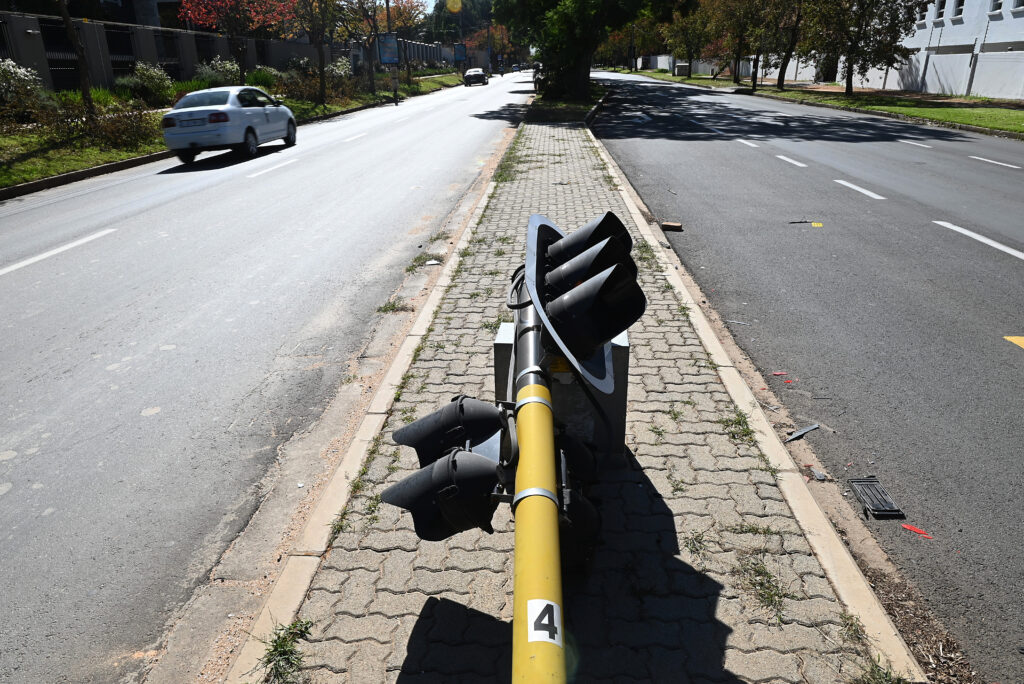
The findings from Genesis Analytics paint a troubling picture of Johannesburg’s governance and operational effectiveness. Over the last ten years, the city has cycled through eight mayors, a sign of the deep political dysfunction that has characterized its leadership. This instability has not only hindered effective governance but has also led to a significant decline in service delivery. Basic amenities that residents rely on, such as water and electricity, are deteriorating, and criminal syndicates have become increasingly entrenched within the community.
One of the most striking revelations from the research is the city’s financial mismanagement. Despite having one of the highest per capita expenditures on services—R18,200 per resident annually—Johannesburg fails to translate this spending into effective service delivery. In fact, it possesses the highest number of municipal employees per 1,000 residents when compared to other metropolitan areas. Yet, astonishingly, the city loses more water through leaks and theft than its counterpart, Cape Town, sells in total. Additionally, Johannesburg fails to recover payment for 21% of the electricity purchased from Eskom, predominantly due to illegal connections and meter tampering.
The implications of these findings cannot be understated. As Johannesburg struggles, the entire South African economy feels the impact. Organised business groups have recognized the urgency of the situation, urging collaboration between the private sector and government to address the ongoing crisis. Past collaborations have shown that when business and government align their efforts, substantial improvements can occur, notably in areas such as electricity stability and logistics.
However, the path forward is fraught with challenges. To effectively tackle the issues plaguing Johannesburg, there needs to be a reliable and dedicated partner in the public sector—one that is not mired in corruption or resistant to reform. The silence from city leadership in response to outreach from business leaders underscores the difficulty in establishing a productive partnership. Without capable politicians and officials committed to enacting meaningful change, the prospects for improvement remain bleak.
Key takeaways from the current situation in Johannesburg include the following:
1. **Economic Importance**: Johannesburg is not just a city; it is a vital economic powerhouse for South Africa. Its struggles have national implications.
2. **Governance Issues**: Political instability has severely hindered effective governance, leading to a collapse in essential services.
3. **Financial Mismanagement**: High expenditure does not equate to effective service delivery, highlighting a critical issue of mismanagement.
4. **Need for Collaboration**: A successful turnaround requires collaboration between the business community and government, which is currently lacking.
5. **Call for Leadership**: There is a pressing need for capable and committed leaders who can initiate and sustain the necessary reforms.
For traders and investors watching Johannesburg’s economic landscape, the implications are clear. The financial health of the city directly influences market conditions and investor confidence in South Africa as a whole. Investment strategies should consider the potential risks associated with ongoing governance issues and the urgent need for reform.
In conclusion, Johannesburg stands at a crossroads. The city’s challenges are significant, but so too are the opportunities for regeneration and growth if the right partnerships can be forged. It is essential for both the public and private sectors to come together, acknowledging the critical role Johannesburg plays in the national economy. Only through collective action and commitment to reform can the city hope to reclaim its status as a vibrant economic hub, ensuring that it remains a key asset for South Africa’s future prosperity.