
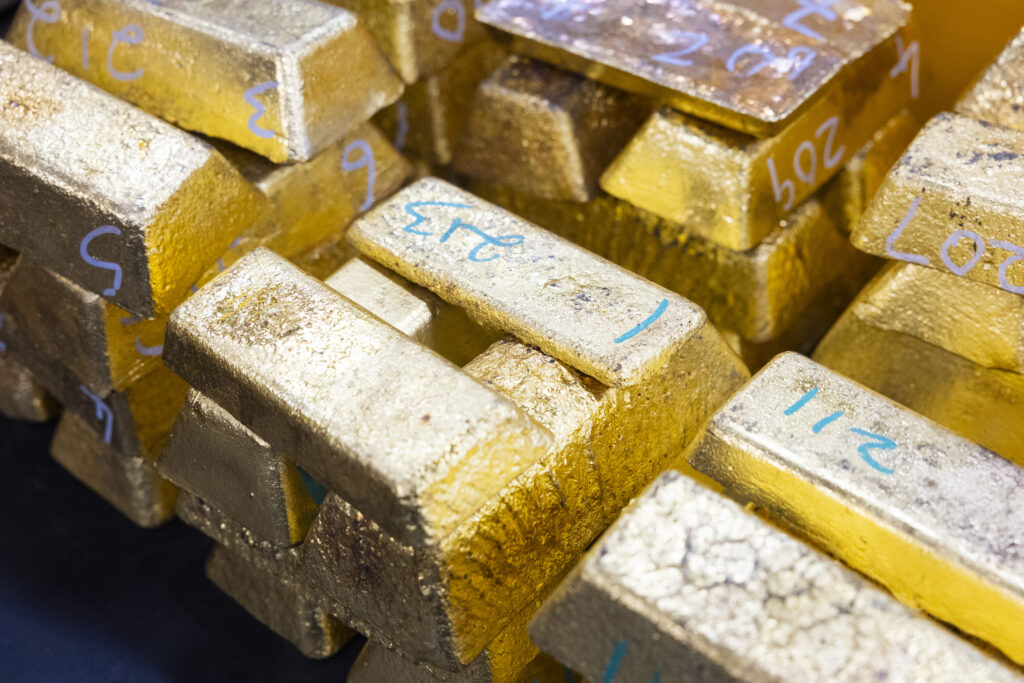
As the global financial landscape continues to evolve, the interplay between precious metals and geopolitical events remains a focal point for traders and investors alike. Recently, gold prices have experienced significant fluctuations, particularly as tensions between the United States and Iran have escalated. This dynamic has raised questions about the stability of gold as a safe-haven asset and how investors should navigate these turbulent waters.
Gold has long been regarded as a reliable store of value, particularly during times of uncertainty. However, recent events have put this perception to the test. Following a series of confrontations in the Persian Gulf, gold prices fell to just under $4,000 an ounce. This decline came on the heels of a modest recovery that saw prices rise more than 2% in prior trading sessions. The volatility in gold prices is closely tied to the broader implications of geopolitical tensions, especially in regions critical to global energy supplies.
The latest round of hostilities began when a Qatari oil tanker was targeted during a series of retaliatory strikes between the U.S. and Iran. These developments have raised alarms about the security of shipping routes through the Strait of Hormuz, a vital chokepoint for the transportation of crude oil. In the immediate aftermath, crude oil prices surged, reflecting heightened concerns about supply disruptions. However, a tentative ceasefire agreement between the two nations has tempered these fears, allowing oil prices to stabilize somewhat.
Despite the ongoing geopolitical strife, gold has remained resilient, holding above the $4,000 mark. Analyst Justin Lin from Global X ETFs Australia noted that this resilience suggests that “marginal dip buyers have returned” to support the asset at this level. This behavior indicates a shift in market sentiment, as investors appear willing to defend their positions in gold even amidst rising tensions in the Middle East.
The backdrop of these events is also influenced by recent U.S. inflation data, which, while still high, fell within the bounds of analyst expectations. This information has significant implications for monetary policy, as rising energy prices can lead to increased consumer prices, thereby affecting the decisions of central banks regarding interest rates. Higher rates are typically unfavorable for non-yielding assets like gold, which explains some of the downward pressure on prices in recent months. Since the U.S. and Israel launched strikes on Iran in late February, gold has decreased by approximately 23%.
Key takeaways from this situation include the following:
1. **Geopolitical Events Matter**: Investors should remain vigilant about how international conflicts can influence commodity prices, particularly those of safe-haven assets like gold.
2. **Price Resilience**: The ability of gold to hold above critical price levels despite external pressures indicates strong underlying support from investors.
3. **Inflationary Pressures**: Rising energy costs can have a cascading effect on consumer prices and central bank policies, impacting the attractiveness of gold as an investment.
For traders and investors, the current climate presents both challenges and opportunities. The volatility in gold prices can be harnessed for short-term trading strategies, but those with a longer investment horizon may view this as an opportunity to accumulate positions in gold at lower prices. As geopolitical tensions persist, the demand for gold as a hedge against uncertainty is likely to remain strong.
Additionally, it is important to consider diversifying investments across different asset classes. While gold can provide stability, other commodities, stocks, and bonds may present more favorable returns during periods of economic recovery.
In conclusion, the interplay between gold prices and geopolitical tensions is a critical narrative for investors to monitor. As the situation in the Middle East continues to evolve, so too will the implications for precious metals and broader financial markets. Engaging with these dynamics thoughtfully can help investors make informed decisions, whether they are looking to protect their portfolios or capitalize on emerging opportunities. As always, conducting thorough research and maintaining a diversified investment strategy is key to navigating these complex financial landscapes.