
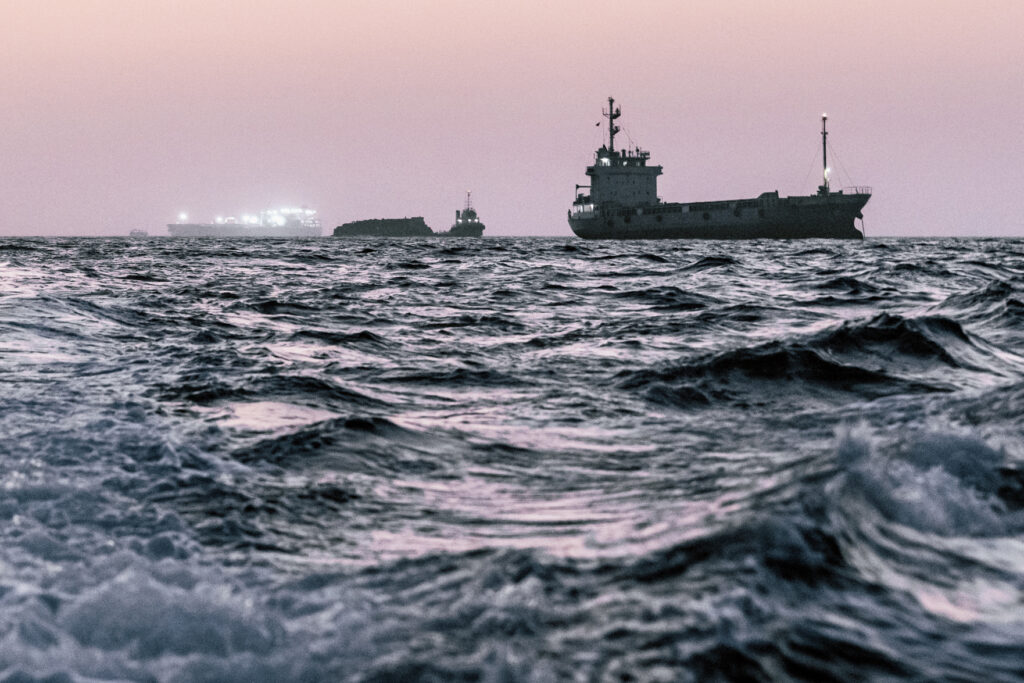
The Strait of Hormuz, a critical maritime passage, has recently been the center of attention due to rising tensions and security threats that have raised questions about the safety of commercial shipping in the region. Following a series of attacks on vessels, the maritime community is now grappling with the implications for global trade and energy markets, as well as the potential for continued disruption and instability in this pivotal chokepoint.
The Strait of Hormuz is not only one of the world’s most strategically important waterways but also a vital artery for the transportation of oil and gas. Approximately 20% of the world’s petroleum passes through this narrow passage, making it a focal point for international shipping. However, recent events have cast a shadow over its safety, prompting shipowners to reassess their willingness to navigate these waters.
In the wake of recent attacks on commercial vessels, including a laden supertanker, traffic through the Strait has decreased compared to earlier periods. Nevertheless, the number of transits remains higher than during the height of tensions in the US-Iran conflict, which suggests a cautious optimism among some shipowners. Data indicates that several vessels, including very large crude carriers (VLCCs) and container ships, have continued to make their way through the Strait, albeit often without cargoes. This trend reflects a complex interplay of risk assessment and strategic decision-making among shipping companies.
Key to understanding the current situation is the agreement reached earlier this month between the United States and Iran to pursue a temporary peace plan aimed at reopening the Strait. This fragile truce has allowed some vessels to tentatively resume operations, creating a glimmer of hope for normalizing supply chains that have faced significant disruptions. However, the recent tit-for-tat attacks between the two nations underscore the volatility of the situation and the need for ongoing vigilance.
The Joint Maritime Information Center, which facilitates communication between navies and commercial shipping, has recently elevated its threat level in the region to “substantial.” This heightened state of alert has created a mixed environment for shipowners, with many expressing concerns about the risks of traversing the Strait. Some vessels that previously attempted to navigate the waterway have since abandoned their crossings, while others have paused their exit plans altogether.
Despite the uncertainty, there is noteworthy activity that could bode well for energy traders and producers in the region. The influx of vessels into the Persian Gulf is crucial for energy suppliers looking to ramp up production after months of inactivity. The ability to send empty vessels into the Gulf for loading is essential for the resumption of operations, as energy producers prepare to re-enter the market.
For traders and investors, the developments in the Strait of Hormuz serve as an important indicator of broader market dynamics. The flow of vessels—both laden and empty—can impact oil prices and supply chain reliability. Observing the patterns of shipping traffic and the reactions of shipowners can provide valuable insights into the underlying market sentiment regarding geopolitical risks and energy supply conditions.
As the situation evolves, it is crucial for market participants to remain alert to changes in the geopolitical landscape. Any escalation in hostilities could further disrupt shipping activities, complicating the efforts of energy producers to stabilize their operations. Conversely, a sustained period of calm could lead to increased confidence among shipowners and a return to more robust shipping activity through the Strait.
In conclusion, the Strait of Hormuz remains a critical point of interest for global traders and investors as they navigate the complex interplay of geopolitical tensions and market dynamics. While recent agreements between the US and Iran have provided a temporary reprieve, the threat of renewed conflict looms large. As the maritime community continues to monitor developments, the flow of vessels through this vital chokepoint will be a key barometer of both regional stability and global economic health. Understanding these dynamics will be essential for making informed decisions in a landscape marked by uncertainty and risk.