
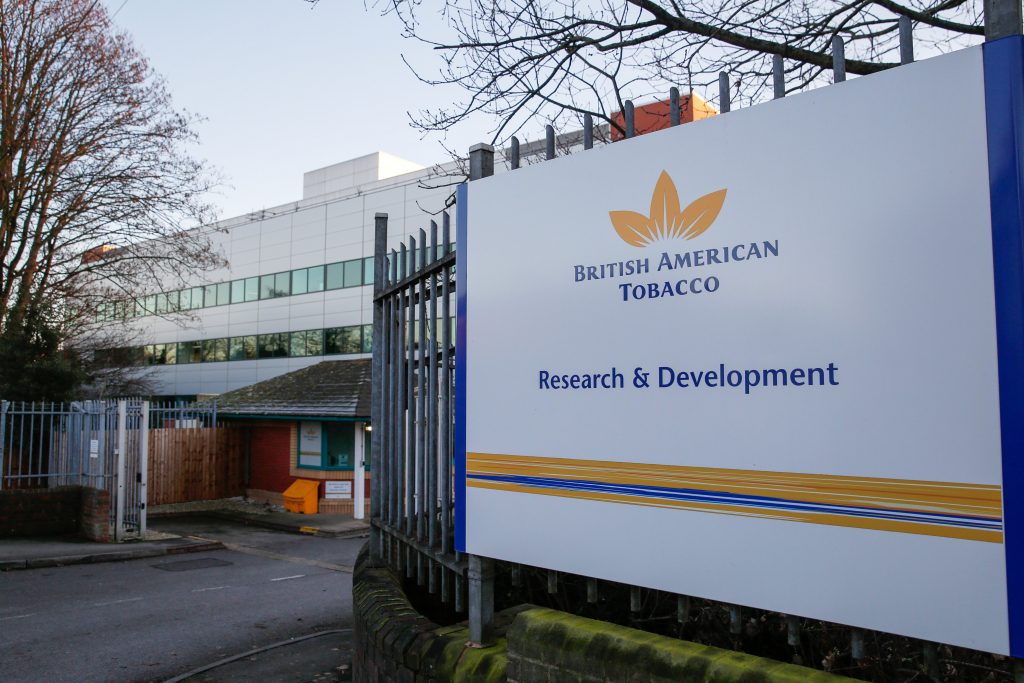
In a significant move reflecting the changing landscape of the tobacco industry, British American Tobacco Plc (BAT) has announced a major restructuring initiative, which includes a reduction of its global workforce by approximately 20%. With this decision, the company aims to streamline operations and cut costs amid declining demand for traditional cigarettes. This blog post will explore the implications of BAT’s workforce reduction, its strategic objectives, and what investors and traders should take away from this development.
British American Tobacco, known for its iconic brands like Dunhill, is undergoing a transformative phase aimed at adapting to the realities of a market increasingly favoring smoke-free alternatives. The company plans to eliminate around 5,500 jobs and outsource an additional 3,500 roles by the end of this year, as revealed in an internal communication. Notably, these figures do not encompass BAT’s operations in the United States, which are managed through its subsidiary Reynolds American. The restructuring will impact many of the other markets where BAT operates, with a comprehensive update on job cuts expected soon.
The impetus behind this extensive restructuring stems from BAT’s commitment to achieving £600 million (approximately $793 million) in annual cost savings by 2028. The company has come under pressure as traditional cigarette sales decline, a trend exacerbated by a growing consumer shift towards healthier alternatives such as e-cigarettes and nicotine pouches. This shift in consumer preference is not unique to BAT; its competitor, Philip Morris International, is also pivoting towards smoke-free products, aiming for more than half of its revenue to derive from this segment.
As BAT adapts to these market changes, it is closing down traditional cigarette manufacturing facilities. Earlier this year, the company announced the closure of its eighth largest cigarette factory located in South Africa, a move attributed to the increasing competition from illicit tobacco trade. Additionally, BAT has forecasted a 2% decline in global cigarette industry volumes by 2026, indicating a long-term downward trend in traditional tobacco consumption.
Investors should note that BAT’s interim Chief Financial Officer, Javed Iqbal, has indicated that advancements in artificial intelligence and data analytics will also play a role in influencing staffing levels in the future. This technological integration is part of a broader strategy to enhance operational efficiency, which is essential in a market where margins are tightening.
One of the key aspects of BAT’s restructuring is its partnership with Accenture to outsource several business functions, including service centers that typically account for a substantial portion of the workforce. This move has resulted in the transition of certain roles to various global locations, including the UK, Singapore, Costa Rica, Mexico, Poland, Romania, and Malaysia. Moreover, some positions in Pakistan have been outsourced to a local technology firm, highlighting BAT’s strategy to leverage local expertise while reducing operational costs.
Amid the challenges posed by these changes, BAT’s Chief Executive Officer, Tadeu Marroco, emphasized the company’s commitment to supporting affected employees during this transition. The restructuring not only aims to position BAT for future growth but also seeks to do so with a focus on care and respect for its workforce.
For traders and investors, BAT’s challenges present both risks and opportunities. While the immediate reaction to the news involved a slight decline in the company’s stock price—falling by as much as 1.9%—the broader context of the restructuring could lead to long-term value creation. Investors should consider the potential for improved operational efficiencies and the company’s strategic pivot towards smoke-free products, which could yield significant returns as consumer preferences continue to evolve.
In conclusion, British American Tobacco’s workforce reduction and restructuring initiative signify a crucial turning point for the company as it seeks to navigate the declining demand for traditional tobacco products. As BAT embraces a future focused on smoke-free alternatives, the implications of these changes will resonate throughout the industry. For investors, understanding the dynamics of this transformation will be essential in assessing BAT’s potential for growth and sustainability in an increasingly competitive market.