
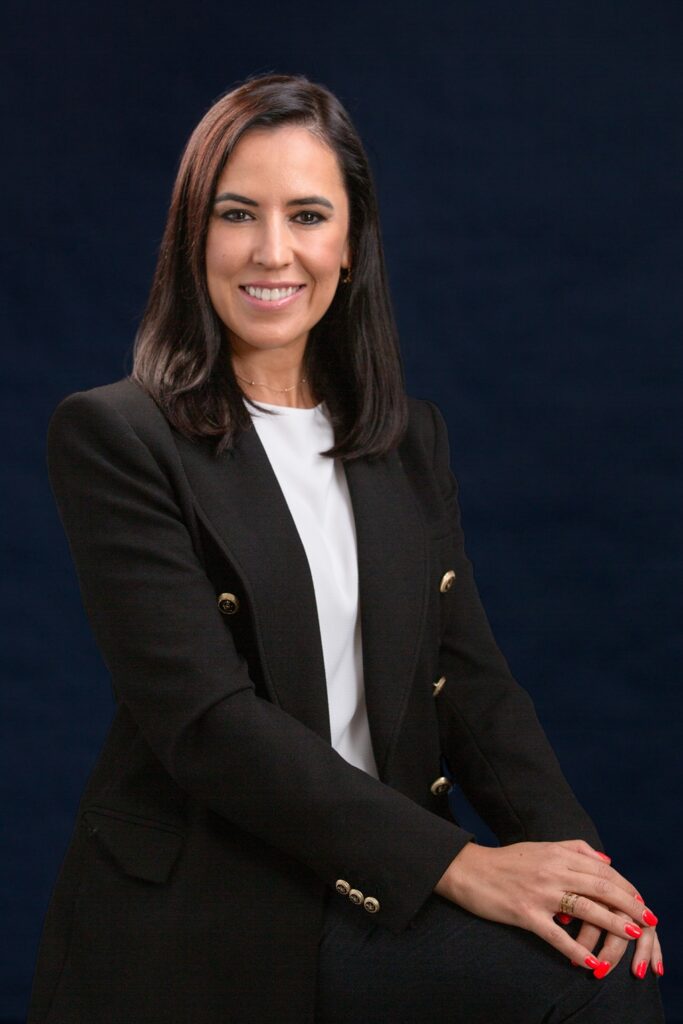
In a notable shift within its South African operations, Deutsche Bank has made significant changes to its senior leadership team, a move that signals its commitment to strengthening governance and expanding its corporate and investment banking presence in the region. By appointing seasoned macroeconomic expert Danelee Masia as Chief Country Officer (CCO) for South Africa, the bank is strategically positioning itself to leverage economic insights in navigating the complex regulatory landscape and enhancing client relationships. This decision, announced on June 29, 2026, reflects the broader trend among international financial institutions to localize their operations while maintaining high standards of governance.
Danelee Masia, who has been with Deutsche Bank since 2010, brings over a decade of experience in analyzing sub-Saharan African markets to her new role. Her extensive background as a senior economist will not only guide the bank’s operations in South Africa but also enable her to retain her responsibilities leading the Ceemea Economics team. This dual role underscores the importance of macroeconomic analysis in shaping the bank’s strategy and operations in a region that is often characterized by volatility and regulatory challenges.
Deutsche Bank’s decision to appoint Masia as the senior representative in South Africa is a clear indication of its intent to deepen its engagement with clients, regulators, and other key stakeholders. By focusing on strong governance standards and enhancing client coverage, the bank aims to bolster its position in the competitive landscape of corporate and investment banking. This approach is particularly relevant in a market where understanding local economic dynamics is crucial for successful transactions and long-term relationships.
Additionally, Deutsche Bank has made two other significant appointments to support its strategic goals. Neeran Govender has been named head of Institutional Client Group (ICG) Coverage and Global Emerging Markets (GEM) Sales for South Africa, while Stephen Nyakudarika has taken on the role of head of Investment Banking and Capital Markets (IBCM). Govender’s expertise in client engagement and market dynamics will be vital as the bank seeks to expand its client base. Nyakudarika’s leadership in overseeing sovereign financing and corporate advisory transactions will be critical in navigating the complexities of the investment banking sector.
Key takeaways from this leadership overhaul point to a concerted effort by Deutsche Bank to adapt to the changing financial landscape in South Africa. The emphasis on macroeconomic insights signifies a proactive approach to managing transactional risks and regulatory complexities. With seasoned leaders at the helm, the bank is well-positioned to foster stronger relationships with clients and stakeholders, ultimately enhancing its competitive edge in the region.
For traders and investors, the implications of these changes are profound. The appointment of experienced professionals like Masia, Govender, and Nyakudarika suggests that Deutsche Bank is focused on not just compliance, but also on delivering value through informed decision-making. Investors should pay close attention to how these leadership changes influence the bank’s performance and client interactions, especially in an environment where economic conditions can shift rapidly.
Furthermore, the strategic alignment of Deutsche Bank’s leadership team with local market conditions could signal new opportunities for investment, particularly in sectors that are poised for growth in the South African economy. Traders may find that understanding the macroeconomic landscape, as guided by Masia’s insights, could yield advantageous positions in the market.
In conclusion, Deutsche Bank’s leadership reshuffle in South Africa represents a calculated move to enhance governance and client engagement while adapting to the unique challenges of the local market. As the bank integrates macroeconomic insights into its strategic framework, stakeholders can expect a more robust approach to managing risks and capitalizing on opportunities. For investors and traders alike, staying informed about these developments will be crucial in navigating the evolving landscape of investment banking in South Africa. The future of Deutsche Bank in the region looks promising, driven by a leadership team that is not only experienced but also deeply attuned to the macroeconomic factors that will shape its success.