
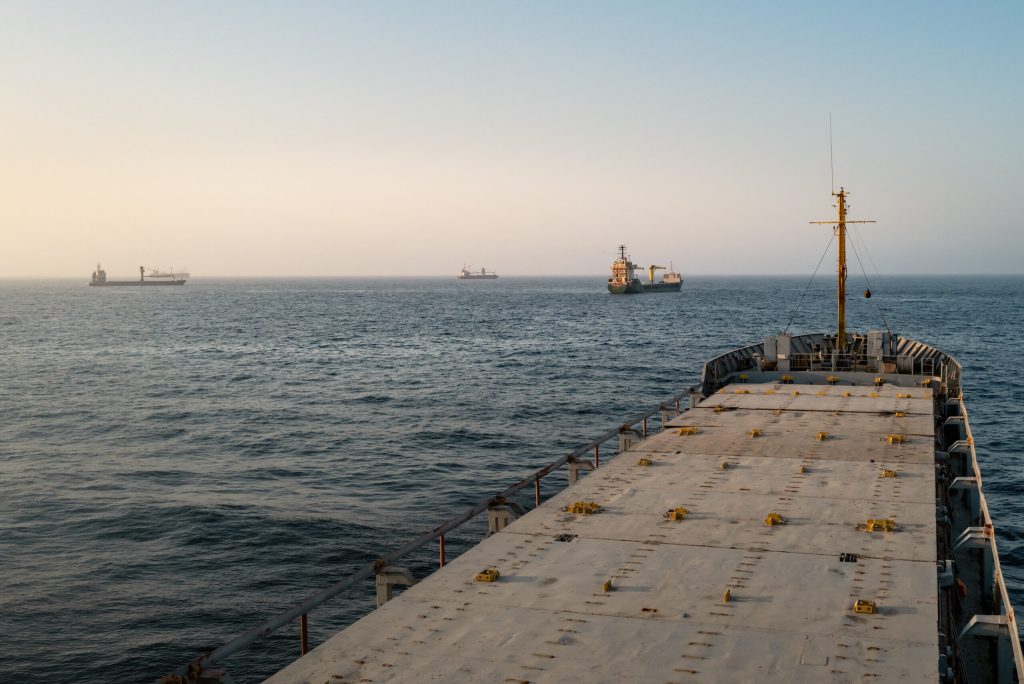
The Strait of Hormuz, a critical maritime passage for global oil transport, has witnessed a notable uptick in vessel traffic following a series of recent tensions involving Iranian attacks on vessels in the area. This resurgence in activity reflects a complex interplay of geopolitical dynamics, market confidence, and the resilience of shipping operators. As traders and investors closely monitor these developments, understanding the significance of this increase in traffic is essential for grasping the broader implications for global oil supply and prices.
The Strait of Hormuz, which connects the Persian Gulf to the Gulf of Oman, is one of the most strategically important waterways in the world. Approximately one-fifth of the world’s oil consumption passes through this narrow passage, making it a focal point of international trade and energy security. Recent events, including attacks on commercial vessels by Iran, had initially led to a decline in traffic as shipowners assessed the risks involved in navigating the strait. However, the situation has taken a turn, with a reported 24 commodity ships—including oil and liquefied natural gas tankers, as well as bulk carriers—transiting the strait in both directions on a recent Monday.
This increase in maritime activity indicates a renewed confidence among shipowners and operators. The data from Kpler reveals that private companies have begun to dominate the shipping lanes to the Persian Gulf, as evidenced by the presence of a Saudi Arabian-flagged supertanker that recently re-entered the gulf after temporarily shutting off its transponder. Such maneuvers speak to the cautious optimism that is beginning to permeate the maritime shipping industry.
The vessels traversing the Strait of Hormuz have the capacity to transport up to 9 million barrels of crude oil, which underscores the importance of these movements not just for regional producers but also for the global market. With the geopolitical landscape shifting, shipowners have begun to weigh the risks against the potential rewards of operating in this volatile region. The recent U.S. military strikes on Iranian positions following the attacks on ships have further complicated the scenario but have not deterred the flow of tankers.
As tensions began to ease, both Iran and the U.S. have signaled a willingness to halt hostilities ahead of scheduled peace talks, which may provide a more stable environment for maritime operations in the region. This development is crucial for traders and investors who are keeping a close watch on the situation, as the ability of regional producers to restart output hinges on secure shipping routes.
Among the tankers that have recently entered the Persian Gulf are three supertankers operated by South Korea’s Sinokor. Notably, these vessels entered the gulf empty while openly signaling their movements along Oman’s coast. This level of transparency is a departure from previous practices, where vessels often operated with their transponders turned off in an effort to avoid detection and potential threats. Additionally, a Marshall Islands-flagged Suezmax tanker owned by a Greek operator has also been tracked moving within the gulf, suggesting a concerted effort among operators to signal their locations and mitigate risks.
The return of the Nisalah, a very large crude tanker managed by the National Shipping Company of Saudi Arabia, is another significant development. Currently stationed off Ras Tanura, home to Saudi Arabia’s largest oil refinery, the vessel’s presence indicates a potential increase in crude oil shipments from the region, further bolstering the outlook for oil supply.
For traders and investors, the implications of these developments cannot be understated. The increase in traffic through the Strait of Hormuz may signal a return to normalcy in oil shipping, which could stabilize prices that have been volatile in the wake of geopolitical tensions. Recent data indicated a slight decline in Brent crude prices, falling to $73.39 per barrel, but analysts suggest that sustained shipping activity could support price recovery as confidence in the region’s stability grows.
In conclusion, the resurgence of shipping traffic through the Strait of Hormuz is a critical development that reflects both the resilience of the shipping industry and the complex nature of geopolitical tensions in the region. As stakeholders navigate these turbulent waters, the ability to maintain secure shipping routes will be pivotal for regional oil producers and global energy markets alike. For traders and investors, staying informed and adaptable in the face of evolving circumstances will be key to navigating the potential risks and opportunities that lie ahead.