
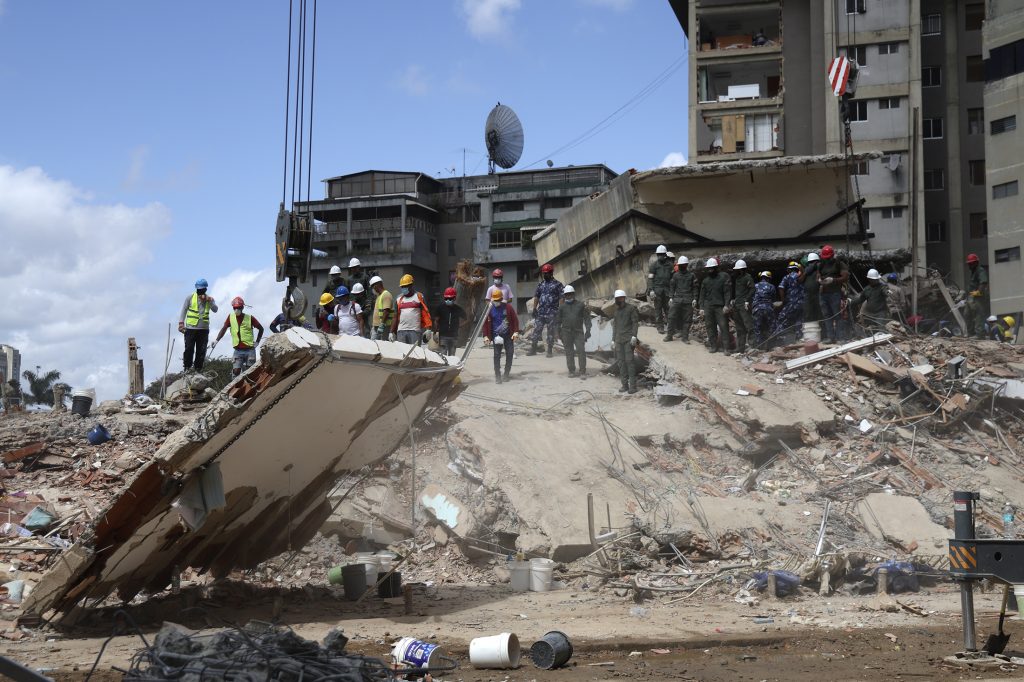
In June 2023, Venezuela faced a catastrophic disaster when twin earthquakes struck the nation, claiming the lives of over 1,700 individuals and leaving thousands injured and displaced. National Assembly head Jorge Rodríguez provided an update on the unfolding tragedy, revealing that emergency services are overwhelmed and that the government is racing to provide aid to those affected. This calamity not only highlights the urgent humanitarian crisis in Venezuela but also poses significant challenges for the current government as it navigates the aftermath of a disaster exacerbated by years of economic turmoil and international sanctions.
The earthquakes, which struck on June 24, have had devastating effects on the population. With 22,619 people reported injured and approximately 15,866 left homeless, the scale of the disaster is staggering. In response, the Venezuelan government has mobilized resources to establish emergency shelters, with 15 large facilities set up in the coastal state of La Guaira and an additional 50 in the Caracas metropolitan area. Rodríguez expressed heartfelt gratitude for the international support received, emphasizing that aid transcends national boundaries. He remarked, “We make no distinction regarding which country anyone comes from. All are our brothers and sisters,” a sentiment that resonates deeply in times of crisis.
As rescue operations continue, the complexity of the situation is evident. With over 3,319 foreign rescue workers and 45 international delegations on the ground, the effort to locate survivors and provide aid is a monumental task. Despite the challenges, rescue teams are still managing to extract individuals from the rubble, an encouraging sign even beyond the critical 72-hour window typically associated with search and rescue missions. Gianluca Rampolla del Tindaro, the United Nations Humanitarian Coordinator for Venezuela, has emphasized the importance of ongoing emergency care and the provision of shelter.
However, the Venezuelan government’s capacity to manage such an extensive crisis has come under scrutiny. Years of economic mismanagement and the impact of sanctions have severely limited the nation’s resources. Reports indicate that the government has been criticized for its lack of transparency regarding victim information and the overall state of rescue efforts. As a result, many families have turned to social media platforms like WhatsApp to locate missing persons, underscoring a breakdown in communication and trust between the government and its citizens.
In light of this crisis, the government is reportedly in discussions with international experts to develop both immediate and long-term housing solutions for the displaced population. Rodríguez has stated that thousands of housing solutions are in the planning stages, with the aim of implementation before the year’s end. This response is not only a matter of humanitarian need but also a significant political test for the current administration, which has been striving to distance itself from the legacy of Nicolás Maduro’s unpopular regime.
Key takeaways from this situation include the urgent need for adequate disaster preparedness and response strategies in nations prone to natural calamities. The events in Venezuela serve as a reminder of how critical it is for governments to establish robust emergency management systems, particularly in regions already facing economic and social challenges. Furthermore, the importance of international cooperation in providing humanitarian aid cannot be overstated, as seen by the quick mobilization of resources from various countries and organizations.
For traders and investors, the situation in Venezuela presents a complex landscape. The humanitarian crisis could exacerbate the existing economic instability, potentially leading to further sanctions and restrictions. Investors should remain cautious, as the political ramifications of the government’s response to this disaster will undoubtedly influence market conditions. Additionally, sectors such as construction and housing may see increased activity as the government seeks to rebuild and provide housing solutions, presenting potential opportunities for those willing to navigate the risks.
In conclusion, Venezuela’s recent earthquakes have not only caused immediate human suffering but have also posed significant challenges for the government. The effectiveness of the response will be closely monitored, as it could determine the political landscape in the coming months. As the nation grapples with this crisis, the resilience of its people and the ability of its leaders to manage the aftermath will be put to the ultimate test. The world watches closely, hoping for recovery and a renewed commitment to rebuilding a more stable and transparent Venezuela.