
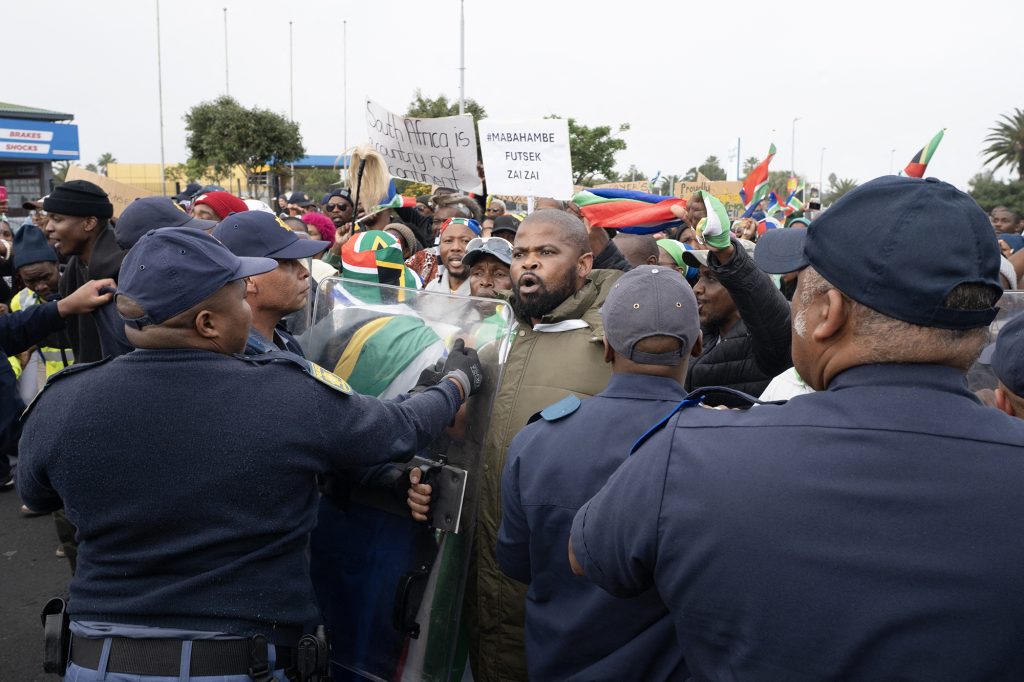
In recent weeks, South Africa has seen a resurgence of anti-migrant sentiment resulting in protests across various cities such as Johannesburg, Durban, and Cape Town. These demonstrations, organized by a group called March and March, have raised significant concerns not only about social cohesion but also about the potential economic ramifications for the nation. As South Africa grapples with the complexities of immigration, it becomes imperative to analyze the broader impact of these protests on the country’s economy and society.
The protests are fueled by a growing discontent among certain segments of the population, who believe that undocumented migrants are taking jobs and resources away from South African citizens. This narrative, while contentious, is not new. It echoes sentiments from previous years, particularly during times of economic strain when job opportunities are scarce. The current demonstrations mark a culmination of rising tensions that have displaced thousands of expatriates, predominantly from other African nations, who are now fearful for their safety and livelihoods.
President Cyril Ramaphosa’s administration has taken a proactive stance in response to these protests. Meeting with leaders of the anti-migrant movement, he emphasized the need for peaceful demonstrations while reiterating that the government is the sole authority on immigration laws. This dialogue aims to de-escalate tensions and promote a more orderly approach to addressing migration issues. However, the situation remains precarious, and fears of xenophobic violence, reminiscent of the horrific events of 2008, linger in the air. During that tumultuous time, over 60 lives were lost, and thousands were displaced, leaving a scar on the nation’s social fabric.
The scale of police and security mobilization for these protests is unprecedented. With thousands of officers deployed, including private security personnel, the government is investing heavily—over R600 million (approximately $37 million)—to maintain order. Such expenditures raise questions about the allocation of public funds and whether they could be better spent on social programs or initiatives aimed at fostering integration and mutual understanding among diverse communities.
Key points to consider in this unfolding situation include:
1. **Social Cohesion vs. Economic Stability**: The protests highlight a significant divide in South African society, where economic hardship often breeds resentment towards migrants. This sentiment can lead to a more fragmented society, which in turn may deter foreign investment and economic growth.
2. **Impact on Local Businesses**: With protests potentially disrupting daily operations in major urban centers, local businesses could suffer losses. Street vendors and small enterprises reliant on foot traffic may experience decreased sales, affecting their viability.
3. **Long-term Immigration Policies**: The government’s response and subsequent policy changes may have lasting implications for how South Africa manages immigration. A balanced approach that addresses the concerns of citizens while recognizing the contributions of migrants is crucial.
4. **Public Sentiment and Political Ramifications**: The protests reflect broader public sentiment that politicians may exploit for electoral gain. Leaders must navigate these sentiments carefully to avoid exacerbating divisions.
For traders and investors, the unfolding situation presents both risks and opportunities. Market volatility may increase as protests disrupt daily life, particularly in sectors sensitive to consumer behavior, such as retail and hospitality. Investors should monitor developments closely, as any escalation in violence could lead to a more significant downturn in market confidence. On the other hand, businesses that focus on community engagement and integration may find new opportunities to build goodwill and loyalty, positioning themselves as leaders in social responsibility.
In conclusion, the current anti-migrant protests in South Africa serve as a stark reminder of the intricate relationship between social dynamics and economic health. As the government navigates these turbulent waters, the focus must remain on fostering inclusive dialogue and implementing fair immigration policies that uphold the rule of law while addressing the legitimate concerns of citizens. The future of South Africa’s social cohesion and economic stability may well depend on how these challenges are managed in the coming months. By striving for harmony and understanding, South Africa can emerge stronger from this crisis, ensuring that its diverse population can coexist and contribute positively to the nation’s growth.