
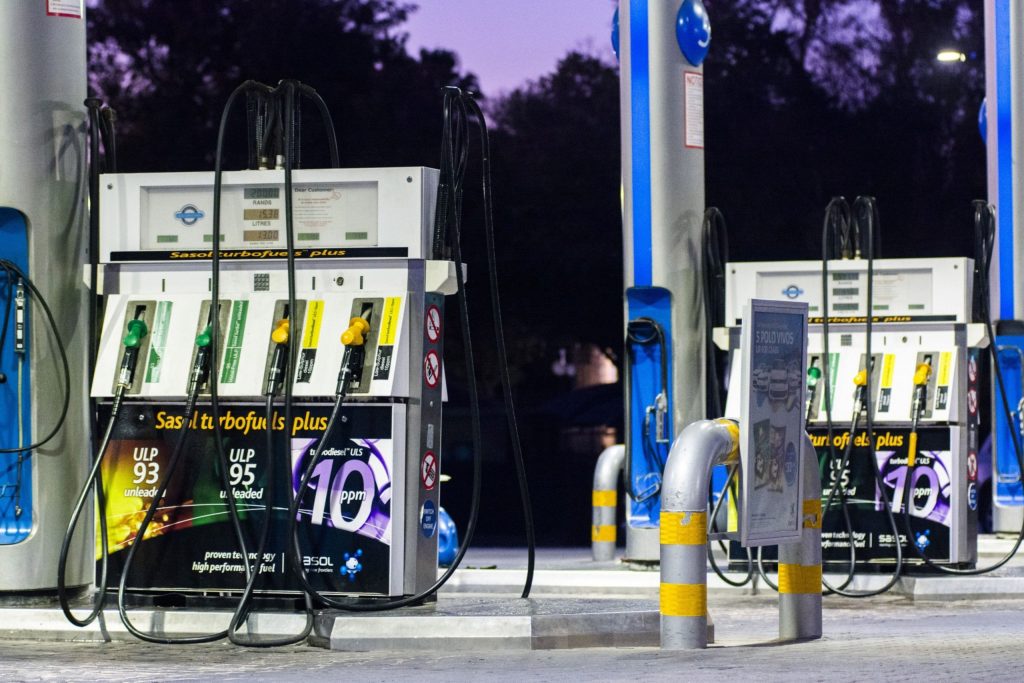
As the world grapples with fluctuating oil prices and geopolitical tensions, South African motorists are finally getting a break at the fuel pump. The Department of Mineral and Petroleum Resources (DMPR) has recently announced a significant reduction in fuel prices effective from July 1, 2026. This development is a welcome relief for many drivers who have felt the financial strain of rising fuel costs in the first half of the year.
The announcement reveals a substantial decrease in the costs of various fuel types, particularly diesel, which has been a significant concern for users over the past months. This blog post delves into the specifics of these adjustments, the factors driving these changes, and what it means for consumers and investors alike.
In July, diesel prices will drop by more than R3 per litre, marking the second consecutive reduction for diesel users. This comes after a period of soaring prices that left many feeling the pinch. Petrol prices are also set to decrease, with 93 octane petrol going down by R2.01 per litre and 95 octane by R1.96 per litre. These cuts are particularly noteworthy, given that just a few months prior, fuel prices reached record highs due to the volatile global oil market, primarily influenced by ongoing conflicts in the Middle East.
One of the primary factors contributing to this price relief is the recent decline in Brent crude oil prices. Following a period of intense pressure, the oil market has shown signs of stabilization, largely due to diplomatic efforts aimed at easing tensions between the United States and Iran. As negotiations continue, there is cautious optimism that further stability may be achieved, which could further benefit fuel prices.
Another critical element in the pricing equation is the strength of the South African rand against the US dollar. In the period leading up to the price adjustments, the rand appreciated slightly, with the average exchange rate falling from R16.51 to R16.37. This strengthening currency plays a vital role in moderating local fuel costs, as South Africa imports a significant portion of its crude oil.
However, it’s essential to note that while many fuel prices are decreasing, there is an increase in the maximum price of LP Gas, which will see an uptick of 16 cents per kilogram, with a slightly higher increase of 19 cents in the Western Cape. This price change reflects the complex nature of the energy market and highlights the need for consumers to remain vigilant about varying fuel types.
Additionally, the announcement comes with the phasing out of short-term fuel levy relief measures. The Minister of Finance, Enoch Godongwana, confirmed that the temporary reduction in the general fuel levy would end in July, reinstating the full rates as outlined in the February budget. This move is expected to contribute approximately R17.2 billion to government revenue, a necessary adjustment as the Treasury seeks to balance its books.
For traders and investors, these developments present a mixed bag of opportunities and challenges. The reduction in fuel prices may lead to increased consumer spending in other areas, potentially boosting economic activity. However, with the reinstatement of the full fuel levy, consumers may see an offset in their overall financial relief, impacting discretionary spending.
Key takeaways from these fuel price adjustments include:
1. Significant reductions in diesel and petrol prices bring welcome relief to South African motorists.
2. The stabilization of Brent crude oil prices and a stronger rand contribute to the decrease in fuel costs.
3. LP Gas prices will increase, highlighting the variability in energy costs.
4. The reinstatement of full fuel levy rates signals a shift in government fiscal policy, impacting consumer spending.
In conclusion, the recent fuel price adjustments in South Africa represent a crucial moment for both consumers and the economy at large. While motorists can breathe a sigh of relief with lower fuel costs, the complexities of the energy market and government policy changes remind us that economic conditions can shift rapidly. For investors, the evolving landscape of fuel prices presents both risks and opportunities that warrant careful consideration. As we move forward, staying informed and adaptable will be key in navigating these changes effectively.