
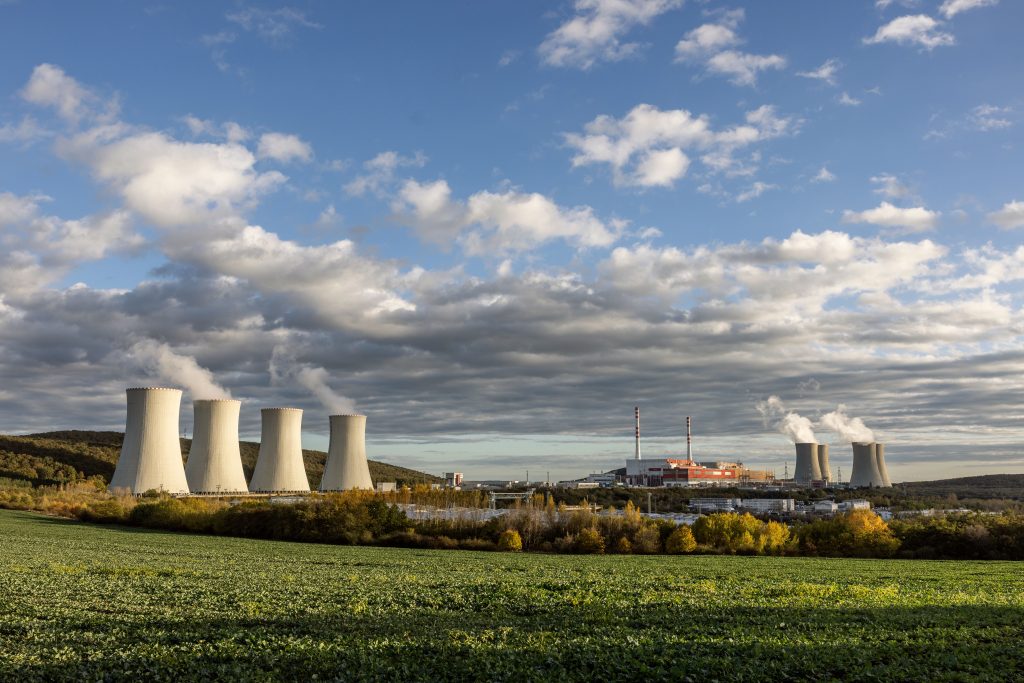
The long journey to power generation at the Mochovce nuclear plant in Slovakia is about to reach a significant milestone. After nearly four decades of construction and challenges, the fourth reactor at this facility is set to commence operations. This development marks not only a pivotal moment for Slovakia but also highlights the European Union’s commitment to enhancing its clean energy portfolio amidst increasing energy demands. As the world grapples with climate change and energy security, the Mochovce plant stands as a testament to the complexities and resilience involved in nuclear energy projects.
The Mochovce nuclear plant, designed during the Soviet era, has garnered attention for its lengthy construction period, which is now one of the longest in the history of nuclear projects. Fuel loading commenced recently, signaling the plant’s readiness to enter commercial operation by the end of summer. This reactor will be the fourth new unit brought online in the EU within a three-year span, underscoring the bloc’s strategic focus on bolstering its nuclear capabilities in the face of rising electricity consumption, driven largely by the growing demand for data centers and electrification across various sectors.
The completion of Mochovce was fraught with obstacles, including funding issues, evolving safety regulations, and instances of subpar workmanship. These challenges reflect a broader trend in the nuclear industry, where projects often take longer and cost more than initially anticipated. However, despite these hurdles, the plant is expected to provide a reliable source of electricity, contributing to the stability of Slovakia’s energy supply. Branislav Strycek, the CEO of Slovenske Elektrarne, the utility managing the plant, emphasized the significance of this development for both Slovakia and the wider Eastern European region.
While the expansion of nuclear energy in Europe comes with the promise of reducing reliance on fossil fuels, it also underscores the ongoing dependence on Russian energy supplies. The reactor at Mochovce will utilize nuclear fuel sourced entirely from Rosatom’s TVEL Fuel Co., which raises questions about energy security and geopolitical dynamics. Even as the EU moves towards a phased reduction of Russian gas imports, the reliance on Russian-sourced nuclear fuel remains a concern. Slovenske Elektrarne has stockpiled enough fuel from TVEL to operate its reactors until 2031, but the utility is actively seeking to diversify its fuel sources.
To this end, partnerships with Westinghouse Electric Co. and France’s Framatome are in the works, with initial deliveries expected by 2028. However, these supplies will initially be linked to a Franco-Russian joint venture, meaning full independence from Russian resources may not materialize for several years. Understanding the energy landscape is critical as Russia currently holds a significant share of the global uranium enrichment capacity, accounting for about 40%. Slovakia has voiced its concerns regarding the European Commission’s proposals to swiftly phase out Russian nuclear fuel, arguing that alternative suppliers may not yet be capable of meeting the demand.
The EU does possess its own uranium enrichment capabilities, and there are discussions about leveraging this capacity should the bloc decide to restrict the use of Russian resources. Strycek has indicated that if the EU were to take such measures, Slovenske Elektrarne could potentially eliminate Russian fuel dependency by 2032. The new VVER-440 reactor at Mochovce is projected to generate approximately 3.5 terawatt-hours of electricity annually, significantly enhancing Slovakia’s nuclear energy output.
Key takeaways from the Mochovce project include the importance of diversifying energy sources and the potential of nuclear power as a stable, low-carbon energy solution. As European nations seek to balance energy security with climate goals, the growing acceptance of nuclear energy could play a pivotal role in achieving these objectives.
For investors and traders, the developments at Mochovce and similar projects across Europe signal a potential shift in the energy market. The growing emphasis on nuclear energy may present investment opportunities, particularly in companies involved in fuel supply, reactor technology, and renewable energy integration. As the energy landscape evolves, understanding the interplay between nuclear and renewable sources will be crucial for making informed investment decisions.
In conclusion, the commissioning of the Mochovce nuclear plant represents a significant advancement for Slovakia and the broader European energy sector. While the project highlights the challenges associated with nuclear energy, it also underscores the potential for this sector to contribute to energy security and sustainability in the face of growing global demands. As the world continues to transition towards cleaner energy sources, the lessons learned from Mochovce will likely resonate throughout the industry for years to come.