
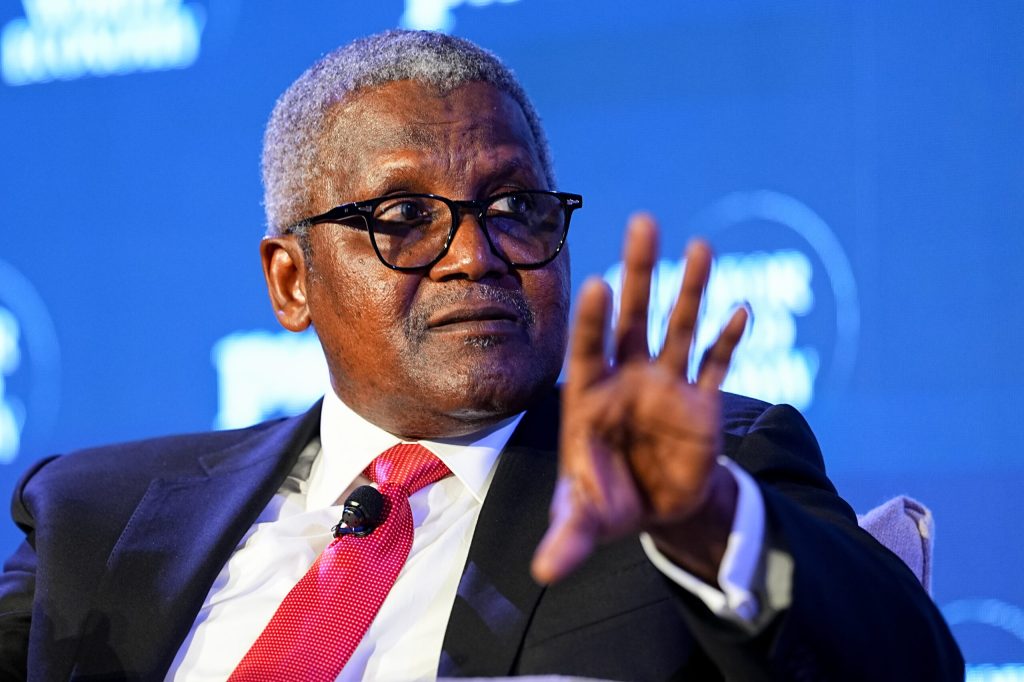
In recent news, Aliko Dangote, recognized as the richest individual in Africa, has initiated discussions with the Tanzanian government about a series of significant infrastructure projects that promise to reshape the economic landscape of the East African nation. This move not only marks a pivotal moment for Tanzania but also highlights Dangote’s relentless pursuit of growth across the continent. As the founder of the Dangote Group, his expansions into various sectors reflect a strategic vision that could redefine how African countries approach industrialization and development.
Dangote’s ambitious plans include a multifaceted investment strategy aimed at enhancing Tanzania’s infrastructure capabilities. After engaging in talks with President Samia Suluhu Hassan, Dangote expressed his eagerness to collaborate with the government to unlock potential areas of mutual benefit. The proposed projects encompass a range of developments, including a major port enhancement initiative and the construction of a substantial 40-kilometer concrete access road designed to support the port’s operational hub.
The port development is particularly crucial for Tanzania, as it could significantly bolster trade and transportation efficiency. With the potential to transform the port into a major logistics center, this investment could attract further business opportunities and improve the overall competitiveness of the East African region. Additionally, the access road will facilitate easier movement of goods and services, thus supporting economic activities in surrounding areas.
Beyond the port infrastructure, Dangote has revealed plans for a comprehensive special trade zone, which is expected to foster industrial growth and attract foreign direct investments. This trade zone could serve as a catalyst for economic diversification in Tanzania, moving beyond traditional sectors and encouraging innovation and technology-driven enterprises. Furthermore, Dangote’s commitment to establishing a 2,000-megawatt coal-fired power plant is a strategic move that addresses one of Africa’s most pressing challenges: energy supply. Reliable energy sources are vital for industries to thrive, and this project could significantly enhance Tanzania’s energy landscape.
In addition to energy projects, the Dangote Group is set to invest in a urea fertilizer production facility, a move that underscores the increasing importance of self-sufficiency in agricultural inputs. The ongoing geopolitical tensions affecting fertilizer supplies from the Middle East have prompted many African nations to seek local solutions, making Dangote’s investment timely and crucial. This fertilizer project could not only stabilize local agriculture but also create jobs and stimulate economic growth in rural areas.
Moreover, the proposed transport infrastructure project linking the port city of Mtwara with Mbamba Bay on Lake Malawi will further enhance regional connectivity. This initiative aligns with broader efforts to improve trade routes within East Africa, which is essential for boosting intra-regional trade and economic collaboration.
Key takeaways from Dangote’s investment strategy include the recognition of infrastructure as a foundational element for economic growth, the importance of energy and agricultural self-sufficiency, and the potential for creating job opportunities through industrialization. These projects illustrate a holistic approach to development, where multiple sectors are interconnected, fostering a sustainable economic ecosystem.
For traders and investors, Dangote’s initiatives provide valuable insights into the evolving landscape of African investment opportunities. As governments increasingly look to local entrepreneurs for economic development, there is a growing demand for private sector involvement in infrastructure and manufacturing. Investors should consider the implications of such developments on regional markets and the potential for long-term gains in sectors driven by enhanced infrastructure.
In conclusion, Aliko Dangote’s discussions with the Tanzanian government represent a significant step forward not just for Tanzania, but for broader economic growth across Africa. His commitment to investing in critical infrastructure projects underscores the urgent need for countries to embrace local solutions to complex challenges. As these initiatives unfold, they will likely serve as a model for other nations seeking to harness the power of private investment for national development. With a projected $40 billion earmarked for expansion across the continent, Dangote’s vision could very well set a precedent for future investments, paving the way for a more prosperous and industrialized Africa.