
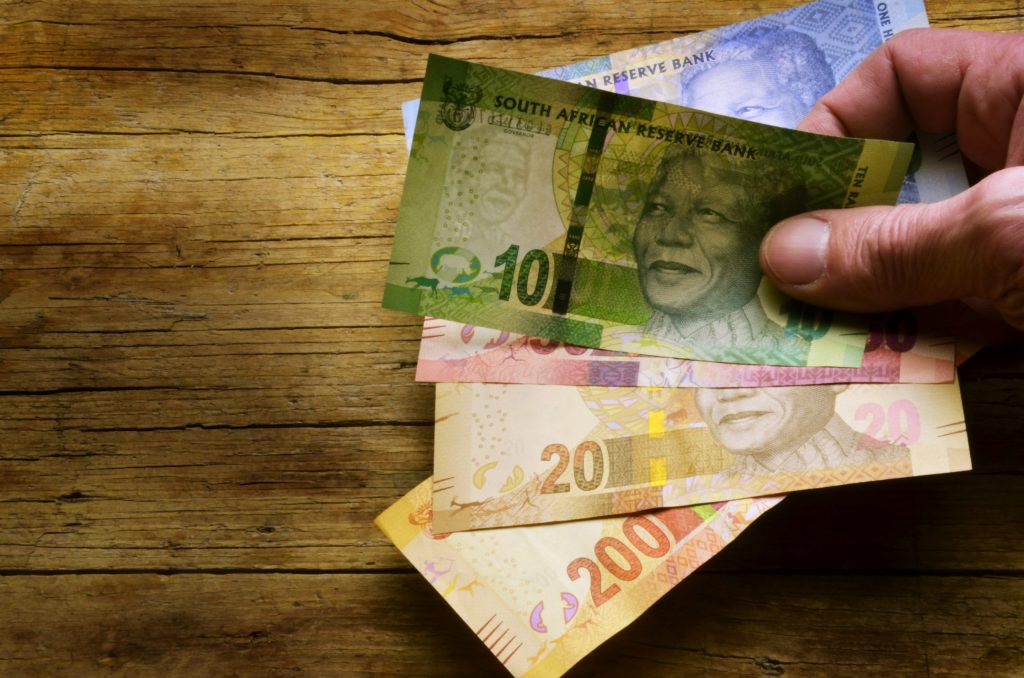
In the complex world of foreign exchange, few currencies serve as a barometer for emerging markets quite like the South African rand. Recent trading activity has underscored this dynamic, with a notable uptick in rand transactions during the first quarter of 2026. This surge correlates with the heightened volatility stemming from geopolitical tensions in the Middle East, particularly the ongoing conflict involving Iran. As investors reacted to these events, the South African Reserve Bank (SARB) reported that average daily turnover for rand trading climbed by approximately 20%. This blog post delves into the factors influencing this increase and what it signifies for traders and investors.
In the first quarter of 2026, currency transactions involving the rand rose dramatically. The SARB noted that total turnover jumped to $13.7 billion, up from $11.4 billion just three months prior. Additionally, trades in third currencies soared to $5.3 billion compared to $4.6 billion in the preceding quarter. This increase reflects a broader trend of heightened trading activity, driven primarily by the volatility associated with the ongoing war in the Middle East. The SARB’s Quarterly Bulletin attributed this spike in activity to the increased participation of various market players, suggesting that traders are strategically positioning themselves in response to fluctuations in the rand’s exchange rate.
The rand’s performance is particularly noteworthy given its status as a proxy for emerging market currencies. As one of the more liquid currencies in the region, the rand allows investors to easily execute trades when looking to gain exposure to other emerging market assets. This liquidity is crucial, especially in times of geopolitical uncertainty, as it provides a level of stability and access that may not be available with other currencies.
The geopolitical landscape has not only influenced trading volumes but has also affected the rand’s exchange rate. Following the initial military actions involving the United States and Israel against Iran on February 28, the rand experienced a decline in value against the US dollar. However, in a surprising turn of events, the currency has managed to regain some strength in the weeks that followed. This recovery is particularly significant given South Africa’s reliance on oil imports, which have been subject to price fluctuations due to the conflict. Despite these challenges, the SARB reported that the real effective exchange rate for the rand increased by 3.5% from March 2025 to March 2026, suggesting a degree of resilience in the face of external pressures.
Key takeaways from this situation include the potential for continued volatility in the rand as geopolitical events unfold. Traders and investors should be aware of the factors that influence currency movements, particularly in relation to emerging markets where the implications of global events can be pronounced. The increase in trading volume reflects a market that is actively seeking to capitalize on opportunities arising from these shifts.
For traders and investors, understanding the intricacies of the rand and its correlation with broader economic indicators can provide valuable insights. The current geopolitical climate underscores the importance of being agile and responsive to changes in market sentiment. Those looking to trade the rand should consider not only the immediate effects of geopolitical tensions but also the long-term implications for South Africa’s economy and the broader emerging market landscape.
In conclusion, the surge in rand trading activity during the first quarter of 2026 highlights the currency’s vital role as a conduit for emerging market investment. As geopolitical tensions continue to shape the global landscape, traders and investors must remain vigilant and adaptable. The rand’s recent fluctuations serve as a reminder of the interconnectedness of global events and the markets, reinforcing the need for informed trading strategies that can accommodate the unpredictable nature of foreign exchange. As the situation in the Middle East evolves, so too will the opportunities and challenges for those engaged in the dynamic world of currency trading.