
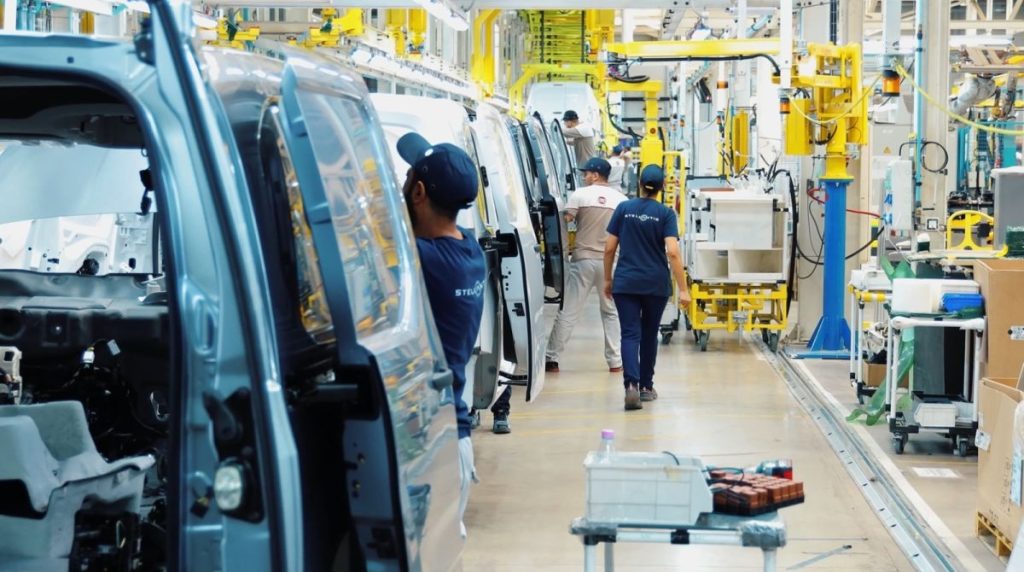
In the fast-evolving automotive industry, companies must remain adaptable to survive and thrive. Stellantis, the multinational automotive giant, is currently weighing its options regarding a planned R3 billion greenfields automotive plant in Coega, located in the Eastern Cape of South Africa. The decision, expected to be made in the coming months, could have significant implications for the local economy and the automotive landscape in the region. As Stellantis navigates market fluctuations and examines its strategic direction, stakeholders are keenly watching how this story unfolds.
Stellantis initially announced its intentions to establish the Coega plant in 2023, with the goal of producing a new pickup model. However, the company has recently put these plans on hold, indicating that it is not abandoning the project but rather reassessing its feasibility in light of shifting market dynamics. Mike Whitfield, the Managing Director of Stellantis South Africa, stated that this evaluation process is crucial as the company seeks to adapt to the rising competition from Asian manufacturers and the growing consumer demand for more affordable vehicles priced below R400,000.
The automotive sector in South Africa is undergoing a transformative phase, driven by various factors such as changes in consumer preferences and the competitive landscape. Whitfield emphasized the importance of this reassessment, particularly regarding the Automotive Production and Development Programme (APDP), which governs the automotive manufacturing sector in South Africa. The company is currently engaged in discussions with the government to explore potential modifications to the APDP, aiming to create a supportive environment for local manufacturers.
A critical point raised by Whitfield is the need for the South African automotive industry to pivot from protectionist measures to fostering local manufacturing capabilities. He argued that increasing protectionism would not effectively address the challenges faced by domestic manufacturers. Instead, the industry must focus on enhancing efficiency and capitalizing on opportunities presented by the African Continental Free Trade Agreement (AfCFTA). Whitfield noted that for the automotive sector to regain its footing, it should strive for a scenario where 60% of vehicles sold in South Africa and sub-Saharan Africa are produced within the region.
Despite the pause in progress, Stellantis remains committed to the long-term vision of the Coega facility. The initial plan for a pickup-only plant is being reevaluated, with discussions underway to potentially diversify the production line to include multiple vehicle models. This strategic pivot reflects Stellantis’s commitment to ensuring that the new plant is not only viable but also sustainable in the long run. Whitfield expressed optimism that within the next few months, the company would have clearer insights into the next steps for the Coega project.
Key takeaways from this situation highlight the importance of adaptability in the automotive industry, especially in emerging markets like South Africa. As consumer preferences shift towards more affordable vehicles, manufacturers must be prepared to adjust their strategies accordingly. The discussions surrounding the APDP and the broader regulatory landscape will play a crucial role in shaping the future of local automotive production. Furthermore, the emphasis on local manufacturing capabilities is a reminder of the potential benefits of regional trade agreements in fostering industrial growth.
For traders and investors, the developments surrounding Stellantis’s Coega plant offer valuable insights into the automotive sector’s future in South Africa. The company’s willingness to engage with the government and explore opportunities for diversification indicates a proactive approach in a challenging market. Investors should keep an eye on how Stellantis navigates these discussions and the broader implications for the automotive landscape in the region.
In conclusion, Stellantis’s contemplation of its Coega plant project epitomizes the dynamic nature of the automotive industry, particularly in emerging markets. As the company reassesses its plans and engages with government stakeholders, the outcome will undoubtedly impact not only Stellantis but also the local economy and the automotive sector as a whole. The path forward will require innovative thinking, collaboration, and a commitment to building a sustainable manufacturing future that meets the needs of consumers while bolstering regional economic growth.