
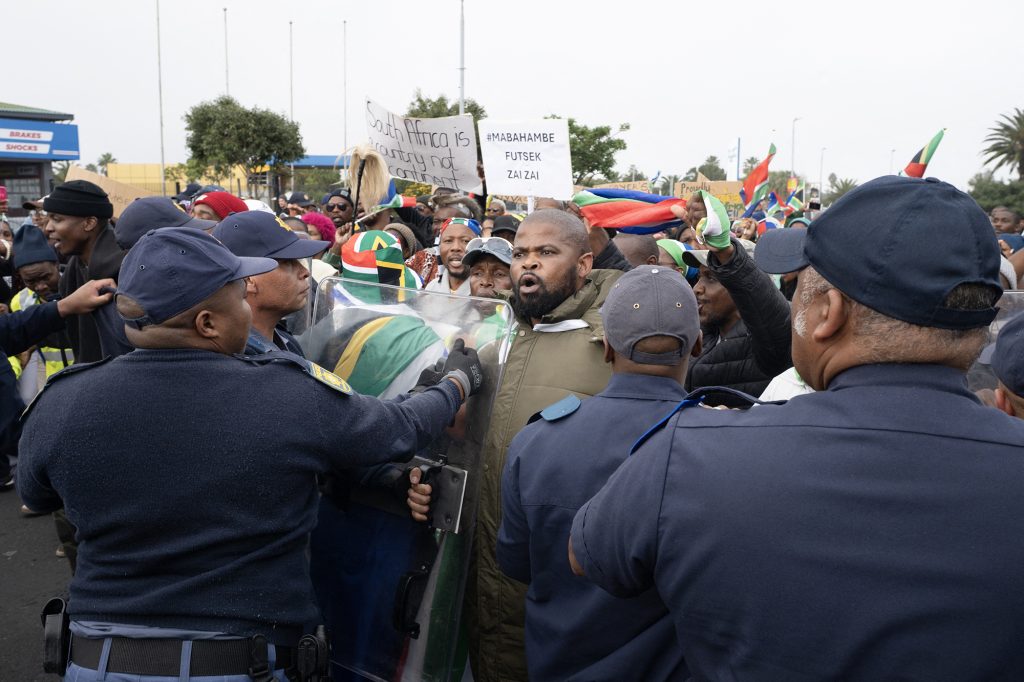
In recent times, South Africa has been a focal point of intense debate surrounding immigration and the treatment of undocumented foreigners. With a deadline set for June 30 for these individuals to leave the country, tensions have escalated into protests, some of which have turned violent. This blog post aims to delve into the complexities surrounding this issue, the events that transpired during the protests, and the implications for both foreign nationals and the South African economy.
The backdrop to the protests is a growing sentiment among certain groups in South Africa that undocumented immigrants are exacerbating social and economic challenges. The situation reached a boiling point with the deadline imposed by anti-immigrant factions, leading many foreigners to fear for their safety. As June 30 approached, reports indicated that various retail establishments across major cities, including Johannesburg, Cape Town, and Durban, chose to shut their doors, reflecting the heightened anxiety among the immigrant population.
The protests were characterized by a mix of peaceful demonstrations and alarming incidents of violence. In areas like Yeoville, a neighborhood with a significant foreign population, reports emerged of violence against immigrants. One Congolese resident recounted instances of foreigners being assaulted by protesters, highlighting the palpable fear that many felt during this tumultuous period. Streets that would typically be bustling with activity were eerily quiet, as shop owners closed their doors, opting for safety over business.
Law enforcement, while asserting that the protests were largely peaceful, faced challenges in maintaining order. Although certain areas, such as Soweto, experienced calm, others saw clashes, particularly in the Johannesburg CBD and eThekwini in KwaZulu-Natal. The South African Police Service (SAPS) took a proactive stance, deploying officers across the country to ensure public safety and protect critical infrastructure. The police ministry emphasized that any criminal behavior, including looting and public violence, would not be tolerated, and those responsible would face legal consequences.
The protests raised critical questions about the treatment of immigrants in South Africa. While some citizens voiced their concerns regarding the pressures on local resources and job markets, others pointed out that the narrative surrounding undocumented foreigners often overlooks their contributions to the economy. Many immigrants engage in informal trade, providing essential services and products that many South Africans rely on. This duality complicates the discourse, as it pits economic considerations against the backdrop of social strain.
For traders and investors, the situation presents a mixed bag of insights. On one hand, the unrest and uncertainty surrounding immigration policy could discourage investment in areas heavily populated by immigrants, as business owners grapple with safety concerns and potential disruptions. On the other hand, markets often respond to uncertainty with volatility, presenting opportunities for savvy investors to capitalize on price fluctuations in affected regions.
The broader implications of these events cannot be understated. As South Africa grapples with its identity and response to immigration, the balance between maintaining law and order and fostering a welcoming environment for those seeking better opportunities will be crucial. The government’s response, particularly in terms of policy formulation and community engagement, will play a significant role in shaping future relations between citizens and foreign nationals.
In conclusion, the protests surrounding the June 30 immigration deadline in South Africa serve as a stark reminder of the complexities inherent in immigration policy. They highlight the tensions between economic realities and social dynamics, while also presenting a range of challenges and opportunities for traders and investors. Moving forward, it will be essential for all stakeholders—government, community leaders, and business owners—to engage in constructive dialogue aimed at fostering a more inclusive environment. The situation calls for a careful balancing act that recognizes the contributions of immigrants while addressing the legitimate concerns of local communities. As South Africa navigates this difficult terrain, the outcomes will undoubtedly shape the country’s socio-economic landscape for years to come.