
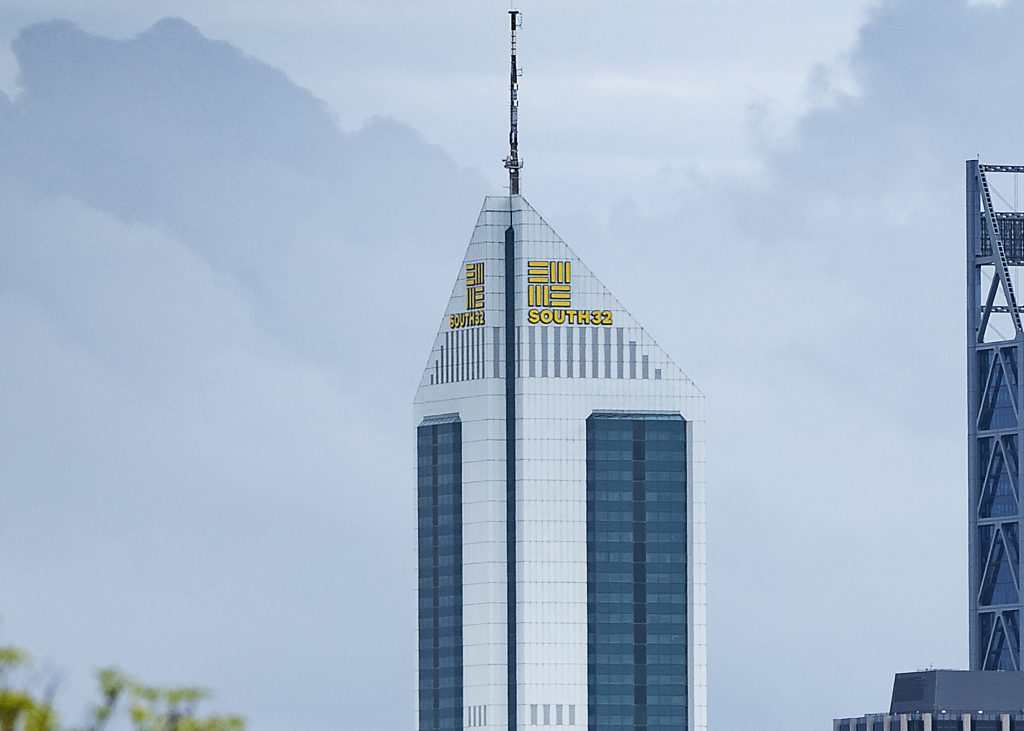
In a significant financial development, South32 has announced its intention to distribute a substantial portion of its Alcoa stock directly to its shareholders. This strategic maneuver not only marks a pivotal moment for South32 but also highlights the shifting dynamics within the aluminum market. As the investment landscape evolves, understanding the implications of this deal is essential for both traders and investors alike.
South32, an established player in the resources sector, plans to allocate at least 50% of its holdings in Alcoa to its shareholders, with the remaining shares available for sale. Upon completion of the transaction, South32’s shareholders will collectively own approximately 6% of Alcoa, a move that underscores the interconnected nature of the two companies. This announcement came just after the close of U.S. trading on a Tuesday, leading to immediate market reactions. Alcoa’s stock, which is listed in Sydney, experienced a decline of up to 5.4% the following day, while shares of South32 surged by as much as 10%. Such volatility reflects the market’s anticipation and the strategic implications of this deal.
The rationale behind this stock distribution is rooted in the broader context of the aluminum industry, which has seen fluctuating prices and changing demand dynamics in recent months. Aluminum prices have risen by approximately 3% this year, primarily driven by supply disruptions in the Middle East. This region is responsible for nearly 10% of the world’s aluminum output. However, the market has also experienced a reduction in price gains as prospects for resolving ongoing conflicts, such as the Iran war, eased concerns about supply shortages.
From a strategic standpoint, the acquisition is set to enhance Alcoa’s market position significantly. By broadening its portfolio, Alcoa will increase its exposure to the burgeoning demand for aluminum driven by the energy transition, advancements in artificial intelligence, and a variety of other sectors. The lightweight metal is becoming increasingly vital in industries such as electric vehicles, renewable energy, packaging, and aerospace. Its lower weight and cost compared to copper make aluminum an attractive alternative for power grids, further solidifying its role in the transition to sustainable energy solutions.
The figures associated with this deal are noteworthy. Alcoa anticipates that the acquisition will elevate its annual aluminum production to 3.2 million tons and alumina production to 14.8 million tons. Additionally, the company expects to generate approximately $900 million in net present value through operational synergies. This suggests that the deal is not merely a financial transaction; it is a strategic move aimed at enhancing operational efficiency and profitability. Alcoa’s management has expressed confidence that the transaction will boost earnings per share and free cash flow right from the outset.
As the deal awaits approval from shareholders and regulatory bodies, it also coincides with a significant leadership transition at South32. The long-serving CEO, Graham Kerr, is set to step down, making way for Matthew Daley to assume the role on July 1. This change in leadership adds another layer of complexity to the situation, as new management may bring different strategic priorities and visions for the company’s future.
For traders and investors, the implications of this deal are multifaceted. On one hand, the immediate market reactions—where South32 shares rose while Alcoa’s fell—highlight the differing perceptions of value between the two companies. Traders focusing on short-term movements may find opportunities in this volatility, while long-term investors should consider the strategic benefits that both companies stand to gain from the deal.
Key takeaways from this development include the importance of understanding market dynamics and the potential for significant shifts in stock valuations based on strategic moves like this one. Investors should also keep an eye on the broader trends in the aluminum market and the ongoing demand for the metal in emerging sectors.
In conclusion, South32’s decision to distribute its Alcoa stock marks a crucial juncture in the aluminum industry, with potential implications for both companies and their shareholders. As the transaction progresses towards completion, stakeholders should remain vigilant and informed, as the evolving landscape may present both challenges and opportunities in an increasingly competitive market. The focus on operational synergies and enhanced production capabilities positions both South32 and Alcoa to capitalize on the growing demand for aluminum in the years to come.