
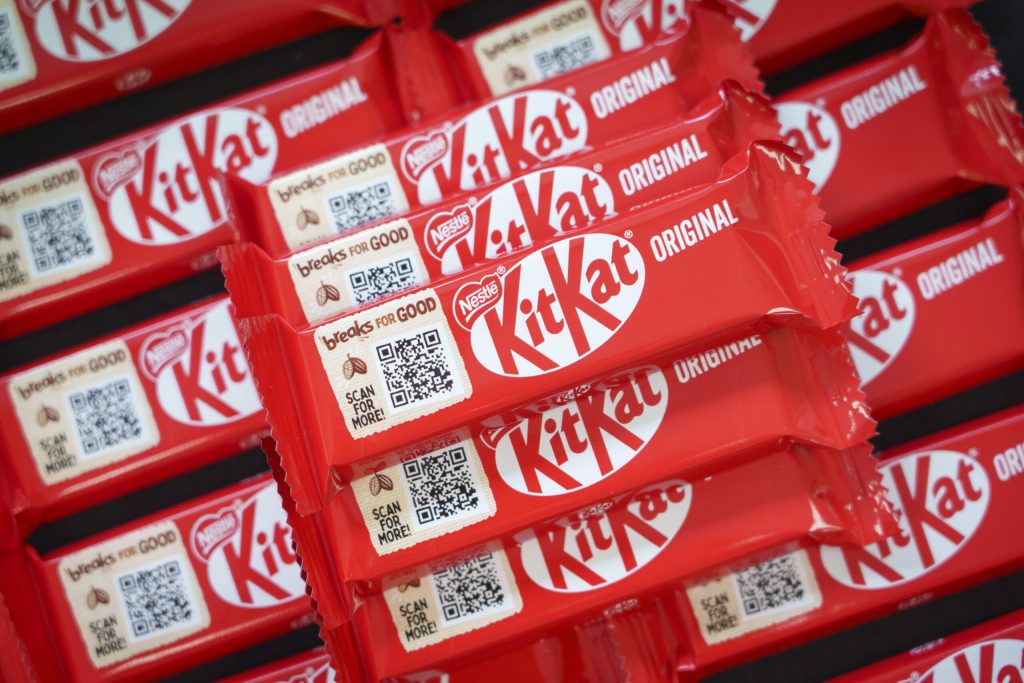
In a move that has garnered significant attention within the food industry, Nestle SA has announced an upcoming transformation to the beloved KitKat bar across much of Europe. This change, set to roll out in September 2027, aims to enhance the iconic chocolate treat by making it crispier and introducing a unique hazelnut flavor. While one might assume that this alteration is a response to the soaring cocoa prices impacting the chocolate market, Nestle is adamant that the motivation lies in evolving consumer preferences rather than cost-cutting measures.
Nestle’s decision to adjust the KitKat recipe reflects a broader strategy to attract a wider audience, particularly those who may not have previously considered KitKat as a go-to indulgence. According to Rouven Lochmuller, the global brand manager for KitKat, the company intends to maintain the existing cocoa content while adding a “third level” of flavor complexity to the product. This new approach signals a shift in Nestle’s understanding of consumer taste preferences, suggesting that the distinctions between milk chocolate and dark chocolate lovers may not be as rigid as once thought.
The reformulation of KitKat is not merely about appealing to new audiences; it also highlights Nestle’s commitment to innovation in a competitive marketplace. The chocolate segment has faced challenges in recent years, marked by fluctuating cocoa prices and changing consumer tastes. As a result, many chocolate manufacturers have had to navigate these pressures by either reducing the cocoa content in their products or raising prices, which can alienate cost-conscious consumers. However, Nestle’s strategy seems to be focused on enhancing the product experience rather than compromising on quality.
Key Points to Consider:
1. **Consumer Engagement**: Nestle’s changes are designed to attract a broader consumer base by diversifying flavor profiles. This indicates a keen awareness of market dynamics and consumer behavior.
2. **Cocoa Prices**: While cocoa prices have been volatile, Nestle’s decision to retain the cocoa share in the KitKat formula showcases confidence in the brand’s ability to adapt without sacrificing quality.
3. **Historical Context**: Previous attempts at altering the KitKat recipe, such as the KitKat V—a plant-based variant—were met with limited success. This time, Nestle appears to have learned from earlier missteps and is approaching the market with a more consumer-focused mindset.
4. **Regional Variations**: Interestingly, the changes will not affect the UK market, as local taste preferences have already aligned closely with the existing recipe, demonstrating Nestle’s ability to tailor its strategies to different regions.
For investors and traders in the food sector, this recipe revamp could signal several potential trends. As companies like Nestle pivot toward innovation and consumer engagement, there may be opportunities for investment in brands that are willing to adapt to changing market conditions. Furthermore, Nestle’s ability to maintain product quality while responding to consumer preferences may enhance its competitive position within the confectionery market.
The chocolate industry, particularly in light of rising costs and evolving consumer tastes, is at a pivotal juncture. With Nestle leading the charge by revitalizing the KitKat brand, it will be essential to monitor how this strategy plays out in terms of market reception and financial performance. The company’s focus on flavor innovation could not only breathe new life into an established product but also drive sales growth in an increasingly crowded market.
In conclusion, Nestle’s upcoming changes to the KitKat bar reflect a strategic pivot that aims to captivate a broader audience while maintaining the integrity of the product. As the company navigates the complexities of consumer preferences and fluctuating cocoa prices, its commitment to innovation will be crucial in retaining its market share. For both consumers and investors alike, the evolution of KitKat offers a fascinating glimpse into the future of the chocolate industry, one where flavor complexity and consumer engagement take center stage. As we approach the 2027 rollout, it will be interesting to see the impact of these changes on brand loyalty and overall sales performance.