
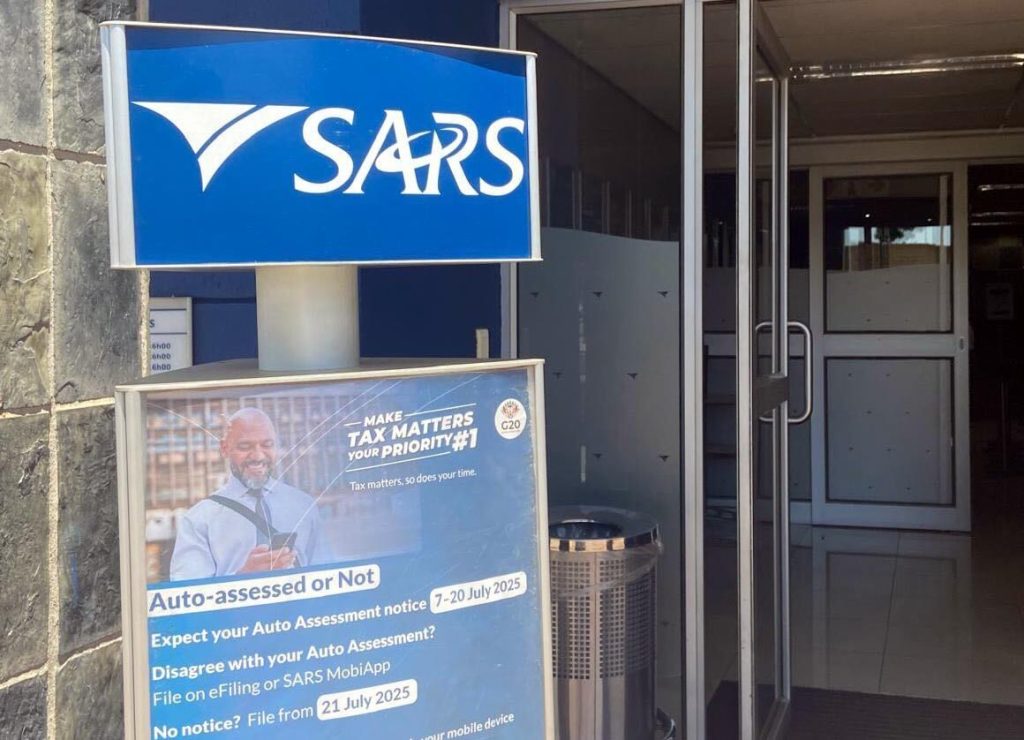
As the new tax season unfolds in South Africa, millions are gearing up for the 2026 tax filing process. The South African Revenue Service (SARS) has introduced several changes this year that could significantly affect how taxpayers approach their returns. With auto-assessments rolling out for the majority and new compliance measures in place for those with complex financial situations, understanding these updates is essential. In this post, we will delve into the key changes for this tax season, their implications, and strategies for taxpayers to ensure a smooth filing experience.
The 2026 tax filing season has officially commenced, bringing with it the promise of auto-assessments for millions of South African taxpayers. This year, SARS is taking a more proactive stance by introducing a declaration alert questionnaire, aimed at identifying discrepancies between the information they possess and the details declared by taxpayers. This initiative signals a significant shift in how tax compliance will be monitored and enforced, particularly for high-net-worth individuals and those with multifaceted financial portfolios.
The introduction of the declaration alert questionnaire is particularly noteworthy. Designed to serve as a pre-verification tool, this alert notifies taxpayers that they may be selected for further scrutiny if they do not address the discrepancies highlighted by SARS. Nico Theron, the founder of Unicus Tax Specialists SA, emphasizes that this alert acts as a critical reminder of the extensive third-party data accessible to SARS. Taxpayers should be aware that the agency has access to a wealth of information that could influence their tax liabilities, and as such, it is imperative to ensure accuracy in their returns.
One of the most significant points to consider this tax season is the importance of addressing any potential issues before they escalate into verification or audit situations. The process of resolving discrepancies is generally more manageable when approached proactively. Ignoring the declaration alert could lead to receiving an assessment that may not align with the taxpayer’s actual financial situation, which can create unnecessary complications down the line.
High-wealth individuals and those with multiple income streams—such as rental income, interest, and dividends—are likely to be the primary recipients of the declaration alert questionnaire. These taxpayers often present more complex returns, making them more susceptible to closer examination by SARS. Therefore, meticulous attention to detail when completing tax returns is crucial for these individuals.
In addition to the declaration alert, SARS has introduced several other enhancements to the tax filing process this year. Taxpayers can expect improved pre-filled data regarding their investment income, making it easier to complete their returns accurately. A simplified return process with clearer questions aims to reduce confusion, while a dropdown of approved medical aid schemes is also designed to minimize errors. Furthermore, for those who prefer modern communication methods, SARS will now deliver assessment notices via WhatsApp, adding a layer of convenience to the process.
Despite these improvements, it is important to remember that SARS bases its assessments on the data it receives from third-party sources. Andre Bothma, head of tax at TaxTim, warns that if certain income or deductions are not reflected in the data provided, taxpayers must take the initiative to rectify the situation themselves. This underscores the importance of reviewing one’s financial records thoroughly before submission.
For investors and traders, this tax season presents unique challenges and opportunities. Understanding the implications of these changes is vital for making informed financial decisions. Taxpayers should consider how their investments are impacted by the new filing requirements and be proactive in ensuring that all relevant income and deductions are accurately reported. This approach not only helps in avoiding potential disputes with SARS but also paves the way for more strategic investment planning in the future.
In conclusion, the 2026 tax filing season in South Africa is marked by significant changes that demand careful attention from taxpayers. The introduction of the declaration alert questionnaire and enhancements to the filing process highlight SARS’s commitment to ensuring compliance and accuracy. Taxpayers—especially those with complex financial situations—must be diligent in reviewing their information and addressing any discrepancies promptly. By doing so, they can navigate this tax season with confidence, minimizing the risk of complications and positioning themselves for financial success in the coming year.