
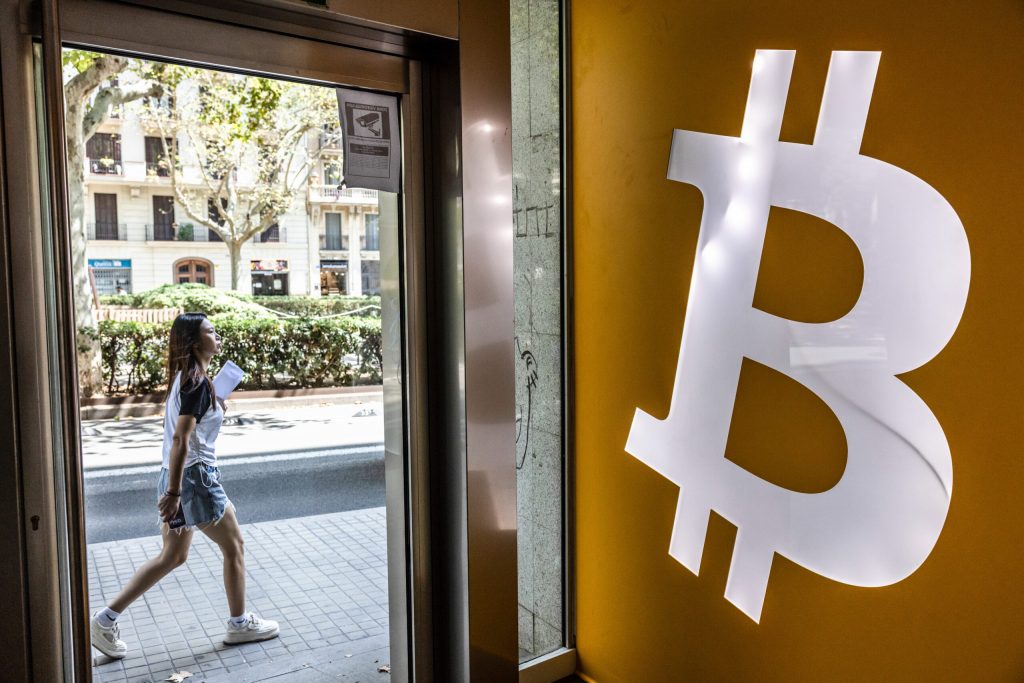
In recent weeks, Bitcoin has been grappling with significant headwinds that have led to a notable decline in its value. Investors are feeling the pinch as the cryptocurrency plummeted to a 21-month low, driven by emerging concerns surrounding interest rate hikes and shifts in corporate sentiment. As we delve into the factors contributing to Bitcoin’s current market position, we will explore the implications for traders and investors alike.
The cryptocurrency market is no stranger to volatility, and Bitcoin, the market leader, is often at the forefront of these fluctuations. Recently, Bitcoin’s price dropped by approximately 1.5% during trading in Asia, reaching a low of $57,742—the lowest point since mid-September 2024. This downward trend has been attributed to a combination of expectations regarding interest rate increases and waning confidence in significant institutional buyers.
One of the primary catalysts for Bitcoin’s decline is the stance taken by the U.S. Federal Reserve. With comments from Fed officials signaling a potential tightening of monetary policy, investors are beginning to anticipate higher interest rates. Such developments typically lead to a shift in capital away from non-yielding assets like cryptocurrencies, which do not provide any income. In fact, in June alone, more than $4 billion was withdrawn from Bitcoin exchange-traded funds (ETFs) listed in the U.S.—the largest outflow since their inception two years ago. This mass withdrawal signals a growing disinterest among institutional investors as they reassess their portfolios in light of changing economic conditions.
Analysts, including Tony Sycamore from IG Australia, have pointed out that Bitcoin is facing mounting pressure due to fluctuating Fed rate expectations and a strengthening U.S. dollar. The upcoming U.S. nonfarm payrolls report is anticipated to further impact market sentiment, potentially reinforcing the Fed’s hawkish stance. A strong jobs report could solidify the expectation of continued rate hikes, putting more downward pressure on Bitcoin’s price.
Moreover, concerns surrounding one of Bitcoin’s largest corporate buyers, Strategy Inc., have added to the uncertainty. Initially, investors were optimistic about the company’s restructuring efforts, particularly regarding stock buybacks and cash reserves. However, the narrative has shifted as the company has indicated a newfound flexibility to sell Bitcoin rather than focusing solely on accumulation. This strategic pivot raises questions about the future demand from one of the market’s significant players, further complicating Bitcoin’s outlook.
Currently, Bitcoin’s price is more than 50% below its all-time high of over $126,000, achieved in October last year. This steep decline has brought Bitcoin below its 200-week moving average, a critical technical level that may signal a protracted bear market. The combination of external pressures and internal shifts in corporate strategy creates a challenging environment for Bitcoin and its investors.
As the Federal Reserve continues to emphasize its commitment to combating inflation, the implications for the cryptocurrency market could be profound. During a recent press conference, new Fed Chairman Kevin Warsh made it clear that the central bank will not tolerate elevated inflation levels, which has led to increased expectations for interest rate hikes. Other Fed officials have echoed this sentiment, suggesting that tighter monetary policy could be on the horizon.
In navigating these turbulent waters, traders and investors should remain agile and informed. Preparing for various potential outcomes is crucial in such a dynamic market. Sean Neethling, head of investments at Morningstar, emphasizes the importance of readiness over the pursuit of certainty.
In summary, Bitcoin’s recent struggles underscore the complexities of the cryptocurrency market amid changing economic conditions. With interest rates on the rise and corporate confidence in key players waning, investors must approach the market with caution. Understanding the interplay between monetary policy and cryptocurrency sentiment will be vital for those looking to navigate the future of Bitcoin and the broader crypto landscape. As we continue to monitor these developments, staying informed and adaptable will be essential for making sound investment decisions in this evolving environment.