
The Canadian national soccer team has made headlines recently, not just for their on-field performance, but for the economic impact their success is generating back home. As the team advances in the FIFA World Cup, the airline industry in Canada is seizing the opportunity to cater to the surge of fans eager to support their team. This extraordinary moment in sports history is not only about soccer; it is also a fascinating case study in how athletic achievements can drive economic activity and influence market trends.
For many years, Canada has found itself on the sidelines of international soccer, with qualification for the World Cup being a rare feat. However, this year marks a turning point as the Canadian team has impressively reached the round of 16 for the first time in its history. Their recent victory over South Africa has fueled excitement across the nation, prompting a significant increase in travel demand. The upcoming match against Morocco, set to take place in Houston on July 4, has sparked a flurry of activity among Canadian airlines.
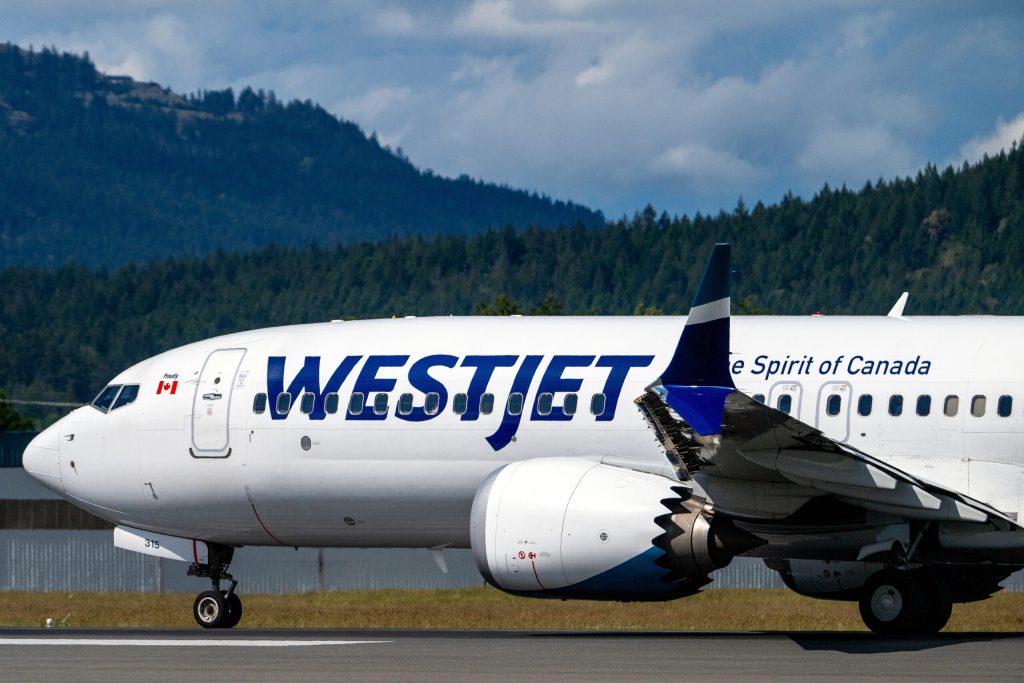
WestJet Airlines, one of Canada’s leading carriers, is capitalizing on this newfound enthusiasm. The airline, which is backed by private equity firm Onex Corp and partners including Delta Air Lines, is responding to the high demand for flights to Houston by increasing its capacity. The company announced that it would be deploying larger aircraft for several flights from Calgary to Houston, enabling them to accommodate an additional 42 passengers on each flight. Julia Kaiser, a spokesperson for WestJet, emphasized the airline’s commitment to helping Canadian fans attend the match and support their team on this significant stage.
Meanwhile, Air Canada is also making adjustments in anticipation of the influx of travelers. The airline has upgraded the capacity of one of its flights from Toronto to Houston on July 3 and is considering further expansions. Despite the peak summer travel season putting pressure on their fleet, Air Canada recognizes the importance of accommodating the surge in demand stemming from Canada’s World Cup run.
The financial implications of this sporting success extend beyond just ticket sales. The price of airfare to Houston has seen a noticeable increase, reflecting the high demand among fans. For example, a direct flight from Vancouver to Houston, departing just one day before the match, is currently listed at around C$2,150 (approximately $1,510). This price surge illustrates not only the excitement surrounding the World Cup but also the willingness of fans to invest in their passion for soccer.
As the Canadian team progresses in the tournament, it is crucial to note the broader economic landscape. Following the return of Donald Trump to the White House, travel from Canada to the United States had seen a decline. However, the current World Cup fever appears to be reversing that trend, as passionate supporters flock to watch their team compete on an international stage. The jubilant atmosphere in Los Angeles during the Canadian team’s match against South Africa serves as a testament to the growing enthusiasm and support for Canadian soccer.
For traders and investors, the situation presents a unique opportunity. The performance of airlines like WestJet and Air Canada in response to the World Cup can serve as a barometer of consumer confidence and spending patterns. Increased travel demand could lead to higher revenues for these airlines, making them potentially attractive investments in the short term. Additionally, the excitement generated by the World Cup could lead to long-term brand loyalty among consumers, benefiting these companies well beyond the tournament.
In conclusion, Canada’s remarkable advancement in the FIFA World Cup is not just a source of national pride; it is also catalyzing significant economic activity within the airline industry. As demand for travel surges, airlines are taking proactive measures to accommodate fans eager to support their team. This situation highlights the interconnectedness of sports and economics, showcasing how a single event can reverberate through various sectors, ultimately influencing consumer behavior and investment opportunities. As the tournament continues, it will be fascinating to observe how these dynamics unfold and the lasting impact they may have on both the soccer landscape and the financial markets.