
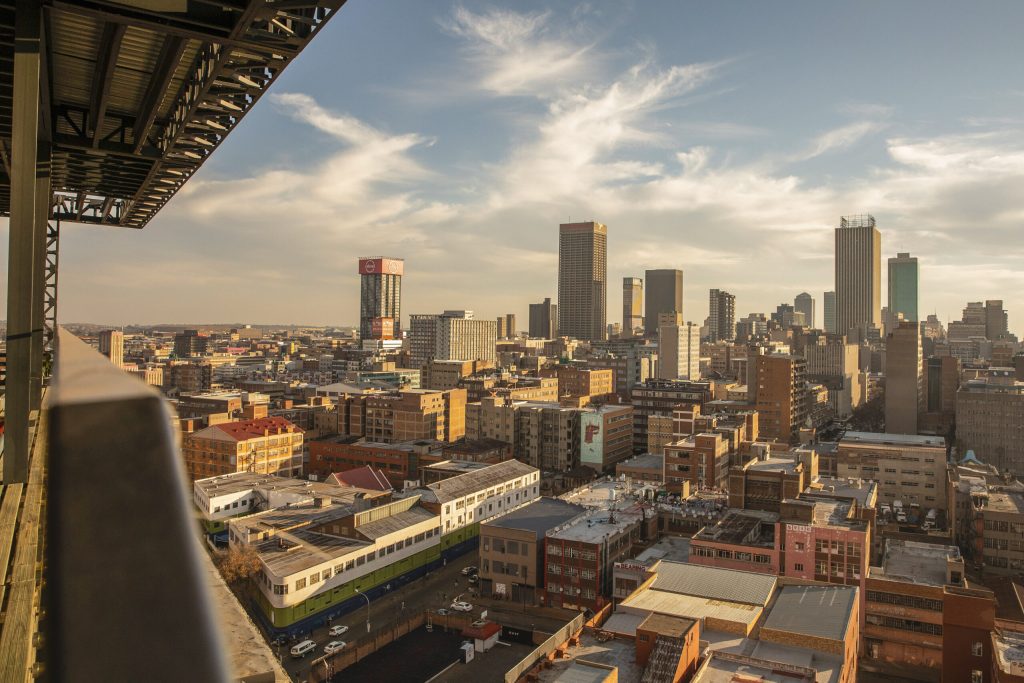
As Johannesburg embarks on a new financial year, it faces a daunting challenge: a multibillion-rand budget that is not fully funded. This predicament not only raises concerns about the city’s financial management but also poses significant risks to its ability to meet essential service obligations, such as power and fuel supplies. With an unfunded budget gap estimated at R2.1 billion (approximately $128 million), the financial future of South Africa’s largest city hangs in the balance, threatening to plunge it deeper into a fiscal crisis.
The complexities of Johannesburg’s financial situation stem from a variety of factors, including overstated revenue projections and a growing budget deficit. According to a framework reviewed by Bloomberg News, the National Treasury has outlined the challenges facing the city, pinpointing the discrepancy between projected revenues and actual audited results as a primary cause of the financial shortfall. The overall budget deficit for Johannesburg is projected to reach R7 billion in the current fiscal year, a staggering figure that highlights the urgent need for corrective measures.
One of the key recommendations put forth by the National Treasury to address this budgetary shortfall is a concerted effort to enhance revenue collection. Johannesburg’s financial woes have been exacerbated by inefficiencies in its revenue-generating mechanisms. By streamlining processes and improving accountability, city officials could potentially close the funding gap. Additionally, the Treasury has suggested that the city reassess its policy of providing 6 kiloliters of free water to non-indigent households. This policy, while well-intentioned, may be contributing to the unsustainable fiscal environment that Johannesburg currently faces.
The financial crisis in Johannesburg is further compounded by its substantial debts to state-owned power and water utilities. The city owes hundreds of millions of dollars, and the threat of power cuts looms large as unpaid bills accumulate. South Africa’s Finance Minister, Enoch Godongwana, has also issued a stark warning regarding the potential withdrawal of R8 billion in state funding due to an illegal and unaffordable R10.3 billion wage agreement signed by the city. The implications of such a funding cut would be dire, as it could exacerbate the city’s budgetary woes and hinder its ability to deliver essential services to residents.
The political landscape surrounding Johannesburg’s financial management is equally troubling. The city, currently led by an alliance of the African National Congress (ANC), has experienced a decline in governance and efficiency in recent months. The upcoming municipal elections set for November 4 are expected to serve as a battleground for competing political parties, all of which will have to address the pressing financial issues facing the city. A lack of decisive action could result in a further erosion of public trust and confidence in local governance.
For traders and investors, the implications of Johannesburg’s financial struggles extend beyond the city’s borders. As the economic hub of South Africa, Johannesburg contributes approximately 16% to the nation’s gross domestic product (GDP). A financial collapse in the city could reverberate throughout the country, impacting growth prospects and tax revenues. Investors must remain vigilant and aware of the potential risks that may arise from Johannesburg’s financial instability, particularly in sectors that are heavily reliant on municipal services and infrastructure.
In conclusion, Johannesburg’s financial predicament serves as a stark reminder of the consequences of mismanagement and fiscal irresponsibility. As the city grapples with an unfunded budget and looming debts, the urgency for effective governance and transparent financial practices has never been greater. The recommendations from the National Treasury provide a roadmap for recovery, but successful implementation will require a commitment from city officials and a willingness to adapt to changing circumstances. For stakeholders, including investors and residents, the coming months will be critical in determining whether Johannesburg can steer itself away from the brink of financial collapse and chart a more sustainable economic course for the future.