
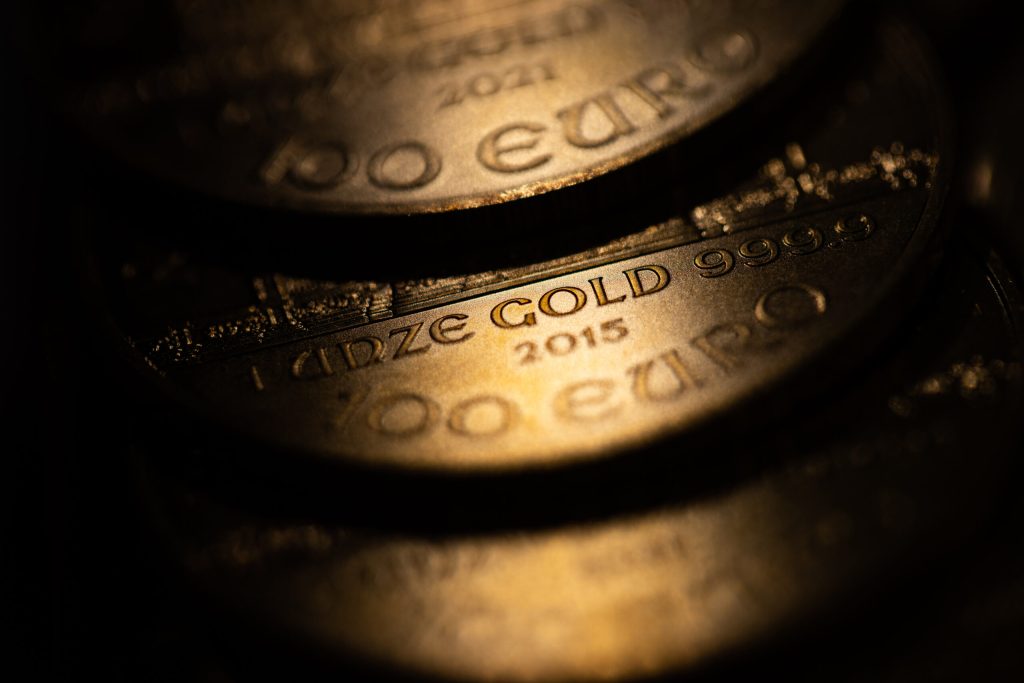
The precious metal gold is once again making headlines as its price rose above $4,000 an ounce, drawing the attention of traders and investors around the globe. This surge comes as market participants analyze the potential tightening of monetary policy by the Federal Reserve and ongoing diplomatic discussions between the United States and Iran. As the financial landscape remains volatile, understanding the driving factors behind gold’s price movements is crucial for anyone involved in trading or investing.
Gold is often seen as a safe haven during times of economic uncertainty, and its recent price fluctuations reflect the current tensions in the financial markets. After reaching a record high earlier this year, gold faced significant pressure, dropping below the $4,000 mark at one point during recent trading sessions. However, it rebounded to around $4,030 per ounce, marking a 0.6% increase. This upswing has sparked renewed interest among traders, who are keenly awaiting insights from key economic figures regarding future interest rate policies.
One of the focal points for investors is the upcoming speech by Federal Reserve Chair Kevin Warsh at the European Central Bank’s annual symposium in Sintra, Portugal. Warsh’s previous comments indicated that the Fed is not inclined to tolerate high inflation levels, which has raised concerns about potential interest rate hikes. Fed Bank of Cleveland President Beth Hammack recently echoed this sentiment, suggesting that the central bank may need to raise interest rates to keep inflation in check. This creates a complex dynamic for gold, which tends to struggle when interest rates rise due to the non-yielding nature of the metal.
In addition to the Fed’s monetary policy, geopolitical factors are also at play. Talks between US negotiators and Iranian officials have reportedly progressed positively, which could impact energy prices and, in turn, gold’s attractiveness as a hedge against inflation. National Economic Council Director Kevin Hassett expressed concerns about the implications of raising interest rates, arguing that it could be a “macroeconomic mistake.” His remarks suggest that internal dissent may exist within the Fed regarding the timing and necessity of any rate increases.
The backdrop of these developments is a notable decline in gold prices during the second quarter, where the metal saw its worst performance since 2013, with a staggering 14% drop. This decline can be attributed to speculation surrounding the Fed’s potential actions to combat persistent inflation, despite a recent easing of energy costs following the interim US-Iran peace talks. The relationship between rising borrowing costs and gold prices is crucial, as higher rates typically diminish the appeal of non-yielding assets like gold.
As market participants prepare for upcoming employment data, recent reports have shown stability in the US labor market, with job openings remaining relatively unchanged in May. This resilience may provide the Federal Reserve with the confidence to maintain its current interest rate stance while evaluating inflation trends. The anticipated jobs report could offer further insights into economic conditions and influence market sentiment regarding the Fed’s policy outlook.
On a technical level, gold is facing challenges as well. The recent formation of a “death cross,” where the 200-day moving average falls below the 50-day moving average, has raised concerns among some investors. This pattern is often interpreted as a signal of a long-term downtrend, reinforcing a bearish outlook for gold. However, market strategist Li Xing Gan noted that while this technical signal may suggest sustained selling pressure, it does not preclude the possibility of short-term rebounds if market sentiment shifts positively.
As gold trades at approximately $4,030 per ounce, the broader economic landscape will continue to influence its trajectory. The Bloomberg Dollar Spot Index, which tracks the performance of the US dollar, has also seen fluctuations, impacting how gold is perceived by investors globally. Silver prices remain relatively unchanged, while platinum shows signs of strength, and palladium has faced declines.
In conclusion, the rise in gold prices amidst economic uncertainty highlights the intricate interplay between monetary policy, geopolitical events, and market sentiment. Traders and investors must remain vigilant, closely monitoring developments from the Federal Reserve and global political dynamics. As the financial markets navigate these complexities, understanding the underlying factors that drive gold’s price movements will be essential for making informed investment decisions in the months ahead.