
In recent times, the conversation surrounding energy production and consumption has shifted dramatically. As nations worldwide grapple with the urgent call for environmental sustainability, the focus has moved from traditional fossil fuels to renewable energy solutions. This transition is not just about adopting greener practices; it also involves an often-overlooked factor—minerals. The rise of artificial intelligence (AI) technology plays a pivotal role in this evolution, and understanding its implications is crucial for both investors and traders in the energy sector.
The global movement away from fossil fuels is driven by the need to combat climate change, reduce carbon emissions, and promote sustainable development. Governments and corporations are now prioritizing renewable energy sources like solar, wind, and hydropower. However, this shift presents a complex challenge: while renewable energy reduces reliance on fossil fuels, it simultaneously increases our dependence on various minerals essential for the production of technology that powers these renewable systems.
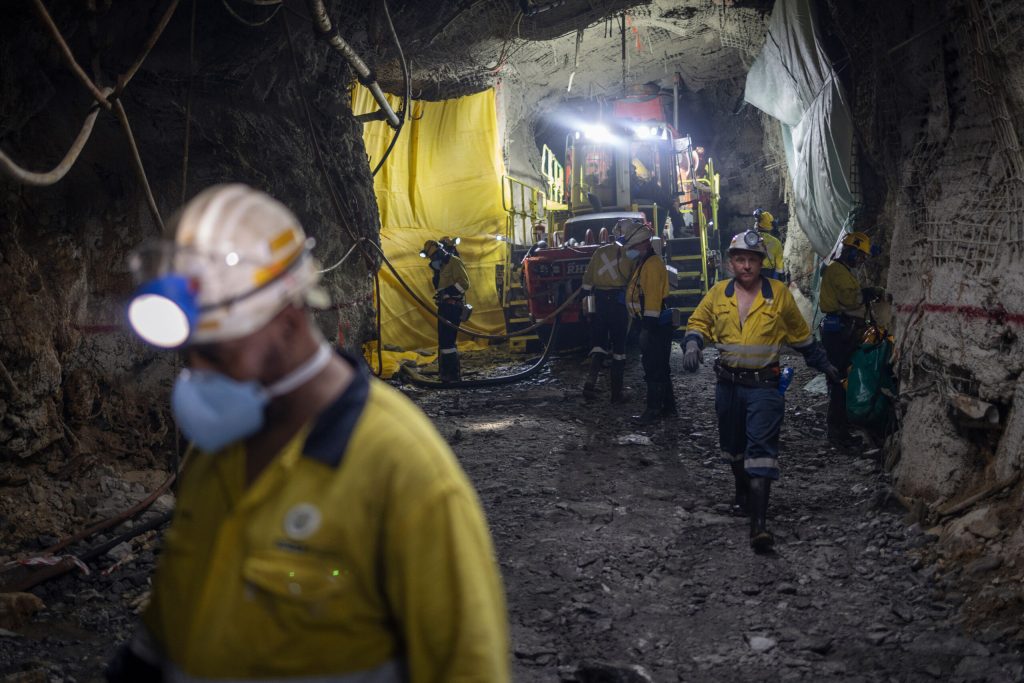
Dr. Lebohang Pheko, a senior research fellow at the Trade Collective, emphasizes the critical connection between AI technology and the mineral resources necessary for its development. While many perceive AI primarily as a software innovation, it is, in fact, profoundly mineral-intensive. The components that make AI applications possible—such as semiconductors, batteries, and other electronic devices—require extensive mining and processing of minerals like lithium, cobalt, and rare earth elements.
As the demand for AI-driven solutions grows, so does the need for these minerals. This creates a unique intersection between the energy transition and the mineral markets, suggesting that investors should closely monitor both sectors.
Key takeaways from this relationship include:
1. **Increased Demand for Minerals**: The push for renewable energy technologies and AI applications is driving a surge in demand for specific minerals. Investors should be aware of which minerals are in high demand and factor this into their investment strategies.
2. **Supply Chain Challenges**: The mining and processing of essential minerals face various challenges, including geopolitical tensions, environmental concerns, and regulatory hurdles. These factors can significantly impact supply chains, influencing market volatility and price fluctuations.
3. **Sustainability Considerations**: As the world shifts to greener technologies, the mining industry must also embrace sustainable practices. Companies that prioritize ethical sourcing and environmentally friendly mining operations may have a competitive edge.
4. **Investment Opportunities**: With the intersection of energy and mineral demand, new investment opportunities are emerging. Investors should consider looking into companies that focus on mining, processing, and technology sectors related to renewable energy and AI.
For traders and investors, understanding the dynamics between energy production, mineral resources, and AI applications is vital. The energy market is undergoing a transformation, and those who can anticipate the trends and shifts will be better positioned to capitalize on emerging opportunities. This requires not only an awareness of market movements but also an understanding of broader economic and environmental policies that may impact the sector.
In conclusion, the transition from fossil fuels to renewable energy is an essential step towards a sustainable future. However, this transition is intricately linked to the demand for minerals that are critical for both renewable energy technologies and AI applications. By recognizing the importance of these minerals and the complexities of their supply chains, investors can make informed decisions that reflect the changing landscape of the energy market. The future of energy lies not just in renewable sources but also in our ability to source and manage the minerals that power these innovations. As we move forward, staying informed and adaptable will be key to thriving in this evolving environment.