
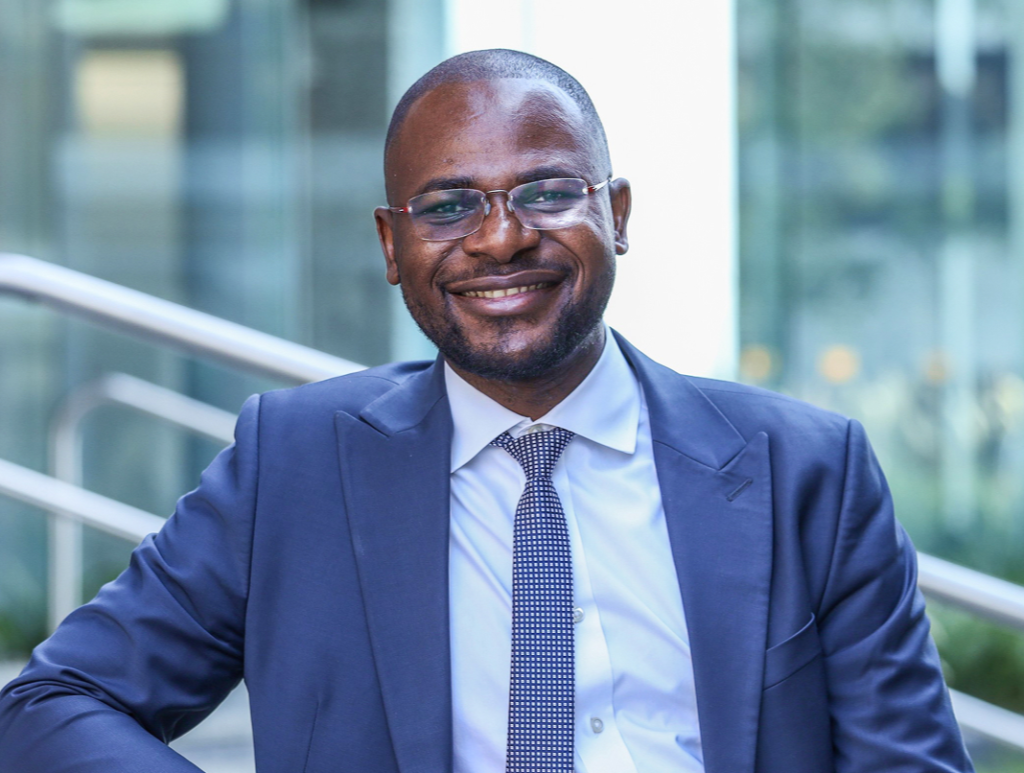
Africa stands at a crossroads, brimming with resources, opportunities, and the potential for remarkable growth. However, realizing this potential hinges on the establishment of robust institutions and effective execution strategies. In a recent discussion at the RMB Think Summit, economist Isaah Mhlanga shed light on the necessary steps for Africa to navigate the complex landscape of global economic change and build a resilient future.
The global economic landscape is undergoing a significant transformation, driven by geopolitical tensions, disruptions to supply chains, and volatility within energy markets. Mhlanga emphasizes that these factors are reshaping economies around the world, and Africa must adapt to these changes to foster resilience. For countries like South Africa and others across the continent, creating a foundation for resilience is of utmost importance. This can be achieved through strategic initiatives such as electrifying logistics networks and mitigating the reliance on fluctuating fuel prices. Such measures would enable African economies to better weather external shocks, increasing their stability and potential for growth.
Investment in education, skills development, and infrastructure is crucial for Africa’s economic advancement. Mhlanga argues that relying solely on foreign funding to address the continent’s challenges is not a sustainable solution. Instead, Africa must prioritize investments in its own human capital and productive capabilities. With a youthful demographic eager to contribute to the economy, there is immense potential waiting to be unlocked—if individuals are equipped with the necessary skills to thrive in a modern economy.
One of the significant hurdles Africa faces is the execution of development plans. While many African nations have laid out ambitious blueprints for growth, the implementation of these strategies often falls short. Mhlanga points out that the private sector is increasingly stepping in to bridge this gap, particularly in areas like energy, logistics, and infrastructure development. This shift signifies a growing recognition of the private sector’s role in driving growth and development across the continent.
Moreover, there are exciting opportunities emerging from regional infrastructure projects, increased beneficiation of local resources, and enhanced intra-African trade. These initiatives can help unlock greater value and potential across the continent, fostering collaboration and shared growth. As perceptions of Africa evolve, investors are beginning to view the region not merely as a risk-laden landscape, but as a burgeoning opportunity for growth and prosperity.
Key Takeaways:
1. The global economic reset is a reality that Africa must navigate to foster resilience and sustainable growth.
2. Strengthening institutions and investing in education and infrastructure are essential for unlocking the continent’s potential.
3. The private sector plays a pivotal role in executing development plans and driving economic progress.
4. Regional cooperation and intra-African trade can create new pathways for value creation and economic collaboration.
For traders and investors, the insights shared by Mhlanga provide a compelling narrative about Africa’s future. The continent’s potential is vast, but tapping into it will require a shift in mindset. As investors begin to see Africa as a land of opportunity rather than just risk, there are new avenues for investment that can yield significant returns. This perspective encourages a focus on sectors such as renewable energy, technology, and infrastructure—areas where growth is not only possible but likely.
In conclusion, Africa’s economic future relies heavily on its ability to bolster its institutions, invest wisely in its people, and effectively execute its development plans. As the continent navigates the challenges posed by a rapidly changing global landscape, it must embrace its strengths and opportunities. By doing so, Africa can transform its potential into tangible economic progress, paving the way for a prosperous future. The time is ripe for both local and international investors to engage with Africa, as its journey toward resilience and growth unfolds.