
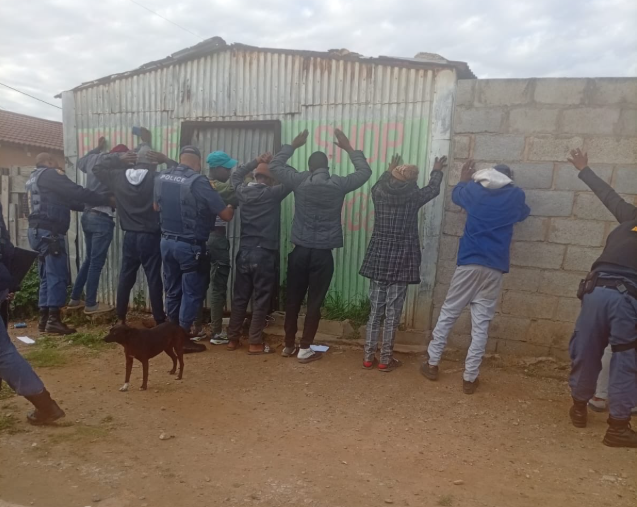
The streets of South Africa have recently become the backdrop for a surge of anti-immigrant demonstrations, resulting in over 900 arrests and raising significant questions about the nation’s social and economic landscape. As various groups, including the controversial March and March movement, have rallied for stricter immigration measures, the implications of these protests extend far beyond the immediate unrest. They touch on the country’s strained resources, the stability of local businesses, and the broader economic ramifications that could follow.
On June 30, the wave of protests swept across all nine provinces of South Africa, driven by growing frustrations over undocumented immigration. Activists argue that the influx of undocumented migrants is exacerbating existing strains on public resources such as jobs, healthcare, and education. This situation has ignited a call to action for government intervention, with many demanding a clear plan to address the challenges posed by illegal immigration. While most protests were reported as peaceful, police noted that there were instances of unrest requiring intervention.
The National Joint Operational and Intelligence Structure (NatJoints) confirmed in a media briefing that while the majority of marches were orderly, isolated incidents of violence did occur. Out of approximately 120 marches, only a dozen were classified as problematic, leading to arrests for various offenses, including public violence and looting. The police emphasized that many of those apprehended were illegal immigrants or individuals involved in criminal activities during the protests.
Key Takeaways:
1. Economic Strain: The protests highlight the increasing pressures faced by South African authorities in managing immigration, which is perceived to be impacting local resources.
2. Law Enforcement Response: The police have been actively involved in maintaining order, leading to a significant number of arrests among protesters and those accused of harboring undocumented migrants.
3. Business Impacts: Many businesses in areas affected by the protests temporarily shut down, leading to economic implications that are still being assessed.
4. Community Dynamics: The protests have sparked discussions around the legal responsibilities of employers who may unknowingly hire undocumented workers, raising concerns about the law’s enforcement and fair application.
For traders and investors, the recent unrest presents both challenges and opportunities. The immediate impact includes a potential downturn in economic activity in protest-affected areas, which could affect local supply chains and consumer spending. Businesses that operate in or near these regions may face disruptions, leading to decreased revenue in the short term.
However, these events may also create openings for companies involved in security, legal services, and compliance sectors. As businesses reassess their hiring practices to avoid potential legal repercussions, the demand for advisory services in compliance and legal frameworks could rise. Furthermore, increased security measures and heightened law enforcement presence may lead to long-term investments in safety solutions, impacting various sectors.
In light of this unrest, investors should pay close attention to the evolving political landscape and public sentiment around immigration policies. Companies that can navigate the complexities of these changes effectively may find themselves in a stronger position in the market. On the other hand, businesses that fail to adapt could face significant risks.
In conclusion, the anti-immigrant protests in South Africa reflect deeper societal tensions and contribute to an already complex economic environment. While the demonstrations have resulted in immediate challenges, such as arrests and business closures, they also open up discussions about immigration, legality, and the responsibilities of employers. As the situation continues to unfold, both traders and investors must remain vigilant and agile, ready to adapt to the rapidly changing dynamics of the South African economy. The future will depend not only on how the government responds to these protests but also on how businesses and individuals navigate the complex landscape shaped by these events.