
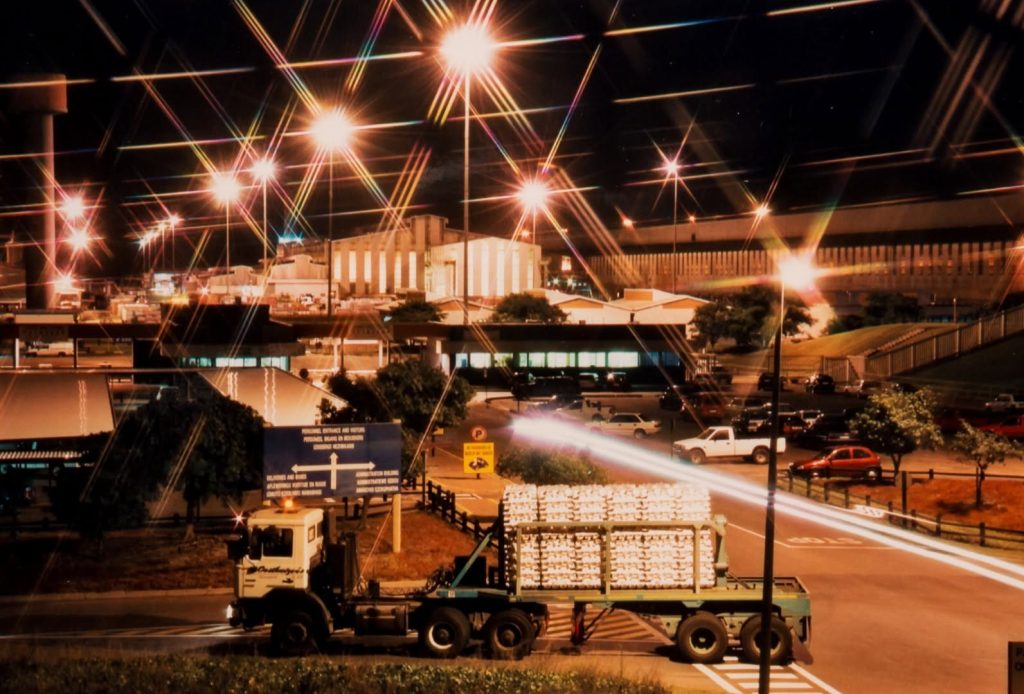
The landscape of aluminium production in Southern Africa is set to undergo a significant transformation as Alcoa, a leading global player in the aluminium market, prepares to acquire several key assets from South32, including the Hillside aluminium smelter. This deal, valued at an impressive $5.6 billion, could reshape the future of aluminium manufacturing in the region, particularly in light of ongoing challenges with power supply and market conditions.
As we delve into the implications of this acquisition, it is crucial to understand the context that has brought Alcoa to this point and the potential impact on the aluminium industry in Southern Africa.
The Hillside aluminium smelter, located in Richards Bay, is not just any facility; it is the largest of its kind in the southern hemisphere and has a storied history. Since its inception in the 1990s, Hillside has been a major consumer of electricity, accounting for approximately 5% of Eskom’s total output in 2023. The smelter was previously owned by BHP before its acquisition by South32 in 2015. Under South32’s ownership, Hillside, along with the Mozal smelter in Mozambique, faced significant challenges, particularly due to rising electricity costs and fluctuating aluminium prices.
The Hillside and Mozal smelters were once powerhouses, consuming nearly 9% of Eskom’s output before Mozal was placed on care and maintenance in March 2023. This situation illustrates the broader issues that large industrial consumers face in a country grappling with energy supply constraints. Notably, South32 faced scrutiny over its electricity tariff arrangements with Eskom, which were criticized as being disproportionately advantageous compared to the tariffs paid by regular consumers. This situation raised questions about fairness and sustainability in the energy market, especially as load shedding became a common occurrence in South Africa.
Alcoa’s acquisition comes at a critical time, as South32 is engaged in discussions with Eskom to establish a new long-term electricity supply agreement for the Hillside smelter, prior to the expiration of the current contract in 2031. Given the fate of the Mozal smelter, which resulted in the loss of around 4,000 jobs and a detrimental impact on the local economy, there is a strong incentive to ensure that Hillside remains operational and competitive.
Hillside has a production capacity of approximately 720,000 tonnes of aluminium annually, while Mozal had a capacity of 575,000 tonnes before its closure. The Bayside smelter, although smaller with a production capacity of less than 100,000 tonnes, is also part of this acquisition. Alcoa has yet to announce its plans for the shuttered facilities, but there is significant pressure from the Mozambican government to revive the Mozal operation, given its importance to the local economy.
Key points to consider regarding this acquisition include the changing dynamics of the aluminium market and the ongoing challenges related to energy supply. Alcoa’s entry into this market could bring much-needed investment and operational expertise, potentially leading to a revitalization of the affected smelters. Moreover, this acquisition underscores the importance of navigating the complexities of energy supply agreements in South Africa, particularly for large industrial consumers like aluminium smelters that rely heavily on consistent and affordable electricity.
For traders and investors, this deal presents both opportunities and risks. The aluminium market is subject to global fluctuations in demand and price, and any revitalization efforts by Alcoa will need to be closely monitored. Furthermore, the ongoing negotiations between South32 and Eskom regarding energy supply could significantly influence operational costs and profitability for the Hillside smelter and, by extension, Alcoa’s overall investment in the region.
In conclusion, Alcoa’s acquisition of South32’s aluminium assets marks a pivotal moment for the aluminium sector in Southern Africa. With both opportunities for growth and challenges related to energy supply, this transaction will likely have lasting implications for the industry. Stakeholders, including investors and traders, should remain vigilant as developments unfold, particularly regarding the resolution of power supply issues and the future operations of the Hillside and Mozal smelters. As South Africa grapples with its energy challenges, the success of this acquisition may depend on finding a sustainable balance between industrial needs and energy availability.