
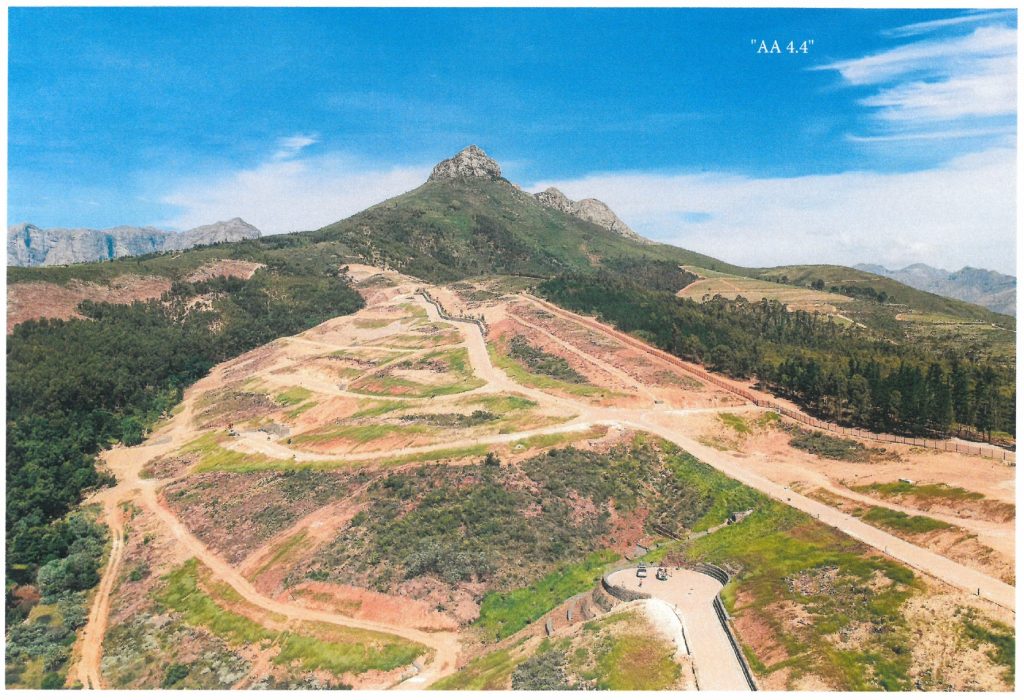
The recent ruling by the Western Cape High Court regarding the Botmaskop Fynbos Estate near Stellenbosch has stirred a mix of emotions among local residents and the investment community alike. Just this week, Judge Nobahle Mangcu-Lockwood dismissed a legal challenge brought forth by the Stellenbosch Interest Group (SIG), a coalition of concerned citizens opposing the development of a luxury residential estate on the picturesque slopes of Botmaskop. The ruling not only highlights the complex interplay between environmental concerns and property development but also raises important questions for investors in the real estate sector.
The controversy surrounding the Botmaskop Fynbos Estate involves a substantial land development project that spans 35 hectares and includes 77 individual plots. The SIG’s application aimed to halt the project, citing various legal and environmental concerns. However, the High Court’s judgment indicated that the group’s arguments were ultimately unpersuasive and poorly timed, resulting in a clear victory for the developers and other stakeholders involved in the project.
In her judgment, Judge Mangcu-Lockwood emphasized the procedural shortcomings of SIG’s case. The group sought to amend its application just days before the hearing, which the judge deemed an inappropriate approach under the established legal framework. The court found that SIG’s late application for amendments not only failed to meet the required legal standards but also sought broader relief than originally outlined. This lack of adherence to procedural rules resulted in punitive costs being awarded against SIG, highlighting the importance of following the correct legal process in such matters.
One significant aspect of the ruling was the judge’s decision to impose these punitive costs on SIG due to what she characterized as “egregious conduct” in failing to comply with the Uniform Rules of Court. This ruling serves as a warning to future litigants about the potential financial repercussions of neglecting procedural guidelines in similar challenges. The judge’s comments emphasized that private litigants should not bear the financial burden of unfounded legal actions, thereby reinforcing the importance of responsible legal conduct.
From an investment perspective, this ruling could have substantial implications for future developments in the region. The Botmaskop Fynbos Estate project is poised to attract affluent buyers looking for luxury residences in one of South Africa’s most desirable areas. The court’s decision not only legitimizes the project but also signals to potential investors that the legal framework is supportive of such developments, provided they comply with existing regulations and processes.
The case also raises broader questions regarding the balance between environmental stewardship and economic development. While the SIG’s concerns were rooted in environmental protection, the court’s dismissal highlights the challenges faced by community groups when contesting large-scale developments. Investors should take note of this dynamic, as public sentiment can significantly influence property values and investment viability. Negative perceptions could arise if developments are viewed as environmentally damaging or socially irresponsible, potentially leading to decreased demand.
Key takeaways from this ruling include the necessity for legal compliance and due diligence when pursuing environmental challenges. Investors and developers alike should ensure that their projects not only adhere to legal requirements but also engage positively with community concerns. This approach can foster goodwill among residents and create a more sustainable business model.
In conclusion, the High Court’s ruling on the Botmaskop Fynbos Estate serves as a pivotal moment for the Stellenbosch community and the broader real estate market. It underscores the critical importance of following established legal processes and highlights the need for a balanced discussion around development and environmental preservation. For investors, this case reinforces the message that while opportunities exist in luxury real estate, they come with responsibilities that extend beyond mere financial considerations. Engaging with communities and ensuring environmental compliance will be key to navigating this complex landscape successfully. As the luxury estate continues to take shape, all eyes will remain on how this development influences both the local community and the broader investment climate in the region.