
In the fast-paced world of consumer goods, few brands have reached the iconic status achieved by Nike. Known for its innovative athletic gear and memorable marketing campaigns, the company has long been synonymous with performance and style. However, recent trends suggest that Nike’s dominance is faltering, indicating a deeper issue that warrants examination. This blog post aims to explore the factors contributing to Nike’s decline, the implications for consumers and investors, and the lessons that can be gleaned from this unfolding narrative.
To understand the current state of Nike, it is essential to recognize the typical lifecycle of a successful corporate entity. Initially, a brilliant product idea gives rise to a business that quickly gains traction. As the product reaches a wider audience, operational efficiencies develop, leading to robust growth and the establishment of a formidable brand. However, this trajectory often takes a turn when companies begin to prioritize revenue over product quality and customer satisfaction. In Nike’s case, the brand’s ascent has been marked by a series of price increases that outpace inflation, which initially did not deter consumer interest. This strategy, however, has its limits.
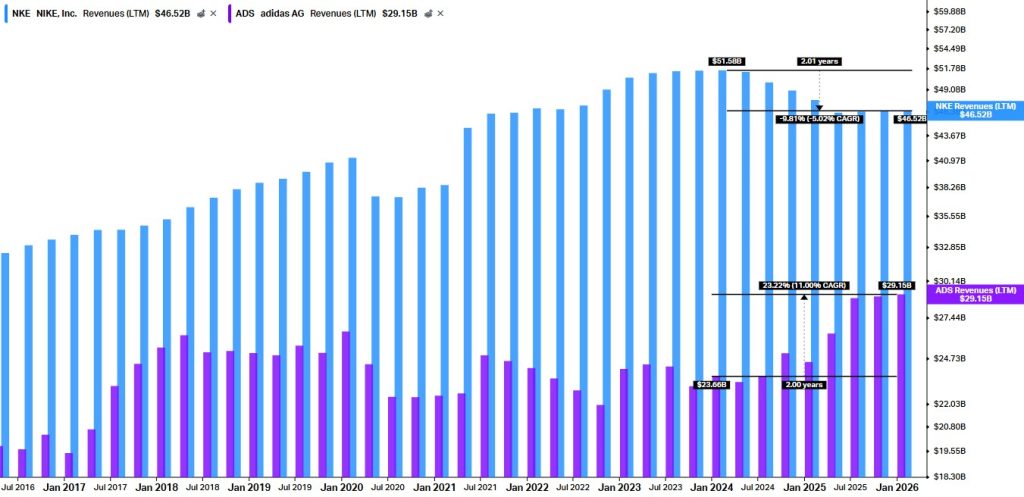
Over time, as the cost of products rises, consumers inevitably hit a threshold of affordability. When this occurs alongside a decline in product quality—often a misguided attempt to maintain margins—the consequences can be dire. Price hikes that once fueled growth can lead to a sharp decrease in sales volume. This phenomenon is particularly evident in Nike’s recent performance, as the brand has witnessed a significant drop in revenues, losing ground to competitors like Adidas, which has seen its sales grow substantially.
A critical turning point for Nike was its decision to pivot towards a Direct-to-Consumer (DTC) model. This strategy aimed to eliminate intermediaries such as wholesalers and retailers, thereby increasing profit margins and cultivating direct relationships with consumers. Initially, this approach appeared successful, allowing Nike to capitalize on its brand strength. However, the company’s subsequent choice to sever ties with major wholesalers to push its DTC agenda proved detrimental. Retailers, left with empty shelves, quickly sought alternative brands to fill the void, exposing consumers to new options that may even offer better quality at lower prices.
As the pandemic initially masked the brand’s struggles, the post-COVID landscape has revealed the extent of Nike’s challenges. The company has seen a decline in sales by approximately 5% year-over-year, while competitors like Adidas have experienced growth rates of 11% in the same timeframe. This shift highlights a crucial turning point: once consumers explore alternative brands, regaining their loyalty becomes an uphill battle.
Moreover, the repercussions of a bloated cost structure have exacerbated Nike’s woes. The company has been slow to adapt its operational model to align with market realities, and as profits continue to dwindle, they can no longer sustain such inefficiencies. The decline in Nike’s earnings per share reflects a troubling trend that showcases the impact of negative operating leverage on an already faltering bottom line.
For traders and investors, Nike’s situation serves as a cautionary tale. The brand’s storied past may have led many to assume its future is secure; however, the shifting consumer landscape and competitive dynamics necessitate a more cautious outlook. Investors should consider the importance of maintaining product quality and consumer loyalty, as well as the risks associated with aggressive pricing strategies that alienate customers.
Key takeaways from this situation highlight the importance of adaptability in business. Companies must remain attuned to consumer preferences and market trends, ensuring that they do not sacrifice quality for short-term profit. Additionally, the consequences of severing established relationships with wholesalers and retailers can be far-reaching, impacting long-term brand loyalty and revenue streams.
In conclusion, Nike’s journey from a powerhouse brand to one facing significant challenges underscores the complexities of maintaining success in a competitive market. The company’s experience serves as a reminder that prioritizing revenue over quality can lead to unforeseen consequences. As Nike navigates this turbulent chapter, stakeholders should closely monitor the brand’s efforts to regain consumer trust and adapt to the evolving landscape. The lessons learned from this narrative will undoubtedly resonate with companies across industries, emphasizing the necessity of balance between profit and customer satisfaction in sustaining success over the long haul.