
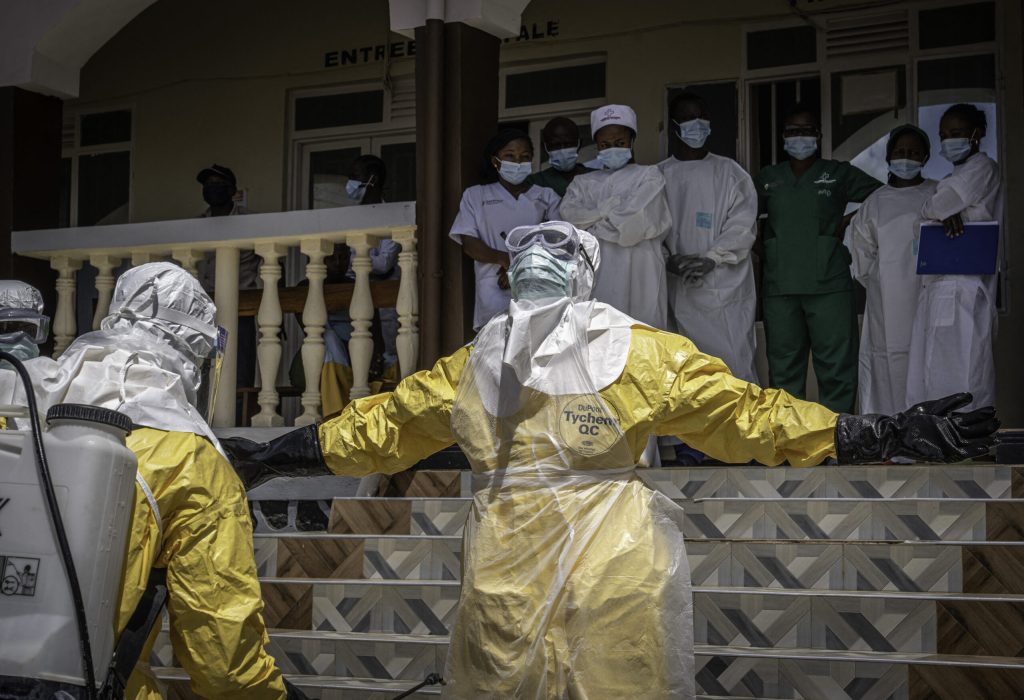
The most recent outbreak of Ebola in the Democratic Republic of Congo (DRC) has raised serious concerns not only for public health but also for the economic stability of the region. According to a recent assessment by the United Nations Development Programme (UNDP), the implications of this outbreak are profound, with potential losses exceeding $1 billion to the DRC’s economy alone. This situation could lead to almost a million individuals being pushed into poverty, while also threatening the economic fabric of neighboring countries. As the situation continues to unfold, understanding the broader impacts of the outbreak is crucial for traders, investors, and policymakers alike.
The outbreak was officially declared on May 15, marking the beginning of what experts describe as a “complex development emergency.” Unlike localized medical crises, this situation intertwines public health with socioeconomic factors, creating a multifaceted challenge. The UNDP report outlines that even if the virus remains primarily within the borders of the DRC and Uganda—where the death toll has reached at least 440—the wider African economy could suffer an estimated loss of $2.37 billion. These losses would stem from various disruptions such as trade interruptions, delays in transportation, and stricter border controls.
One alarming scenario indicates that if the outbreak escalates further due to geopolitical tensions or supply chain disruptions, economic losses could potentially reach as high as $3.6 billion. The implications of the outbreak extend well beyond health concerns. Ahunna Eziakonwa, the UN assistant secretary-general and regional director for Africa, emphasized that “Ebola does not stop at the hospital gate.” The virus affects multiple sectors, including livelihoods, education, food security, trade, public finances, and social trust.
The DRC is currently contending with the Bundibugyo strain of Ebola, which presents unique challenges since there is currently no approved vaccine or specific treatment for this variant. Health authorities are employing a multi-faceted approach to combat the spread, relying on rapid diagnosis, contact tracing, supportive clinical care, and community engagement. However, logistical and operational hurdles persist, complicating efforts to contain the outbreak.
Recent developments have raised concerns about the outbreak’s potential to spread beyond the official zones of infection. Reports indicate that infected individuals have traveled to the Haut-Uele province, which borders South Sudan, exacerbating fears of a wider epidemic. In an unsettling instance, the body of a pregnant woman who had succumbed to the virus was transported over 180 miles by motorcycle without recognition of the infection, leading to further confirmed cases in the Tshopo province.
Ituri province remains the epicenter of this crisis, accounting for over 90% of confirmed infections. The increasing number of cases is straining local healthcare resources, with treatment facilities operating beyond capacity. For example, the International Medical Corps has reported that its 60-bed Ebola treatment center in Bunia is currently treating 75 confirmed and suspected patients while preparing to expand to accommodate 80 beds. The situation is dire, as laboratory testing in Ituri has revealed a positivity rate exceeding 63%, with 69 positive cases out of 109 samples analyzed.
As the outbreak continues, key takeaways emerge for traders and investors. Firstly, the economic fallout from health crises such as Ebola can be severe and far-reaching, affecting not only the immediate vicinity but also neighboring regions. Investors should closely monitor the situation, as a protracted outbreak could lead to longer-term economic instability, impacting supply chains and market confidence.
Additionally, sectors such as healthcare, pharmaceuticals, and logistics could see fluctuations in demand and valuations based on the perceived severity of the outbreak. Companies operating in these industries may find opportunities for growth through increased investment in healthcare solutions and technologies designed to combat infectious diseases.
In conclusion, the ongoing Ebola outbreak in the Democratic Republic of Congo represents a significant public health emergency with serious economic implications. The potential loss of over $1 billion to the DRC’s economy, coupled with the risk of widespread poverty and regional instability, underscores the need for urgent and effective responses. As the situation develops, stakeholders must remain vigilant and responsive, recognizing that health crises can have cascading effects that extend far beyond the immediate health concerns. For traders and investors, the complexities of such scenarios highlight the importance of integrating health considerations into economic and investment strategies.