
In the intricate tapestry of South African politics, the Democratic Alliance (DA) finds itself at a crossroads. As the nation’s second-largest political entity, the DA is grappling with its role within the ruling coalition, a situation that arises in the wake of unprecedented changes in the political landscape. The DA’s recent commitment to fostering broader consultation within the coalition government signals a strategic shift aimed at strengthening its influence while maintaining stability in governance. This blog post delves into the implications of these developments both for the DA and for the broader political environment in South Africa.
The backdrop to this political maneuvering is significant. The DA joined the government of national unity two years ago, a decision spurred by the African National Congress (ANC) losing its parliamentary majority in the 2024 elections—an event that marked a historic turning point since the end of apartheid. The coalition was seen as a necessary measure to prevent the rise of more radical populist forces and to maintain a semblance of stability in governance. However, the partnership has not been without its challenges. Disputes over pivotal policy areas such as taxation, land reform, and education have led to tensions between the DA and the ANC, with the DA frequently accusing its coalition partner of neglecting to involve them in key decision-making processes.
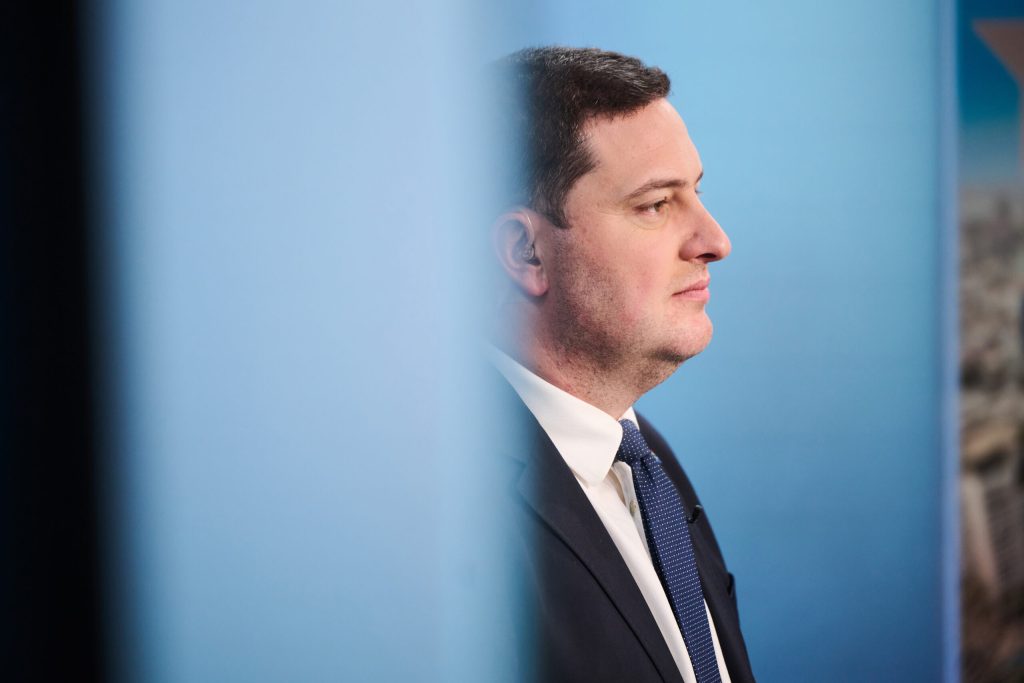
In a recent address, Geordin Hill-Lewis, the newly elected leader of the DA, emphasized the need for more extensive consultations within the coalition. His statement comes on the heels of a cabinet reshuffle that underscored his authority and intentions to solidify the DA’s position within the coalition. During this reshuffle, he made significant changes, including demoting his predecessor, John Steenhuisen. This move not only reflects Hill-Lewis’s intent to assert his leadership but also signals a potential shift in the DA’s approach to governance and collaboration within the coalition.
The crux of Hill-Lewis’s argument is that the DA must remain vocal and active in discussions surrounding government policies, particularly when it comes to critical issues affecting the populace. He stated, “The DA will not remain silent when the ANC refuses to consult,” highlighting the party’s commitment to ensuring that its voice is heard in the corridors of power. By advocating for a more inclusive decision-making process, Hill-Lewis aims to not only bolster the DA’s influence but also to push for policies that align with its principles and the needs of its constituents.
Key takeaways from Hill-Lewis’s address include the importance of coalition dynamics in governance, the need for clear communication and collaboration, and the potential consequences of political decisions on future elections. The DA’s insistence on consultation could reshape how policies are developed and implemented, fostering a more democratic process even within the constraints of a coalition government. This commitment also reflects a broader trend in contemporary politics, where collaboration and compromise are essential for maintaining stability in diverse political environments.
For investors and traders, understanding the implications of these political developments is crucial. Political stability is often a precursor to economic stability, and the DA’s proactive stance could indicate a willingness to engage in policies that promote growth and investment. Investors should monitor how the DA’s push for greater consultation influences legislative outcomes, particularly in areas like taxation and land reform that have historically affected market dynamics in South Africa.
Moreover, the DA’s commitment to preventing the rise of populist alternatives suggests a focus on maintaining a business-friendly environment, which could be reassuring for both domestic and foreign investors. As the political landscape continues to evolve, staying informed about these developments will be key for making sound investment decisions.
In conclusion, the Democratic Alliance’s recent strategic moves within South Africa’s ruling coalition reflect a nuanced understanding of the current political climate. By advocating for broader consultation and asserting its influence, the DA positions itself as a pivotal player in shaping the future of governance in the country. For investors, the implications of these political shifts could be significant, as they navigate the complexities of a coalition government that is both fragile and essential for maintaining stability in a diverse nation. As the political scene unfolds, stakeholders must remain attentive to how these dynamics will affect economic policies and market conditions moving forward.