
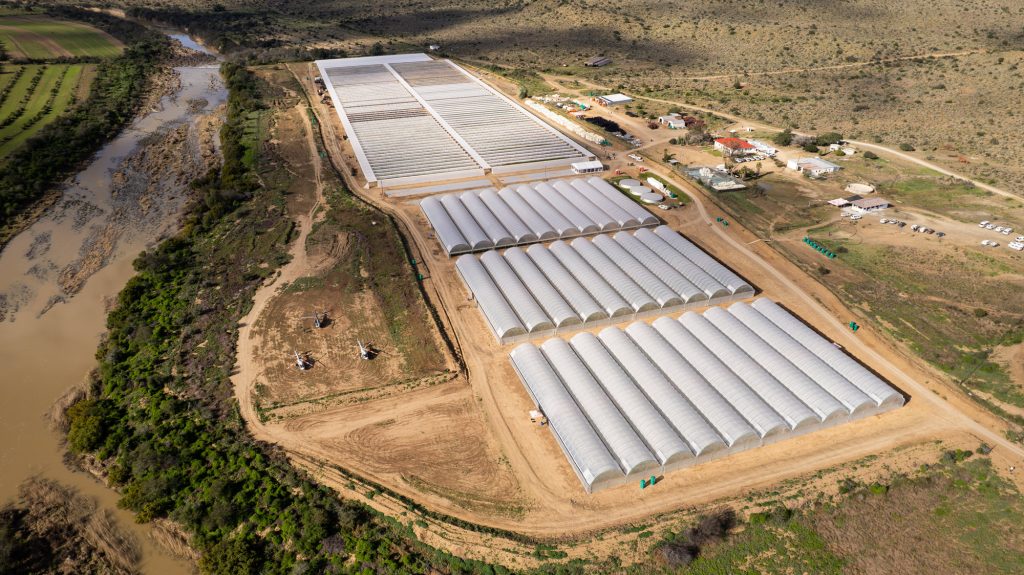
In a significant stride toward environmental sustainability and economic development, Amazon has unveiled plans for a transformative investment in one of the largest nature-based restoration projects globally. The company is set to rehabilitate over 50,000 hectares of degraded land in South Africa’s Eastern Cape, with plans to plant an astonishing 180 million spekboom shrubs. This ambitious initiative is not just an environmental endeavor; it is poised to create approximately 11,000 jobs by the year 2030 and generate an estimated economic value exceeding $500 million (over R8 billion) for local communities. This blog post explores the implications of Amazon’s investment, its potential impact on local economies, and what traders and investors should take away from this development.
At its core, Amazon’s investment highlights a growing trend among corporations to engage in nature-based solutions that not only address climate change but also foster economic growth. The project aims to combat the effects of land degradation while promoting biodiversity through the planting of spekboom, a native succulent known for its remarkable capacity to absorb carbon dioxide. As a result, this initiative is set to restore ecosystems and enhance the resilience of landscapes against the challenges posed by climate change and drought.
In terms of economic impact, the initiative is expected to create a substantial number of jobs, providing livelihoods for thousands of individuals in the region. This job creation is particularly vital for local communities, which often face economic challenges. By integrating environmental restoration with local workforce development, Amazon’s project serves as a model for how corporate investments can yield both ecological and economic benefits.
One of the standout features of this initiative is Amazon’s commitment to purchasing 1.95 million tonnes of carbon removal credits generated by the project. This move marks one of the most significant carbon credit commitments in South Africa’s history and underscores the increasing demand from multinational corporations for high-quality carbon offset solutions. The carbon credits produced will not only reflect the environmental benefits achieved through reforestation but will also provide measurable economic advantages to the communities involved.
Kara Hurst, Amazon’s Chief Sustainability Officer, emphasized that this investment story is about “nature, community, ingenuity, and scale.” The initiative is positioned within the larger context of the global market for nature-based carbon credits, where companies are increasingly recognizing the dual importance of reducing emissions and supporting local economies. As the world grapples with the pressing need for climate action, projects like this demonstrate how corporate responsibility can intersect with community development.
For traders and investors, this initiative raises several key points to consider. Firstly, the growing emphasis on sustainability and environmental stewardship is reshaping investment landscapes. Companies that prioritize nature-based solutions and align their strategies with environmental objectives are likely to attract more interest from investors who are increasingly focused on socially responsible investments. This shift not only reflects changing consumer preferences but also acknowledges the financial risks associated with climate change.
Moreover, Amazon’s investment serves as a signal to other corporations about the potential of integrating sustainability into core business strategies. As more firms look to invest in carbon credits and environmental restoration projects, there is an opportunity for investors to identify and support companies that are leading the charge in sustainability. This trend could lead to the emergence of a new asset class focused on nature-based investments, offering financial returns alongside positive environmental outcomes.
In conclusion, Amazon’s commitment to rehabilitating land and investing in local economies through nature-based solutions is a groundbreaking initiative that exemplifies the intersection of environmental sustainability and economic development. By creating jobs and generating economic value while addressing climate change, Amazon is setting a precedent for corporate responsibility that could inspire other businesses to follow suit. For investors and traders, this investment highlights the importance of aligning financial strategies with sustainable practices, presenting opportunities for growth in a rapidly evolving market. As the world continues to grapple with environmental challenges, initiatives like this stand as a testament to the potential for innovative solutions that benefit both the planet and local communities.