
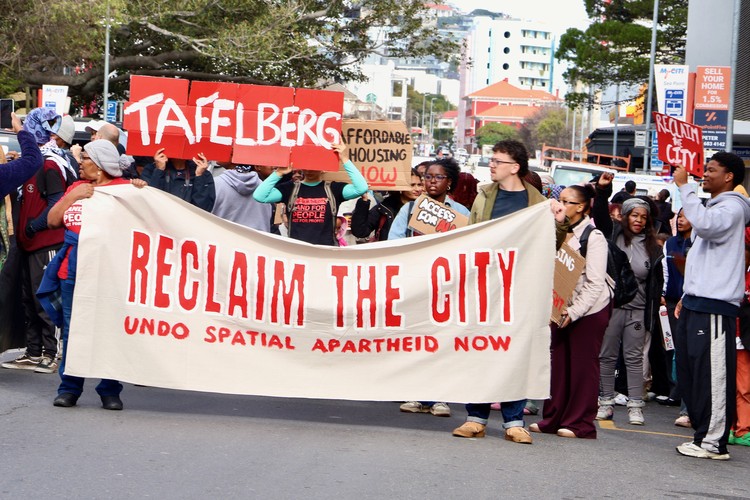
In a pivotal moment for housing rights in South Africa, activists and community members in Cape Town are celebrating a landmark ruling from the Constitutional Court regarding the Tafelberg school site. This decision, which mandates the City of Cape Town and the Western Cape government to fulfill their constitutional duty to provide affordable housing, marks a significant shift in the landscape of urban housing policy. As the echoes of joy from activists resonate, it is essential to delve into the implications of this ruling, the journey that led to it, and its potential impact on housing equity in urban centers.
The Tafelberg case has been a long and arduous journey for activists, spanning nearly a decade of advocacy and legal challenges. At the heart of the matter was the provincial government’s controversial decision to sell the former Tafelberg School site in Sea Point, a location that many believe should serve the community’s needs rather than the interests of private developers. The ruling by the Constitutional Court overturned this sale and directed that the site be repurposed for social housing and government services, aimed at families earning between R3,500 and R22,000 a month. This decision signals a commitment to addressing the growing housing crisis in urban areas, where rising costs have pushed many residents to the fringes of city life.
The implications of the Tafelberg judgment extend beyond the immediate availability of affordable housing; it embodies a broader mandate for spatial justice and access to land for all South Africans, particularly those from historically marginalized communities. Sheila Madikana, one of the leading voices in the fight for affordable housing, articulated the sentiments of many when she stated, “We can’t be pushed out to the periphery.” This statement captures the essence of the struggle against gentrification and the systemic inequities that plague urban planning.
Key takeaways from this ruling highlight the court’s emphasis on the responsibility of local governments to ensure equitable access to housing and land. The judgment reinforces the notion that housing is not merely a commodity but a fundamental human right that must be safeguarded by the state. As Disha Govender, former head of the Ndifuna Ukwazi Law Centre, noted, this victory is significant not only for Cape Town but for the nation as a whole, as it sets a precedent for future cases concerning housing rights.
For traders and investors, the Tafelberg case serves as a reminder of the increasing importance of social responsibility in real estate and urban development. The ruling indicates a shift towards prioritizing community needs over profit motives, which could influence future investments in urban areas. Investors may need to reassess the sustainability of projects that do not consider the socio-economic dynamics at play, especially in cities facing housing shortages and social unrest. The demand for affordable housing solutions is likely to grow, presenting opportunities for developers who are willing to engage in socially responsible projects that align with community goals.
In conclusion, the Constitutional Court’s judgment regarding the Tafelberg site is a watershed moment for housing rights in South Africa. It not only cancels a controversial sale but also reinforces the government’s obligation to provide affordable housing in well-located areas. This ruling has the potential to reshape the urban landscape of Cape Town, empowering communities to reclaim their rights to space and accessibility. As activists, residents, and policymakers navigate the implications of this decision, the hope for a more equitable and just urban environment grows stronger. The journey toward affordable housing is far from over, but the Tafelberg case stands as a testament to the power of collective action and the enduring fight for social justice.