
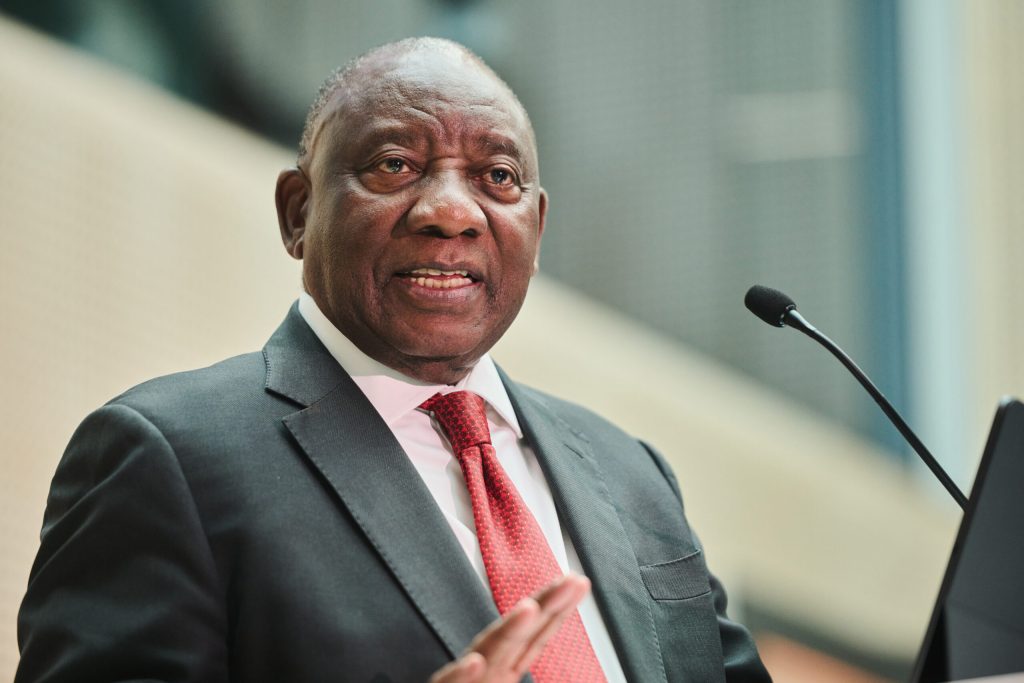
In the heart of Africa, a crisis unfolds that demands immediate attention and action from the global community. South African President Cyril Ramaphosa, currently serving as the head of the African Union’s pandemic response, has sounded the alarm for urgent financial and medical assistance to combat the ongoing Ebola outbreak in the Democratic Republic of Congo (DRC). With a staggering 440 lives lost and over 770 confirmed cases, the situation is dire, particularly in the conflict-ridden Ituri province, which has become the epicenter of this health crisis. As calls for aid grow louder, it is essential to understand the financial implications and the broader context surrounding this outbreak.
The urgency of the situation cannot be overstated. President Ramaphosa has appealed for the swift conversion of $1.5 billion in pledged assistance into tangible support, including financing, technical resources, and urgently needed medical supplies. The outbreak, caused by the rare Bundibugyo strain of Ebola, poses significant challenges, especially as there is currently no approved vaccine or specific treatment for this variant of the virus. The international community must rise to the occasion to ensure that these pledges translate into actionable help on the ground.
One of the most pressing issues complicating the response to this outbreak is the ongoing conflict in the region. Health workers face immense risks in their efforts to reach affected communities, making access to medical care difficult. President Ramaphosa’s call for a ceasefire highlights the need for stability to facilitate the delivery of humanitarian assistance, healthcare workers, and essential medical supplies. The safety of these frontline workers is paramount; they are putting their lives on the line to save others and should not have to endure violence, stigma, or fear in the process.
Key takeaways from this situation extend beyond the immediate health implications. The financial commitments made by international partners are critical to stemming the tide of this outbreak. Rapid mobilization of funds is necessary not only for medical interventions but also for community outreach and education to combat misinformation and stigma surrounding the virus. The potential economic impact of a widespread Ebola outbreak could be severe, affecting local economies, international trade, and tourism in the region. Swift action is required to avert a catastrophe that could have ripple effects throughout the continent and beyond.
For traders and investors, this situation presents both risks and opportunities. On one hand, the instability in the DRC could lead to market volatility, particularly in sectors reliant on stability such as mining or agriculture. Investors may need to reassess their exposure to the region and consider the potential for disruptions in supply chains. On the other hand, there are opportunities for investment in healthcare initiatives, medical technology, and logistics companies that specialize in delivering aid in crisis situations. The need for innovative solutions to address health crises is more pressing than ever, and those who can navigate these challenges may find avenues for growth.
In conclusion, the Ebola outbreak in the Democratic Republic of Congo is a humanitarian crisis that transcends borders and requires a unified response from the global community. As President Ramaphosa emphasized, it is crucial to convert pledges into actionable support that can save lives and stabilize the region. The financial implications of this crisis are significant, touching on health, economics, and international relations. For investors and traders, understanding the dynamics at play can offer insights into both risks and opportunities in a rapidly changing environment. As we stand at this critical juncture, the call for action is clear: we must prioritize the health and safety of vulnerable populations while also considering the broader economic implications of our response. The time to act is now.