
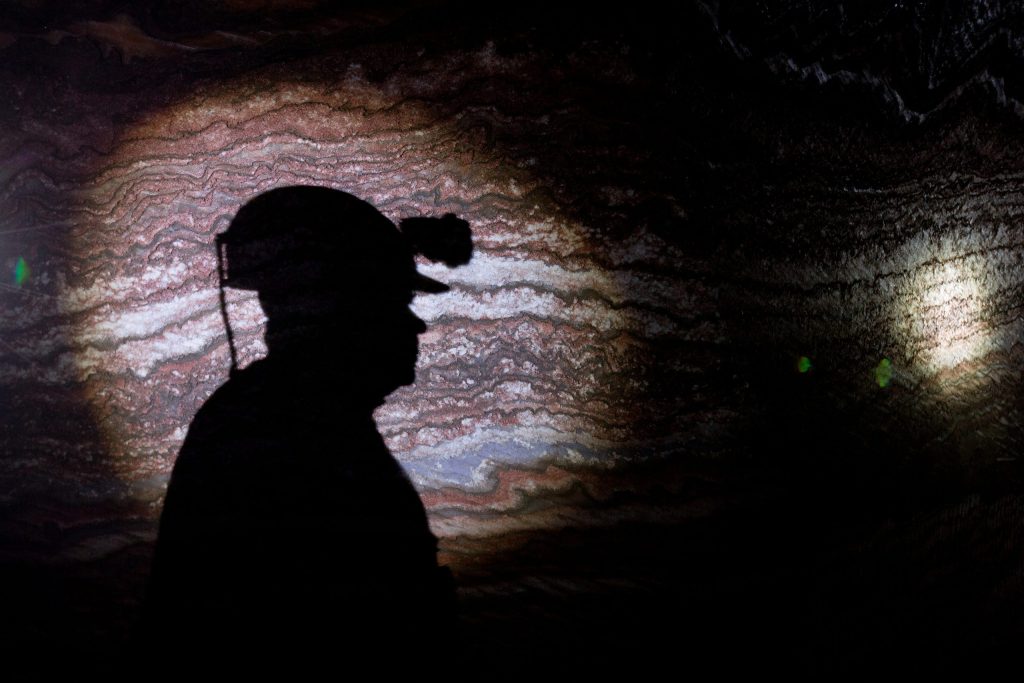
In recent years, the plight of gold mineworkers in South Africa has garnered significant attention, particularly concerning the devastating impact of silicosis and tuberculosis (TB) caused by working in hazardous conditions. The establishment of the Tshiamiso Trust represents a crucial step toward providing much-needed financial relief to those affected by these occupational diseases. With a substantial fund of R5 billion set up through a landmark class action settlement, the Trust aims to compensate mineworkers who have suffered or lost their lives due to these illnesses. However, navigating the claims process has proven to be challenging, raising important questions about its effectiveness and the future of compensation for affected workers.
The Tshiamiso Trust was established in 2020 following a significant legal settlement involving six major gold mining companies in South Africa. It was designed to provide compensation to mineworkers who either developed silicosis or TB or to their dependents in cases of death caused by these diseases. As of June 30, 2023, the Trust has disbursed R2.7 billion in compensation, but only 17% of claims have been successfully paid out. This relatively low percentage can be attributed to various factors, including a high rate of medical ineligibility among claims and ongoing evaluations of numerous others.
Among the claims submitted, approximately 47% have been deemed medically ineligible, while another 34% remain pending examination. This leaves a significant number of claims in limbo, indicating that the process is far from straightforward. The Trust has assured mineworkers and their families that they can continue to file claims until December 10, 2029, providing a window of opportunity for those who may have yet to come forward. Notably, the region of Lesotho has emerged as the largest beneficiary of the claims to date, with around R1 billion disbursed to former mineworkers from that country, followed by R621 million to those from South Africa’s Eastern Cape.
Dr. Munyadziwa Kwinda, the CEO of the Tshiamiso Trust, recently emphasized the importance of encouraging eligible individuals to come forward and submit their claims without delay. He highlighted the need for former mineworkers and their families to be proactive, particularly those who were previously found medically ineligible but whose health has deteriorated since their initial assessments. The Trust remains committed to ensuring that deserving individuals receive the compensation they are entitled to.
One of the primary challenges in the claims process has been the submission of incomplete applications. Many claims submitted by the families of deceased mineworkers have faced hurdles due to insufficient documentation. In particular, death certificates often fail to specify silicosis or occupational TB as the cause of death, complicating the validation of claims. In response to this issue, the Trust has amended its rules to allow the submission of medical certificates that can better establish the cause of death. However, this change has led to an unfortunate rise in fraudulent claims, prompting the Trust to tighten its verification processes.
To combat fraud, the Trust now requires medical certificates to be certified copies of the original documents, authenticated by authorized personnel, and compliant with World Health Organization standards. Furthermore, former mineworkers are no longer able to rely solely on Occupational Diseases in Mines and Works Act (ODMWA) certificates from the medical bureau for their claims. Instead, they must undergo a Benefit Medical Examination, which is the only recognized medical assessment under the Trust’s guidelines.
Recent amendments introduced by the Trust aim to expand eligibility for compensation, particularly for widows and dependents of deceased mineworkers. While many deceased workers had X-rays indicating lung damage, they may not have completed the necessary lung-function tests, which could limit their families’ ability to claim compensation. This adjustment reflects the Trust’s commitment to ensuring that more individuals receive the support they need.
In conclusion, the Tshiamiso Trust stands as a critical initiative aimed at providing financial justice for mineworkers affected by silicosis and TB. While the compensation process has encountered numerous challenges, the Trust’s ongoing efforts to streamline claims and enhance verification processes are commendable. For traders and investors, the implications of such initiatives extend beyond social responsibility; they signal a growing recognition of the need for corporate accountability in the mining sector. As the deadline for claims approaches, it is crucial for affected individuals to act swiftly while remaining informed about the evolving requirements. The Trust’s commitment to justice for mineworkers is a hopeful sign that, despite the obstacles, progress can still be made in addressing the historical injustices faced by this vulnerable population.