
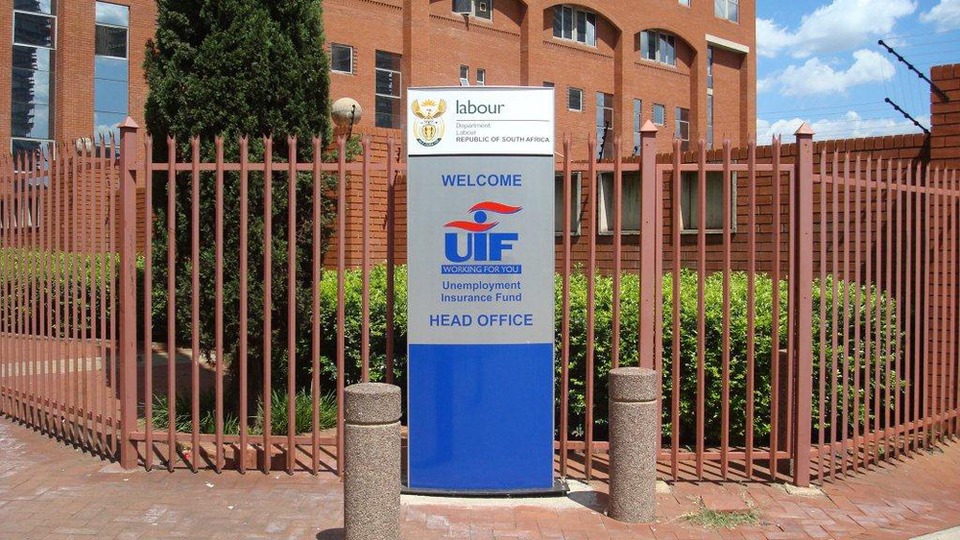
The Unemployment Insurance Fund (UIF) in South Africa is currently at the center of a storm, with mounting calls for reform and accountability. This fund, which is designed to provide vital financial support to workers who find themselves unemployed or unable to work due to various reasons, including illness and parental leave, is facing scrutiny over its governance and operational inefficiencies. As the situation unfolds, it’s crucial for stakeholders, including traders and investors, to understand the implications of these developments on the labor market and the broader economy.
In recent weeks, the Department of Employment and Labour has remained tight-lipped regarding suggestions that the UIF be placed under administration. This reluctance to comment comes despite escalating concerns from various business organizations, notably Business Unity South Africa (Busa). Busa has taken a significant step by withdrawing from UIF structures at the National Economic Development and Labour Council (Nedlac) and discontinuing its involvement with the UIF board. This move is aimed at protecting the integrity of its representatives and reinforcing a commitment to sound governance.
The crux of the issue lies in the perceived dysfunction within the UIF. Calls for an independent administrator to take charge and a forensic investigation into the fund’s expenditures have emerged, as stakeholders seek to address longstanding allegations of poor governance. The UIF’s struggles with inefficiencies, backlogs in claims processing, and accusations of maladministration have raised alarm bells. In fact, the labour federation Cosatu had previously urged President Cyril Ramaphosa to intervene, a sentiment echoed by other major unions and political groups this year.
However, the Department of Employment and Labour has indicated that no formal request has been submitted to the President for intervention. Teboho Thejane, a spokesperson for the department, noted that procedural protocols must be followed before any action can be taken. If such a request were to materialize, it would likely be directed back to the Employment and Labour Minister, Nomakhosazana Meth, for further consideration.
The implications of this situation are profound. The UIF plays a critical role in providing short-term financial relief to workers, especially during economic downturns. When the fund is not functioning optimally, it can exacerbate hardships for unemployed individuals and their families, potentially leading to a ripple effect across the economy. The withdrawal of Busa from the UIF structures is a significant signal that the business community is losing confidence in the current governance of the fund, which could have longer-term repercussions on employment and economic stability.
Key points to consider include the fact that the UIF is not merely an administrative body; it serves as a critical safety net for millions of South Africans. Its inefficiencies could lead to delayed payments for those in dire need, further straining the economic fabric of the country. Moreover, the lack of clarity and decisive action from government officials raises questions about accountability and the effectiveness of existing labor laws.
For traders and investors, the ongoing instability within the UIF and the broader labor market can evoke caution. Economic indicators tied to employment rates, consumer spending, and overall economic health may be influenced by the fund’s ability to provide timely support to unemployed workers. A lack of confidence in labor market institutions could, in turn, affect investment decisions and market performance.
Investor insights suggest that keeping abreast of developments related to the UIF and labor governance reforms is essential. Stakeholders should monitor statements from the government, labor unions, and business associations to gauge the potential for policy changes that could impact the labor market. Understanding the interconnectedness of labor policies and economic performance can help investors make informed decisions in an increasingly volatile environment.
In conclusion, the current crisis surrounding the Unemployment Insurance Fund highlights significant governance and operational challenges that require urgent attention. The response from the Department of Employment and Labour, coupled with the actions of organizations like Busa, reflects deep-seated concerns about the fund’s efficacy in supporting South African workers. As the situation develops, it is imperative for all stakeholders, including traders and investors, to remain vigilant and engaged, as the outcomes could have far-reaching implications for the country’s economy and workforce stability.