
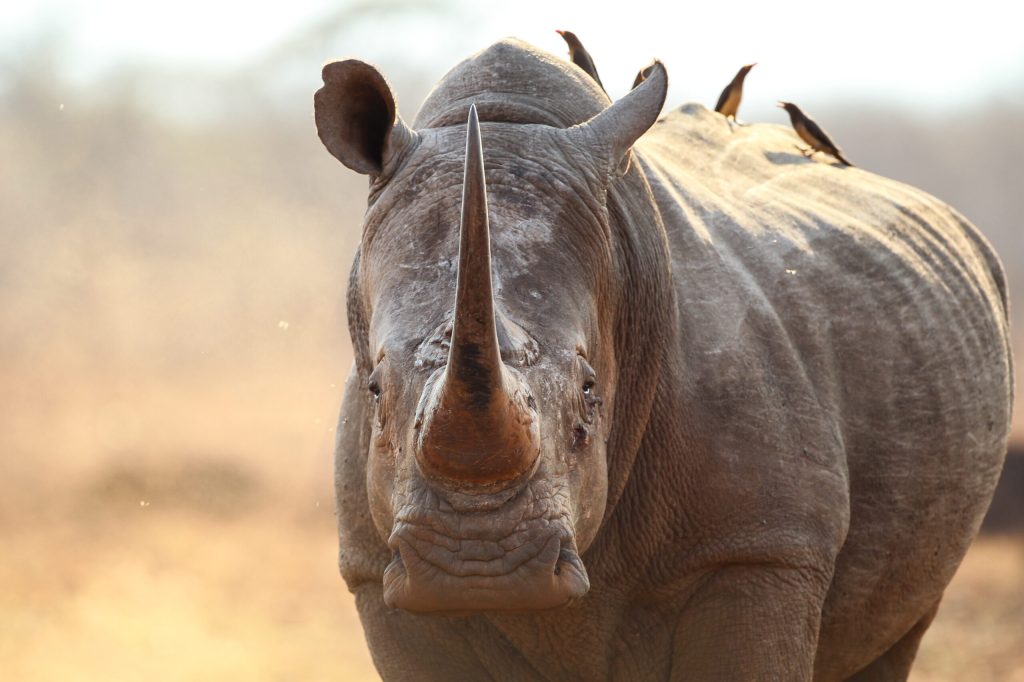
In a landmark ruling, the Northern Cape High Court in South Africa dismissed the government’s appeal to overturn a decision that permits the export of rhino horns sourced from captive rhinos. This ruling has ignited a heated debate around wildlife conservation, the ethics of animal breeding, and the ongoing crisis of poaching in the country. With the fate of these iconic animals hanging in the balance, it is crucial to understand the implications of this decision on both the conservation landscape and the broader market dynamics surrounding rhino horn trade.
The core of the controversy lies in the demand for rhino horns, which are believed to possess medicinal properties, particularly in parts of East Asia. The argument put forth by Wicus Diedericks, a prominent rhino farmer who owns a facility housing 450 rhinos, is that allowing the legal sale of these horns could provide much-needed financial resources to support conservation efforts. Diedericks asserts that the ability to engage in legal international trade of ethically sourced horns would empower private breeders and conservationists to sustain their high-cost protection efforts against poaching and habitat loss. This perspective highlights a complex intersection between economic opportunity and ethical responsibility in wildlife management.
The South African government, on the other hand, has taken a firmer stance against the exportation of rhino horns, citing the risk of exacerbating an already dire poaching crisis. The country has seen a tragic increase in rhino poaching over the past decade, driven largely by the high value of rhino horns on the black market. The government’s position underscores the belief that legalizing the trade could send mixed signals, potentially increasing demand and making it more difficult to combat illegal poaching activities.
This debate is not merely academic; it has real-world consequences for the conservation of rhinos and the ecosystems they inhabit. The dismissal of the government’s appeal may open the door for further commercialization of rhino horn, igniting a potential market that could either help fund conservation efforts or lead to more exploitation of these animals. Understanding the potential outcomes of this ruling is essential for investors and traders interested in the wildlife conservation sector.
Key takeaways from this ruling and its implications include:
1. **Economic Incentives for Conservation**: The legal sale of rhino horns may provide a financial avenue for private breeders to fund conservation activities, creating a model where economic viability and wildlife protection can coexist.
2. **Risks of Increased Demand**: The government’s fears that legalizing horn exports could lead to increased demand are valid. If demand rises, it could encourage illegal poaching and worsen the plight of rhinos in the wild.
3. **Ethical Considerations**: The ethics of breeding animals for their parts is a significant concern. Many conservationists argue that prioritizing financial gain over the welfare of the animals could lead to further moral dilemmas and public backlash.
4. **Market Dynamics**: The potential for a legal rhino horn market raises questions about regulation, pricing, and the impact on the black market. Stakeholders need to consider how this trade would be monitored and controlled.
5. **Long-term Conservation Strategies**: This ruling highlights the need for comprehensive strategies that address both poaching and the economic realities of conservation. Creating sustainable models that benefit local communities while protecting wildlife is essential.
For traders and investors, the implications of this ruling extend beyond conservation. Understanding the legal landscape and market dynamics surrounding wildlife trade can present unique investment opportunities. However, with the potential for volatility and ethical concerns, due diligence is paramount. Engaging with organizations and stakeholders in the conservation space can provide insights into the sustainability of investments tied to wildlife.
In conclusion, the Northern Cape High Court’s decision to uphold the legality of rhino horn exports from captive animals is a pivotal moment in South Africa’s wildlife conservation narrative. While it promises economic opportunities for private conservationists, it simultaneously raises serious ethical and practical questions about the future of rhinos and the broader ecosystem. As stakeholders navigate these complexities, finding a balance between economic realities and ethical wildlife management will be crucial for the future of conservation efforts in South Africa and beyond.