
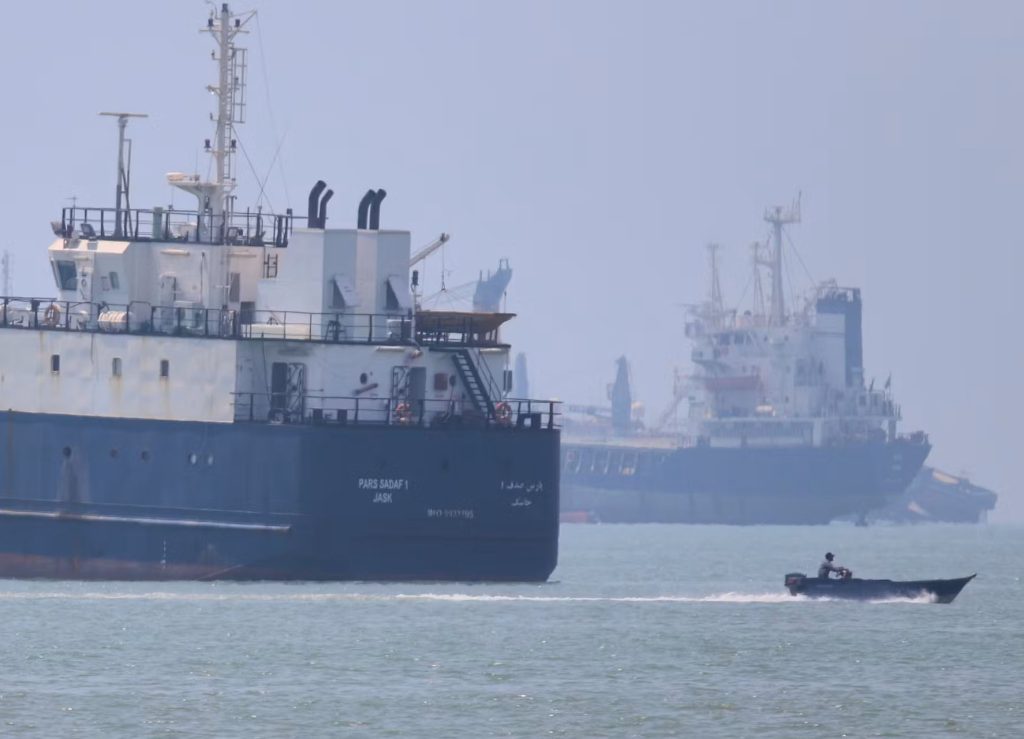
In recent months, the Strait of Hormuz has become a focal point of geopolitical tension, particularly between the United States and Iran. As the stakes rise, understanding the economic ramifications of these conflicts is critical for investors, traders, and global stakeholders. The strait, a narrow passage that is essential for international shipping, has seen increased military activity, drone strikes, and threats of tolls on merchant vessels. This situation invites scrutiny and analysis of potential outcomes that could significantly impact global markets.
The Strait of Hormuz serves as a vital corridor for approximately 20% of the world’s oil supply, making it a key player in global trade and energy markets. The recent escalation in hostilities, marked by Iranian attacks on commercial vessels and retaliatory strikes from the U.S., has raised alarms about the safety of shipping routes and the stability of oil prices. The prospect of Iran enforcing tolls on vessels transiting the strait has emerged as a pressing concern, prompting questions about the legality and feasibility of such actions.
To grasp the situation fully, it is essential to appreciate the context of the ongoing conflict. Iran has been under increasing pressure from the U.S. and its allies, leading to aggressive posturing and military tactics aimed at asserting control over the strait. Iran’s recent drone strikes on a cargo ship highlight its willingness to use force to defend its interests. This aggressive approach has not only threatened shipping safety but has also caused significant disruptions to commercial traffic, with reports indicating that over 40 merchant vessels have been targeted since the conflict escalated.
The interim peace deal negotiated recently, which features a promise from Iran to ensure the safe passage of vessels for a limited time, raises additional concerns. While it theoretically provides a framework for cooperation, the language used suggests a potential for future tolls. Iran’s commitment to “best efforts” in securing transit without charges for 60 days may not guarantee long-term safety or free passage.
One of the critical takeaways from this situation is the legal status of the Strait of Hormuz under international maritime law. According to the United Nations Convention on the Law of the Sea, the strait is classified as an international waterway, granting vessels the right to transit without obstruction. Moreover, sections of the strait fall under Omani waters, complicating any unilateral attempts by Iran to impose tolls on passing ships. The established traffic separation schemes, designed to ensure safe navigation in busy channels, further underline the impracticality of Iran’s ambitions to enforce tolls.
From a practical standpoint, the notion of Iran implementing a toll system on the Strait of Hormuz is fraught with challenges. Unlike controlled waterways such as the Suez and Panama Canals, which are narrow and lie within a single nation’s jurisdiction, the Strait of Hormuz is a vast body of water with significant international traffic. The ability to monitor and enforce toll collections in such a dynamic environment is highly questionable. Additionally, the current state of insecurity, marked by Iran’s attacks on vessels, has already led to a substantial decline in shipping activity through the strait.
For traders and investors, these developments signal a period of heightened risk in global markets, particularly in the energy sector. The uncertainty surrounding oil supply chains may lead to increased volatility in oil prices, affecting everything from gasoline costs to inflation rates. Moreover, companies reliant on maritime trade must weigh the risks of navigating through contested waters, potentially seeking alternative routes or modes of transport.
In conclusion, the escalating tensions in the Strait of Hormuz illustrate the intricate connections between geopolitical dynamics and economic stability. While Iran’s ambitions to control this strategic artery raise valid concerns about future tolls and shipping safety, international law and practical realities make the enforcement of such measures unlikely. As the situation unfolds, stakeholders must remain vigilant and adaptable, recognizing that even minor disruptions in this crucial corridor can have far-reaching consequences for global trade and economic health. Understanding these complexities is essential for making informed decisions in an increasingly volatile environment.