
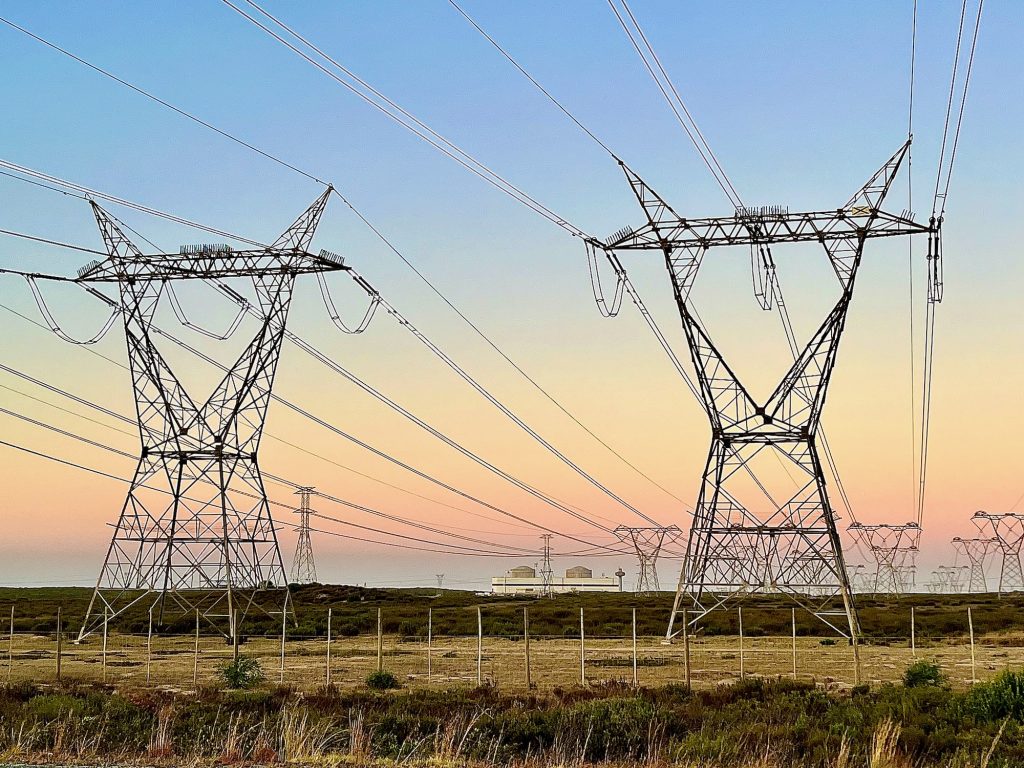
As winter blankets South Africa, the nation faces an escalating crisis compounded by the soaring costs of electricity. The average municipal electricity tariff saw a significant hike of 9% on July 1, 2023, following an earlier increase by Eskom in April. For millions of South Africans, especially those already grappling with financial strain, these tariffs represent more than just a number—they reflect a harsh reality where basic needs like warmth and food are increasingly unattainable.
The issue of rising electricity costs is not merely an economic statistic; it is a pressing social concern that affects the quality of life for many families across the country. With electricity prices increasing at a rate six times faster than inflation since 2007, the implications are dire. A staggering proportion of the population—over a third—lives below the poverty line, where monthly expenses are limited to just R1,109. For these individuals, the decision to pay for electricity often comes at the expense of other essential needs.
Electricity Tariffs and Their Impact
The relentless climb in electricity prices is forcing many households to make heart-wrenching choices. As Shelton Damon, a casual worker from the West Coast, shares, the purchasing power of consumers has drastically diminished. Where R50 once bought 50 units of electricity, it now yields a mere 18 units. The stark reality is that families are returning to outdated and unsafe methods for cooking and heating water, such as candles, firewood, and paraffin stoves. These alternatives not only pose health risks but also increase the likelihood of devastating fires, particularly in informal settlements.
The COVID-19 pandemic exacerbated existing economic pressures, with families already forced to cut back on groceries and essential services. The Southern African Faith Communities Environmental Institute (SAFCEI) conducted a survey during this period that revealed the depth of these struggles. Many households reported sacrificing basic needs, including meals for their children, transportation, and even personal hygiene items.
Municipalities face their own challenges, as they often deduct money owed for other services from the prepaid electricity purchases of residents, further complicating the issue. This means consumers are receiving less electricity than they anticipate for their money, which only aggravates the burden on already strained budgets.
Government Initiatives and Their Limitations
In response to the growing crisis, the South African government has put forth initiatives such as the Free Basic Electricity (FBE) program aimed at assisting vulnerable households. However, this program only reaches approximately one in five of the households that qualify, leaving a significant gap in support. As of 2024, only two million out of ten million eligible households benefited from this scheme, as reported by the electricity minister, Kgosientsho Ramakgopa. There are discussions to increase the monthly allowance from 50kWh to 150kWh for indigent households, but as highlighted by the Public Affairs Research Institute, even the current allocation only offers minimal support—termed “survival access.”
Key Takeaways
1. Rising electricity tariffs are significantly impacting the financial health of South African households, forcing them to make difficult choices between essential services.
2. The current economic climate exacerbated by the COVID-19 pandemic has led to increased reliance on unsafe alternatives for electricity.
3. Government initiatives like the Free Basic Electricity program are insufficient in scope and reach, leaving many vulnerable households without adequate support.
Insights for Traders and Investors
For traders and investors, the situation presents both a challenge and an opportunity. The rise in electricity tariffs could lead to increased operational costs for businesses, particularly those reliant on power-intensive processes. Investors in the energy sector should monitor shifts in government policies and consumer behavior closely, as these will have far-reaching implications for energy demand and supply dynamics. Moreover, companies that focus on renewable energy solutions may find fertile ground for growth as consumers and businesses alike seek alternatives to traditional power sources.
Conclusion
The increasing burden of electricity costs is a stark reminder of the challenges faced by millions of South Africans. As tariffs continue to rise, it becomes crucial for both policymakers and investors to address these issues holistically. Without significant intervention and support, many families will continue to grapple with the harsh realities of choosing between basic necessities and the means to power their homes. The conversation around energy affordability is not only about numbers; it is about lives that are affected every day. As we navigate these turbulent times, the call for sustainable solutions has never been more urgent.