
In an increasingly interconnected global economy, the unseen heroes of maritime trade often go unnoticed. As geopolitical tensions escalate, the individuals tasked with transporting vital goods across international waters face unprecedented challenges. This blog post explores the realities of life at sea during times of conflict, highlighting the experiences of seafarers and the critical role they play in sustaining global commerce.
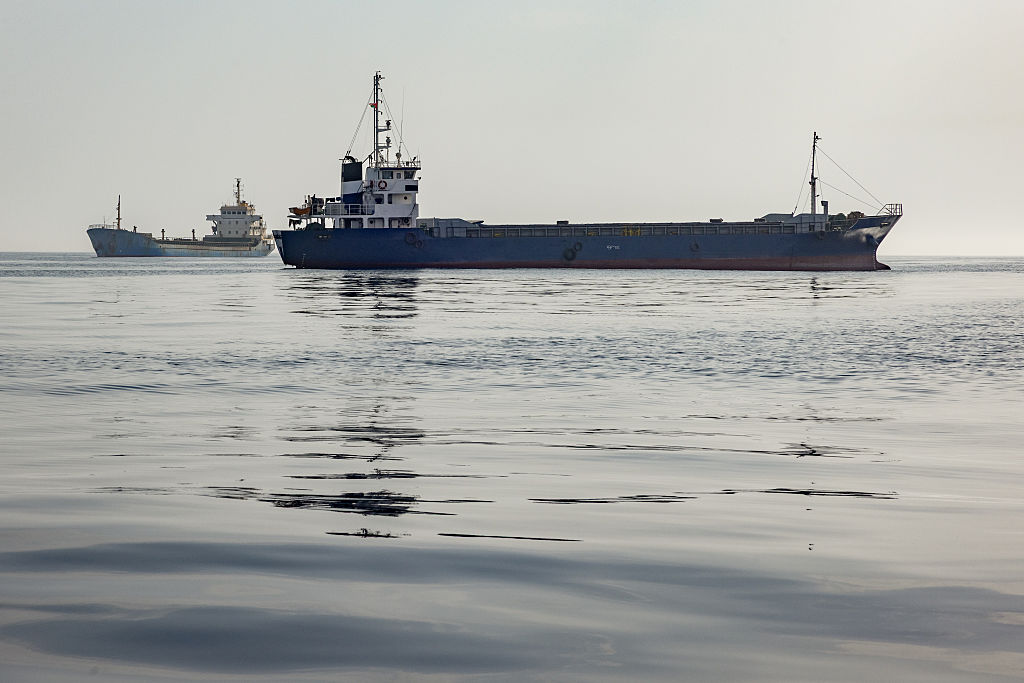
Abhijit Chopra, a seasoned captain of a crude oil tanker, recently found himself anchored in the Persian Gulf, surrounded by uncertainty and anticipation. When news broke of a potential peace deal between the U.S. and Iran, his phone buzzed with messages from family and friends, eager to share the optimistic development. Yet, Chopra’s excitement was tempered by the somber reality of his circumstances. For over four months, he and his crew of 21 had been confined to their vessel, grappling with the psychological toll of isolation and the looming threat of conflict.
The crew initially faced an avalanche of emotions ranging from fear to boredom. As the days stretched on, they sought solace in each other’s company, bonding over karaoke nights and celebrating cultural festivals like Holi, even while their future remained uncertain. Such camaraderie provided a much-needed distraction, but it also underscored the psychological burden of living in a high-stakes environment.
The Strait of Hormuz, a vital maritime corridor for oil transport, became a focal point of tension. Despite glimmers of hope that the strait might reopen, the reality of ongoing attacks on vessels soon overshadowed any optimism. “When they said the Strait of Hormuz was open, we were a bit optimistic that the vessel might transit,” Chopra reflected, highlighting the mixed emotions of seafarers caught in a geopolitical standoff. The crew’s disappointment was palpable when they realized that their wait would extend indefinitely.
According to the International Maritime Organization (IMO), approximately 11,000 seafarers from around the world found themselves stranded in the Gulf due to the conflict. These individuals, often hailing from lower-income nations, put their lives on the line to ensure the continuity of global trade. A report from the World Bank emphasizes that more than 80% of global goods are transported by sea, accounting for around 70% of total trade value. The importance of these individuals cannot be overstated; they are the backbone of international commerce, working tirelessly to keep the wheels of the economy turning.
The average seafarer’s life is fraught with challenges, from long periods away from home to the unpredictable nature of maritime work, especially in conflict zones. The majority of the global maritime workforce is recruited from countries like the Philippines and India, where economic opportunities may be limited. For many, the chance to work on a ship represents a lifeline for their families back home. “Ultimately, we are just ordinary people. We are fathers, we are sons, we are husbands who are staying for months out at sea carrying out a duty,” Chopra stated poignantly, reminding us of the human element behind every shipment of goods.
As the world grapples with the complexities of international relations and trade, the plight of seafarers serves as a stark reminder of the human cost of our globalized economy. These men and women endure significant risk, often navigating through war-torn waters, all to ensure that essential goods reach their destinations. Their commitment and sacrifice are crucial to maintaining the flow of trade and, by extension, the stability of economies worldwide.
For traders and investors, understanding the dynamics of maritime trade is essential. Political instability in key shipping lanes can lead to fluctuations in oil prices and disrupt supply chains, impacting markets globally. As tensions rise, savvy investors should consider the potential risks associated with maritime operations and the broader implications for trade. Monitoring geopolitical developments and their potential effects on shipping routes can provide valuable insights for making informed investment decisions.
In conclusion, the story of Abhijit Chopra and his crew encapsulates the often-overlooked challenges faced by seafarers in today’s volatile geopolitical landscape. Their unwavering dedication and resilience are critical to keeping global trade alive, even amid uncertainty. As we continue to rely on maritime transport for our daily needs, it is imperative to acknowledge and honor the sacrifices made by those who work tirelessly at sea. In doing so, we not only recognize their humanity but also the intricate web of interdependence that sustains our modern world.