
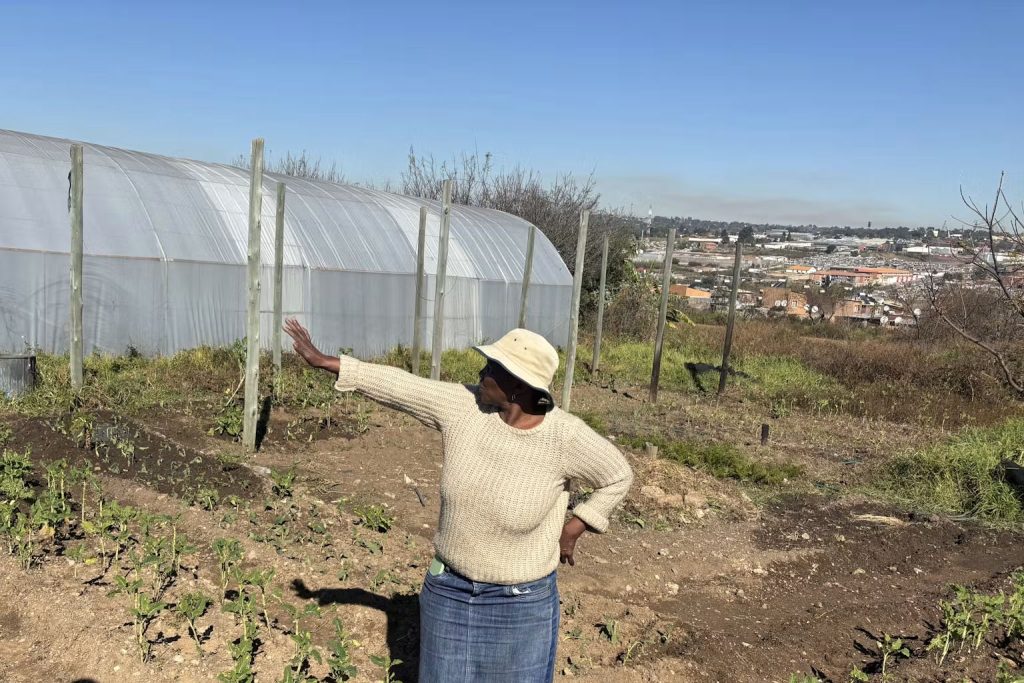
As cities continue to expand and populations grow, the challenge of food insecurity becomes increasingly pressing. Urban agriculture, the practice of cultivating, processing, and distributing food within city limits, has emerged as a promising solution to this issue. Not only does it address food security, but it also contributes to environmental sustainability and climate resilience. This blog post delves into the various facets of urban agriculture, its benefits, key insights from recent studies, and what it means for traders and investors in the agricultural sector.
Urban agriculture encompasses a variety of practices, including vertical farming, rooftop gardens, and community gardening. These methods utilize available urban spaces to grow food, often incorporating innovative techniques that maximize yield while minimizing environmental impact. The movement is gaining traction globally, as city dwellers increasingly recognize the potential of local food production to alleviate hunger and foster greener cities.
Recent research has shed light on the transformative potential of urban gardening, particularly in areas facing socio-economic challenges. A study conducted in Alexandra township, Johannesburg, South Africa, investigated how home and community gardens can bolster household food security while simultaneously enhancing urban greening efforts. This research involved interviews with 40 gardeners, primarily women from diverse backgrounds, who have been engaged in farming for over a decade. Their experiences highlight not only the practical benefits of urban agriculture but also its role in fostering community bonds and resilience.
One of the standout findings from the Alexandra study was the size and productivity of community gardens compared to individual household gardens. Community gardens, often larger and more collaborative, provided a platform for neighbors to work together towards a common goal. Participants grew a variety of crops, including leafy greens like spinach and kale, as well as herbs and root vegetables. These gardens not only served to supply fresh produce to families but also supported communal kitchens aimed at feeding vulnerable populations such as the homeless and orphaned children.
Despite the positive impacts of urban gardening, the research identified significant gaps in support that hinder the potential of these initiatives. Many urban farmers lack access to essential resources such as funding, training, and basic services that could enhance their productivity and resilience to climate change. To address these challenges, it is crucial for governments and organizations to invest in urban agriculture. This includes promoting sustainable practices such as organic farming and composting, as well as leveraging technology to improve irrigation systems and market access. For instance, smart irrigation technologies can help optimize water usage, a critical consideration given the increasing frequency of climate-related droughts.
The insights gained from the study in Johannesburg extend beyond the local context, resonating with urban agriculture initiatives worldwide. Many urban farmers are not explicitly gardening with climate change in mind; however, their practices contribute significantly to coping with environmental pressures. By increasing local food production, communities can reduce their reliance on distant food sources, thereby decreasing carbon footprints associated with transportation and distribution.
For traders and investors, the rise of urban agriculture represents a unique opportunity. The growing demand for locally-sourced food is prompting a shift in consumer preferences towards sustainable and organic products. This trend is likely to continue, making urban agriculture an attractive sector for investment. Sustainable practices not only appeal to environmentally-conscious consumers but can also lead to cost-effective production methods over time.
In conclusion, urban agriculture is more than just a response to food insecurity; it is a multifaceted approach that has the potential to transform urban landscapes into greener, more sustainable environments. By fostering community connections and promoting food independence, urban farming practices can create resilient systems capable of withstanding climate change. As stakeholders, including governments, organizations, and investors, begin to recognize the value of urban agriculture, there lies a significant opportunity to cultivate a more sustainable future. The path forward requires collaboration, investment, and a commitment to supporting those who are at the forefront of this vital movement.