
In the complex landscape of South Africa’s industrial economy, the narrative often centers around large corporations—mining giants, energy providers, and major fuel suppliers. However, a critical segment that warrants attention is the small and medium-sized enterprises (SMEs) that significantly contribute to the economy. These enterprises are not merely participants in a larger system; they are essential players that enhance the robustness and efficiency of supply chains across various sectors, including mining, logistics, and construction. In this blog post, we will explore the indispensable role of SMEs in South Africa’s industrial economy, highlighting their agility, responsiveness, and strategic importance.
The landscape of South Africa’s economy is characterized by a multitude of sectors that rely heavily on the seamless flow of goods and services. When major industries face disruptions, whether due to fuel shortages or delays in lubricant supplies, the repercussions can be severe, leading to costly downtime and operational inefficiencies. This is where SMEs shine, stepping in to provide solutions swiftly and efficiently.
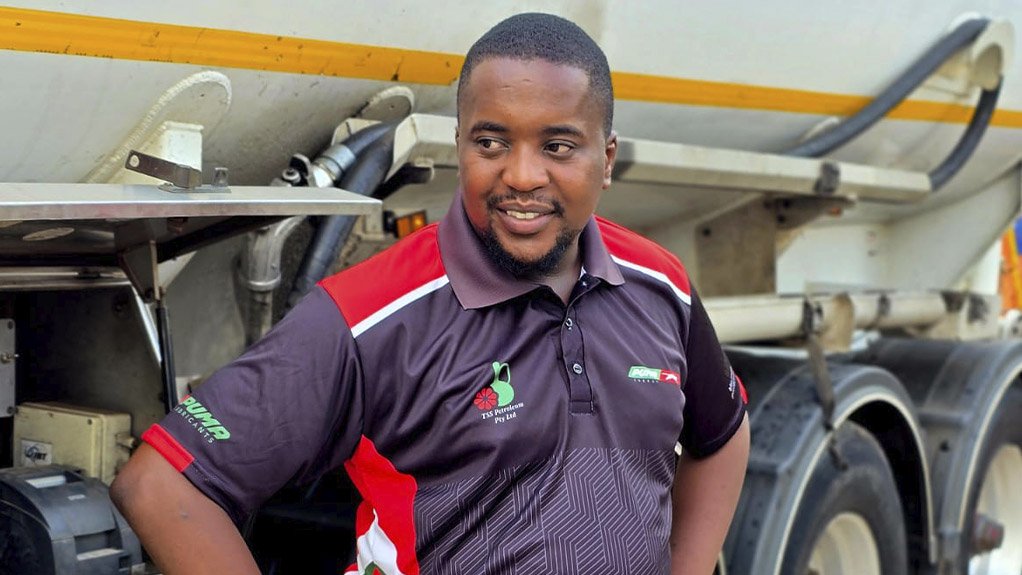
Faith Madoda, the founder and CEO of TSS Petroleum Group, has been vocal about the pivotal role SMEs play in the industrial sector. His company, an authorized distributor of Puma Energy lubricants, caters to industrial and commercial clients throughout South Africa. According to Madoda, the reliability of supply is paramount in this industry. Any delay in fuel or lubricant delivery can halt operations, resulting in immediate financial losses. SMEs, with their nimble structures and strong client relationships, often possess the capability to respond far more rapidly than larger corporations bogged down by bureaucratic processes.
Madoda emphasizes that SMEs should be regarded as strategic partners rather than mere service providers in the industrial landscape. He believes that these enterprises form the “last-mile” link in supply chains, ensuring that essential materials reach the end-users without unnecessary delays. Strengthening the role of SMEs within these supply chains is not just a matter of fostering economic development; it is crucial for enhancing overall productivity within the economy.
The need for industrial diversification and development in regions like Kuruman, where Madoda’s business is based, is another critical aspect of the discussion. He envisions transforming Kuruman into a vibrant industrial hub, comparable to Johannesburg. This vision aligns with concerns raised in reports from the Industrial Development Corporation (IDC), which forecast that regions like Kuruman could face significant economic decline if proactive measures are not taken. Madoda’s commitment to industrializing the local economy reflects a broader necessity for SMEs to adapt and thrive in a changing economic landscape.
However, the challenges facing SMEs are multifaceted. Limited access to procurement opportunities often hinders their ability to compete for larger contracts. Additionally, working capital constraints can stifle growth and innovation. Political instability, particularly in regions such as the Middle East, adds another layer of complexity, impacting fuel prices and operational costs. Madoda recalls a period when diesel prices surged to R34 or R35 per litre, forcing transporters to reduce speeds and consequently, fuel consumption. Such fluctuations not only affect operational efficiency but also influence customer ordering patterns, creating a ripple effect throughout the supply chain.
Despite these challenges, there is a glimmer of hope as fuel prices have recently stabilized, providing some relief to SMEs and their clients. As the economy evolves, the role of SMEs will become even more critical, especially as industries seek to enhance resilience against external shocks.
Key Takeaways:
1. SMEs are integral to the functioning of South Africa’s industrial economy, providing essential services that large corporations may struggle to offer promptly.
2. The reliability and responsiveness of SMEs make them valuable partners in maintaining efficient supply chains.
3. The vision for industrial diversification and development in regions like Kuruman highlights the need for SMEs to engage proactively in economic transformation.
4. Challenges such as access to procurement, working capital, and external market fluctuations must be addressed to enable SMEs to thrive.
For traders and investors, understanding the dynamics of SMEs is essential. Investing in SMEs can yield significant returns, not only financially but also in terms of contributing to economic resilience. Supporting SMEs can create a more balanced economy, enabling faster recovery from disruptions and fostering innovation.
In conclusion, the importance of small and medium-sized enterprises in South Africa’s industrial economy cannot be overstated. Their agility, responsiveness, and strategic value make them crucial for ensuring the stability and efficiency of supply chains. As the nation navigates its economic challenges, recognizing and empowering SMEs will be key to fostering a robust industrial landscape capable of weathering uncertainties. By investing in and partnering with these enterprises, stakeholders can contribute to a more resilient and prosperous economy.