
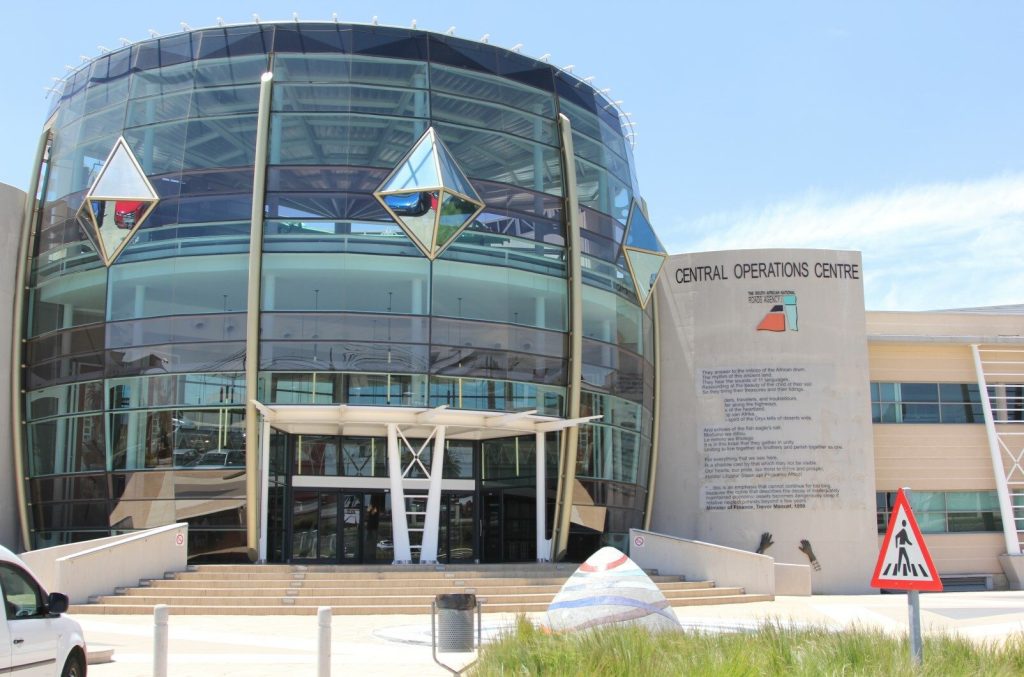
In recent times, the South African National Roads Agency (Sanral) has found itself at the center of public scrutiny due to serious procurement irregularities that have come to light. With a new board at the helm, Sanral is pledging to reform its procurement processes and restore public trust. This blog post delves into the agency’s ongoing efforts to address these issues, the implications for stakeholders, and what investors and traders should keep an eye on as changes unfold.
The topic of procurement within state agencies is crucial, especially in a country where infrastructure development plays a pivotal role in economic growth. Sanral’s procurement practices have been criticized following a series of high court reviews that exposed significant flaws in how contracts were awarded. These irregularities not only tarnished the agency’s reputation but also raised concerns about mismanagement and corruption at various levels.
In response to these revelations, Lwando Mahlasela, Sanral’s media relations manager, confirmed that the agency is committed to adhering to the principles of law, good governance, transparency, and accountability. The new leadership is making it a priority to review the findings from recent court applications and to implement changes that will prevent similar issues from occurring in the future. This commitment is seen as a necessary step towards rebuilding credibility with stakeholders, including the general public, contractors, and investors.
A significant part of the reform process involves a thorough investigation into the procurement irregularities that have been identified. Sanral is currently analyzing the root causes of these issues, which range from human errors and misunderstandings to more serious allegations of misconduct. It is crucial that these investigations are conducted with diligence, ensuring that all conclusions are based on solid evidence rather than premature assumptions.
The agency has also indicated that it may pursue self-review applications to reassess and potentially cancel tender awards that were marred by irregularities. This proactive approach highlights Sanral’s willingness to take responsibility for past actions and to ensure that the procurement environment is fair and just.
Key takeaways from the current situation include:
1. **Commitment to Reform**: Sanral’s new leadership is dedicated to overhauling the procurement system, emphasizing transparency and accountability.
2. **Ongoing Investigations**: A comprehensive investigation is underway to uncover the extent of the irregularities and to determine the necessary corrective actions.
3. **Focus on Consequence Management**: The agency acknowledges the need for disciplinary actions against any individuals found to have engaged in misconduct.
4. **Importance of Independent Oversight**: Calls for an independent forensic investigation underline the need for external validation of the agency’s reform efforts.
Wayne Duvenage, the CEO of Organisation Undoing Tax Abuse (Outa), has expressed optimism regarding the new Sanral board, suggesting that it represents a significant improvement over its predecessor. He believes that the new leadership is genuinely committed to addressing past transgressions and implementing necessary changes. Duvenage advocates for a thorough investigation into all irregularities, urging the board to reverse any detrimental changes made by the former board and to hold accountable those involved in corrupt activities.
For traders and investors, the unfolding developments at Sanral present both challenges and opportunities. A more transparent and accountable procurement process could enhance investor confidence in infrastructure projects, potentially leading to increased investment in public works. Furthermore, any reforms that lead to greater efficiency and reduced corruption could positively impact the overall economic landscape.
However, it is essential to remain vigilant. Investors should monitor the outcomes of the ongoing investigations and the effectiveness of the new board’s reforms. Any delays or setbacks in implementing these changes could signal deeper issues within the agency and could have ramifications for future contracts and projects.
In conclusion, Sanral’s commitment to reforming its procurement processes is a significant step towards restoring trust and accountability within the agency. As investigations continue and new policies are enacted, stakeholders must remain engaged and proactive in advocating for transparency. The path ahead may be fraught with challenges, but with a renewed focus on good governance, there is hope for a more competent and reliable Sanral that can contribute positively to South Africa’s infrastructure development and economic growth.