
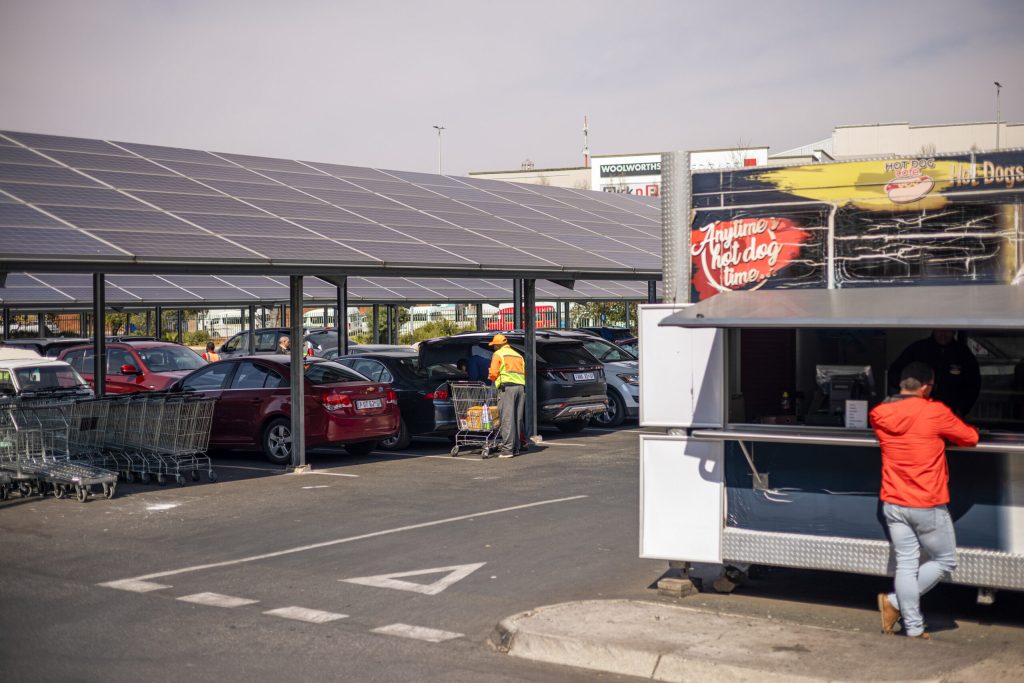
In South Africa, a profound shift is taking place in the energy sector, spurred by years of unreliable electricity supply and soaring costs. This change is not just a response to frustration; it represents a significant transformation where companies are stepping up to secure their energy futures. With the state-owned utility Eskom struggling to provide consistent power, businesses are increasingly turning to renewable energy solutions to mitigate risks and reduce costs.
The backdrop of this transition is a long history of rolling blackouts, often referred to as load shedding, which have plagued South Africa for nearly two decades. This phenomenon occurs when the demand for electricity exceeds the supply, forcing Eskom to cut power to prevent a total collapse of the national grid. As a result, many businesses have realized that relying solely on Eskom and the failing municipal infrastructure is no longer a viable option. Instead, they are harnessing market reforms to invest billions of rand in renewable energy sources, fundamentally changing the landscape of electricity provision in Africa’s largest economy.
At the heart of this energy revolution is the recognition that the electricity market in South Africa is transitioning from a state monopoly to a more liberalized environment. Companies across various sectors—including mining, real estate, retail, and healthcare—are taking proactive measures to decrease their dependence on Eskom. Recent reports indicate that at least 40 major firms plan to expand their renewable energy initiatives by 2026, signaling a clear commitment to sustainability and self-sufficiency.
One of the notable players in this evolving landscape is Impala Platinum Holdings, the world’s second-largest producer of platinum. Faced with the challenges of power supply constraints, Impala Platinum has been reevaluating its operational strategies. In collaboration with Discovery Green, a renewable energy trading platform launched by the insurer Discovery, the company is exploring innovative solutions. Through a process known as wheeling, Impala Platinum can purchase clean electricity from independent producers, which is then channeled into the national grid. This allows the company to draw an equivalent amount of electricity for its operations, providing a reliable alternative to Eskom’s unpredictable supply.
The shift towards renewable energy is not solely driven by economic factors; it also aligns with broader environmental goals. Companies like Impala Platinum recognize that sustainability is not just a buzzword but a necessity in today’s business landscape. Tsakani Mthombeni, the Sustainable Development Executive at Impala Platinum, emphasized that the decision to invest in renewable energy stems from a convergence of factors, including climate responsibility, operational safety, and cost-effectiveness. The ongoing electricity supply challenges in South Africa pose significant risks to operational safety and production capabilities, making reliable renewable energy sources a critical component of future planning.
For investors and traders observing this transformation, several key points emerge. Firstly, the move towards renewable energy presents a unique investment opportunity. As businesses increasingly adopt sustainable practices, companies that are at the forefront of this trend may benefit from enhanced reputations and reduced operational costs. Additionally, investors should consider the potential for growth in the renewable energy sector itself, as the demand for innovative energy solutions continues to rise.
Moreover, the ongoing changes in South Africa’s energy landscape could influence investment strategies on a broader scale. As companies shift their energy procurement strategies, traditional power utilities may face challenges in maintaining their market dominance. This could lead to a revaluation of energy-related stocks and the emergence of new leaders in the energy sector, particularly those that prioritize renewable sources and sustainability.
In conclusion, the evolution of South Africa’s power sector marks a significant departure from decades of reliance on a state monopoly. Businesses are taking charge of their energy futures by investing in renewable sources, thereby reducing their dependence on Eskom and mitigating risks associated with unreliable electricity supply. This shift not only promises to enhance operational resilience but also aligns with global sustainability goals. As the energy landscape continues to evolve, stakeholders should remain vigilant, as the implications for investors, traders, and the broader economy will be profound and far-reaching. The journey toward a more sustainable and reliable energy future in South Africa is just beginning, and it presents an array of opportunities for those willing to engage with this transformative movement.