
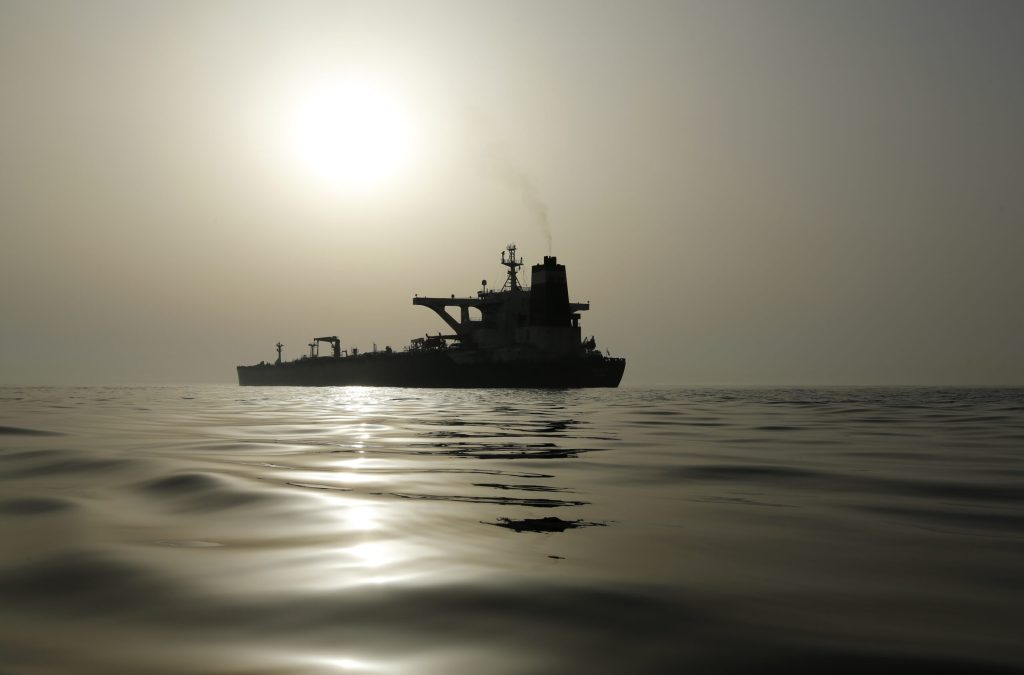
In the wake of geopolitical tensions, the oil market often faces disruptions that ripple through the global economy. One of the most recent examples of this phenomenon is unfolding in the Persian Gulf, where the United Arab Emirates (UAE) has adopted unconventional shipping strategies to ensure the continued flow of crude oil, even amidst the chaos of war. This blog post delves into the UAE’s innovative logistics maneuvers, the role of key players such as Ga-Hyun Chung and his Sinokor Group, and the wider implications for investors and traders in the energy sector.
At the outset of the war, the Strait of Hormuz—a critical chokepoint for global oil transportation—became a focal point of tension and uncertainty. Recognizing the potential for disruption, the UAE began implementing covert strategies to secure its oil exports. These tactics are not typically associated with nations that enjoy a stable relationship with international markets. Instead, they resemble methods employed by countries facing sanctions, exposing the lengths to which the UAE was willing to go to maintain its oil output.
The UAE’s successful strategy hinged on the ability to transport oil “dark,” meaning that vessels would navigate without broadcasting their locations via transponders. This typically involved operating under the cover of darkness, a tactic that allowed ships to evade potential threats while offloading their cargo onto larger tankers stationed outside the strait. This clandestine operation was not a one-off endeavor; it required a fleet of vessels capable of making these risky transits repeatedly. For this, the UAE turned to the shipping magnate Ga-Hyun Chung and his company, Sinokor Group.
Chung, a relatively private figure in the industry, emerged as a pivotal player in the tanker market during the early months of the conflict. As reported by Bloomberg, he engaged in an aggressive acquisition spree that positioned Sinokor as a significant owner of supertankers. By June, nearly half of the crude oil shipments from the UAE were being transported on vessels controlled by Sinokor. This strategic partnership not only helped the UAE ramp up its oil exports but also capitalized on the surging tanker rates that resulted from the increased demand for oil transportation amidst the turmoil.
The operational strategies employed by the UAE and facilitated by Sinokor illustrate the complex interplay between geopolitics and economics. As the UAE sought to maintain its export levels, it was not merely trying to preserve its national interests; it was also looking to take advantage of the soaring oil prices that characterized the early days of the conflict. The ability to navigate the Strait of Hormuz with such agility provided the UAE with a competitive edge over its Gulf neighbors, who faced more significant challenges in maintaining their oil flows.
Moreover, the success of this covert operation highlights the potential for profitability in the shipping sector during times of crisis. With oil prices fluctuating and shipping rates soaring, companies like Sinokor found themselves in an advantageous position. Their participation in these covert operations created a lucrative opportunity for both Chung and his co-owner, Italian shipping giant MSC Group. The dynamics of tanker markets have shifted dramatically, and shipbrokers indicate that this could be one of the most profitable years for the industry.
For traders and investors, the developments in the oil shipping sector present both opportunities and risks. The unconventional methods employed by the UAE could lead to volatility in oil prices, especially if geopolitical tensions escalate further. Investors should closely monitor trends in tanker rates, shipping logistics, and the broader implications of geopolitical developments on energy markets.
In conclusion, the UAE’s strategic maneuvers to maintain its oil exports during a time of significant geopolitical turmoil underscore the resilience and adaptability of nations in the face of crisis. The collaboration between the UAE and Sinokor demonstrates the intricate relationships that can emerge in the shipping industry, revealing how unconventional tactics can lead to success even in the darkest of times. As the global energy landscape continues to evolve, traders and investors must remain vigilant, ready to navigate both the opportunities and challenges that arise from these shifting dynamics. The oil market remains a complex web of relationships where strategy, timing, and adaptability can make all the difference.