
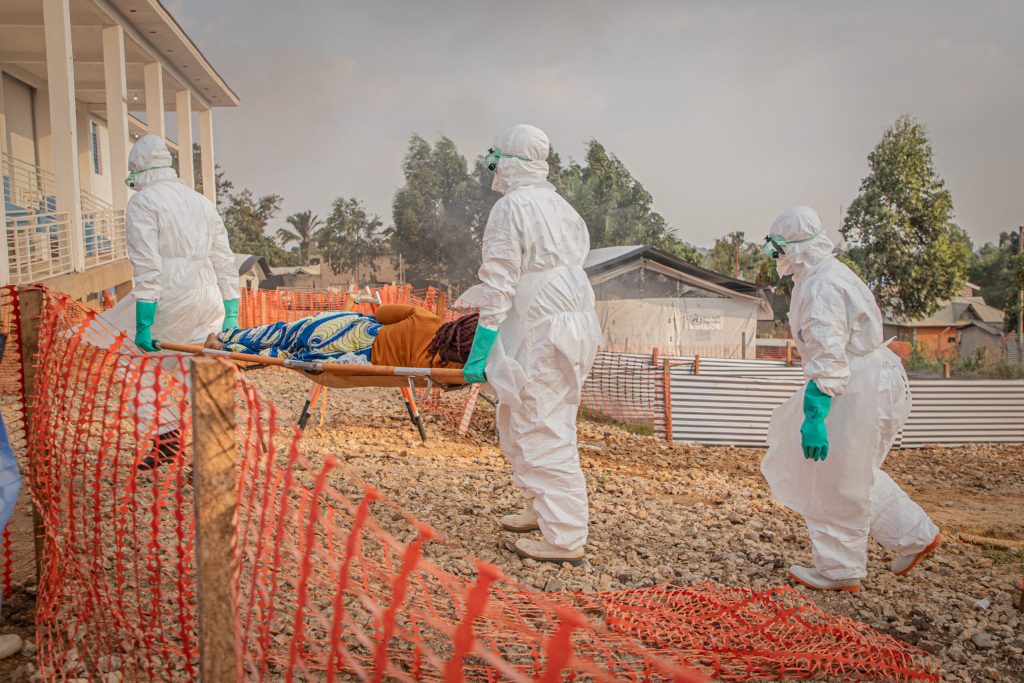
In the face of an ongoing outbreak of the Bundibugyo strain of Ebola in the Democratic Republic of Congo (DRC), researchers and healthcare professionals are taking bold steps to combat this deadly virus. With more than 500 lives claimed by this recent epidemic, the urgency to find effective treatments has never been greater. A clinical trial, supported by the World Health Organization (WHO), has commenced to evaluate experimental therapies that may improve patient outcomes and enhance the global response to future outbreaks. This initiative not only highlights the importance of scientific research in public health but also raises critical questions about the development and deployment of medical treatments in crisis situations.
At the heart of this clinical trial are two promising interventions: a monoclonal antibody cocktail known as MBP134, developed by Mapp Biopharmaceutical, and an antiviral medication called remdesivir, produced by Gilead Sciences Inc. The trial is taking place in the Ituri province of DRC, which has been significantly affected by this outbreak. The innovative design of the trial, termed an adaptive platform trial, allows for flexibility in testing various treatments, enabling researchers to respond dynamically to the evolving nature of the epidemic. This adaptability is crucial, especially in a setting where outbreaks can emerge and dissipate rapidly.
The WHO has expressed optimism regarding the trial, with Director-General Tedros Adhanom Ghebreyesus emphasizing the potential for this research to yield valuable insights for the communities directly impacted by the Ebola virus. Amanda Rojek, an associate professor at the University of Oxford, which is coordinating the trial, has noted the challenges of conducting research in such a high-stakes environment. However, initial recruitment efforts have shown encouraging signs, as potential participants have responded positively to the opportunity to be involved in a clinical trial aimed at finding effective treatments.
The trial’s primary goal is to assess all-cause mortality rates 28 days after patient enrollment, which is a critical metric for determining the effectiveness of the treatments being tested. Additionally, secondary outcomes will include the speed at which patients clear the virus, changes in viral load, and the overall functioning of organs affected by the disease. Special attention is being given to vulnerable populations, including children, pregnant women, and breastfeeding mothers, who have historically been underrepresented in research studies despite facing significant risks associated with Ebola.
One of the most significant aspects of this clinical trial is its ability to adapt to future outbreaks. Should the current epidemic subside before the necessary number of participants is reached, the protocol allows for continued recruitment during subsequent outbreaks. This flexibility not only maximizes the use of resources but also ensures that valuable data can be collected across different instances of the disease, ultimately leading to a deeper understanding of how to combat Ebola and related viruses, such as Marburg.
The outbreak has already impacted nearly 1,600 individuals across DRC and neighboring Uganda, marking it as one of the largest incidents of Bundibugyo Ebola on record. As the trial progresses, it remains crucial to monitor the rate of new infections and the capacity of treatment facilities. Although the number of daily confirmed cases has recently decreased, the ongoing transmission in Ituri presents a daunting challenge for healthcare workers who are striving to meet the demand for treatment.
For traders and investors, the developments surrounding this clinical trial could signal emerging opportunities in the biotech and pharmaceutical sectors. Companies involved in developing antiviral therapies and monoclonal antibodies are likely to attract increased attention, particularly as public health authorities prioritize investment in research that can yield significant benefits in combating infectious diseases. The outcomes of this trial could also influence policy decisions and funding allocations toward future health crises, making it imperative for stakeholders to stay informed about the progress and results of this research.
In conclusion, the ongoing clinical trial for Ebola treatments represents a crucial step in the fight against a virus that has long posed a threat to global health. With innovative research methodologies and a focus on inclusivity, the trial aims to provide answers that could save lives and improve care for those affected by the disease. As the world watches the developments unfold, the lessons learned from this outbreak and the response to it will undoubtedly shape future approaches to infectious disease management and treatment.