
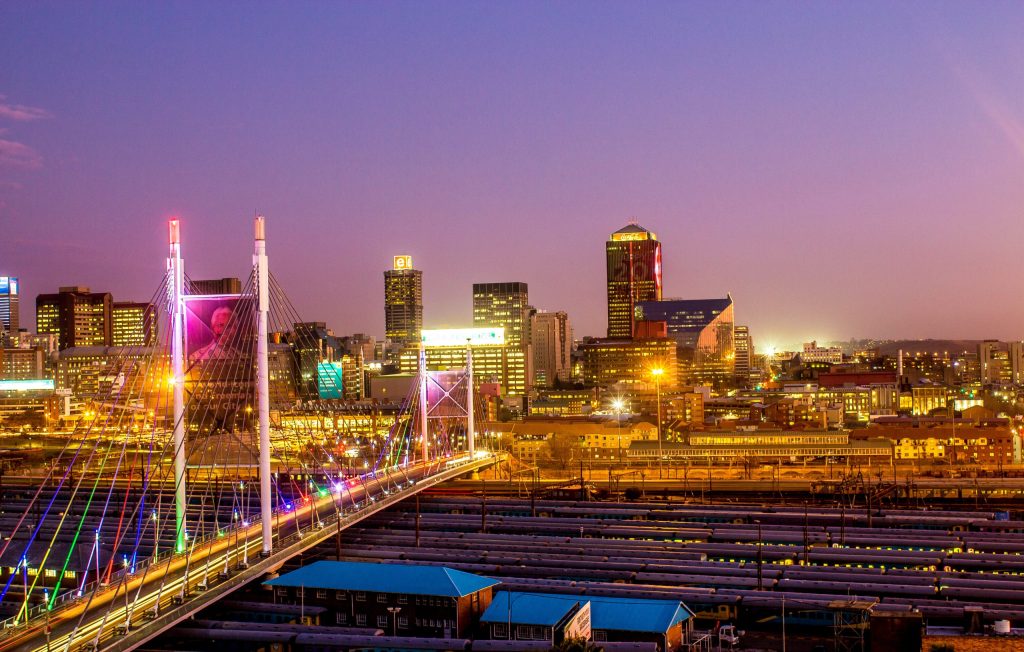
The City of Johannesburg, South Africa’s economic hub, has recently released its third-quarter financial results, which officials claim reflect significant progress and a credible turnaround in the city’s financial health. However, as with any financial report, the numbers tell a multifaceted story, and the perception of progress can vary greatly between officials and critics. As the city grapples with a plethora of financial challenges, including a staggering debtors’ book and strained cash flow, the question arises: is Johannesburg genuinely moving forward, or merely presenting a more positive narrative around its ongoing struggles?
The financial landscape of Johannesburg has long been a topic of concern for residents and analysts alike. The city’s administration has touted improvements, highlighting stronger revenue collection and better financial indicators as signs of a turnaround. Nevertheless, critics remain skeptical, pointing out that the city’s cash reserves are alarmingly low, with only enough liquidity to cover five days of operational costs in a month. Such a precarious position raises legitimate concerns about the city’s ability to maintain essential services and pay its creditors, including Eskom, the national power supplier.
At the heart of the financial analysis is the city’s debtors’ book, which currently stands at an astonishing R73.7 billion (approximately $4 billion). This figure represents the total amount owed to the city by residents and businesses, and the reality is that a significant portion of this debt is unlikely to be collected. The COVID-19 pandemic exacerbated many of these financial woes, leading to increased debt as many residents faced economic hardship. The question of how much of this debt is realistically collectible has become a pressing concern for the city’s financial decision-makers.
Tebogo Moraka, the Chief Financial Officer of Johannesburg, acknowledges the challenges posed by the high debtors’ book. He emphasizes that a careful analysis is underway to determine which debts are recoverable and which should be written off as unrecoverable. This reassessment is crucial for the city’s long-term financial planning, as it will help establish a more accurate picture of its financial health and future revenue potential.
Despite these challenges, Moraka insists that the city is making slow but steady progress. He cautions against expecting an overnight turnaround, arguing that improvement will take time, especially after years of declining performance. However, he also stresses the importance of recognizing even incremental progress as a positive sign. For Johannesburg, the focus must be on sustaining momentum and enhancing initiatives that show promise, even if the pace feels sluggish.
There are key takeaways for both residents and investors watching Johannesburg’s financial situation. First, while the city’s administration may be optimistic, it is essential for citizens to remain vigilant and engage in conversations about financial transparency and accountability. Residents should not hesitate to question how their tax dollars are being managed, particularly when basic services rely heavily on effective financial governance.
Second, for investors and business owners operating in Johannesburg, understanding the local government’s financial health is critical. The city’s ability to provide essential services, maintain infrastructure, and ensure a stable environment for businesses hinges on its financial recovery. Investors should closely monitor developments related to the city’s debt collection efforts and any policy changes aimed at improving financial management.
From an investment standpoint, the current situation presents both risks and opportunities. Investors looking to enter the Johannesburg market should conduct thorough due diligence on the city’s financial management practices and potential for recovery. Collaborating with local businesses and government entities could yield valuable insights and contribute to a more robust economic environment.
In conclusion, the City of Johannesburg stands at a crossroads in its financial journey. While there are signs of progress, the underlying issues of debt and cash flow should not be overlooked. As the city continues to navigate its financial landscape, both residents and investors must remain informed and engaged, advocating for transparency and sustainable practices. Ultimately, whether Johannesburg is genuinely turning a corner or simply framing its challenges more optimistically will depend on the city’s ability to address its financial realities head-on and implement effective strategies for recovery.