
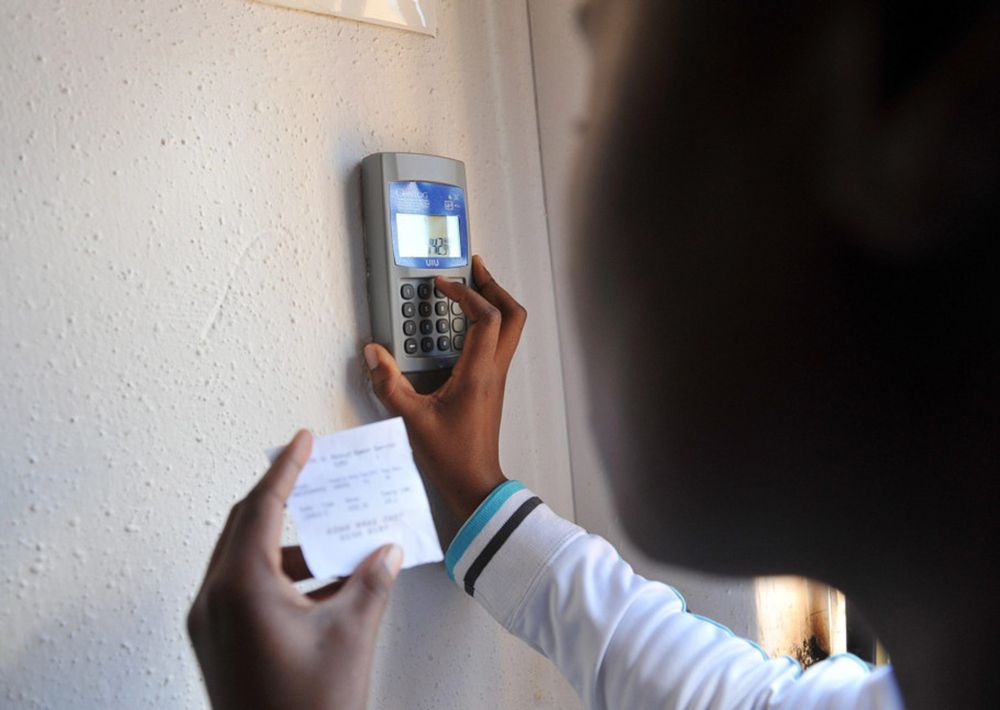
As the cold months settle in across South Africa, many households are grappling with an unwelcome financial burden: the rising costs of electricity. With the chill in the air comes an increase in energy consumption, particularly from high-use appliances that can quickly inflate monthly utility bills. Understanding how these costs accrue is crucial for families looking to manage their finances effectively during winter.
Recent studies reveal that the average South African household spends around R3,794 a month on electricity. This significant expense is largely driven by a select group of energy-hungry appliances that dominate the consumption landscape. Among these, the geyser stands out as the leading contributor, consuming approximately 240 kWh monthly, which translates to an expense of around R840. Following closely behind are heaters and stoves, costing households R630 and R472, respectively.
As electricity tariffs continue to rise, the challenge becomes twofold: not only do consumers face higher prices per unit of electricity, but their actual consumption tends to spike during the colder months as well. This interplay of rising costs and increased usage necessitates a thorough understanding of energy consumption habits in order to mitigate financial strain.
The primary energy culprits in South African homes are not just limited to geysers and heaters. Other commonly used appliances, including refrigerators, washing machines, and even lighting, contribute significantly to the overall electricity bill. This trend underscores the importance of pinpointing which devices are driving up expenses, allowing households to focus on areas for potential savings.
As winter progresses, homeowners must be vigilant about the increased usage of these appliances and the associated risks. For instance, regular inspections of geysers are crucial, as malfunctioning units can lead to costly repairs and considerable inconvenience. In colder months, when hot water is essential, a burst geyser can exacerbate financial and emotional stress. Additionally, ensuring gas installations are compliant and regularly serviced is vital for safety. Properly stored gas bottles and functional heaters are necessary precautions to reduce risks such as leaks or fire hazards.
Moreover, neglected appliances can become inefficient over time, leading to higher energy consumption. Heaters that have been unused for an extended period should be tested before use, while older devices require ongoing maintenance to ensure they operate efficiently. Fireplaces and chimneys, too, need servicing to avoid dangerous indoor air conditions and potential fire incidents.
Despite the inevitability of certain energy expenditures during winter, there are several small behavioral adjustments that can lead to significant savings. For instance, turning off appliances when they are not in use can dramatically reduce electricity costs while also minimizing fire risks. Insulating geysers and adjusting temperature settings can further limit energy consumption. Simple practices like these can create a considerable impact on monthly bills.
Key points to consider when managing winter electricity costs include:
1. **Identify High-Use Appliances**: Understanding which appliances consume the most energy can help prioritize usage and enable targeted savings efforts.
2. **Regular Maintenance**: Ensure that all appliances, especially heaters and geysers, are regularly maintained to operate efficiently and safely.
3. **Smart Usage Habits**: Developing habits such as turning off appliances when not in use and insulating geysers can lead to substantial savings.
4. **Safety Checks**: Regularly inspect gas installations and heating systems to prevent potential hazards.
For traders and investors looking to capitalize on the energy sector, understanding the dynamics of household energy consumption can present opportunities. The rising costs may lead to increased demand for energy-efficient appliances and home improvement services. Companies that provide solutions for energy conservation or smart home technologies may find a growing market as consumers seek ways to mitigate their electricity expenses.
In conclusion, as South African households navigate the chilling grip of winter, the financial implications of rising electricity costs cannot be ignored. By gaining insights into energy consumption patterns and adopting proactive measures, families can not only manage their monthly budgets more effectively but also ensure a safer home environment. Small changes can lead to meaningful savings, and with careful planning, households can withstand the winter surge without facing overwhelming financial strain.