
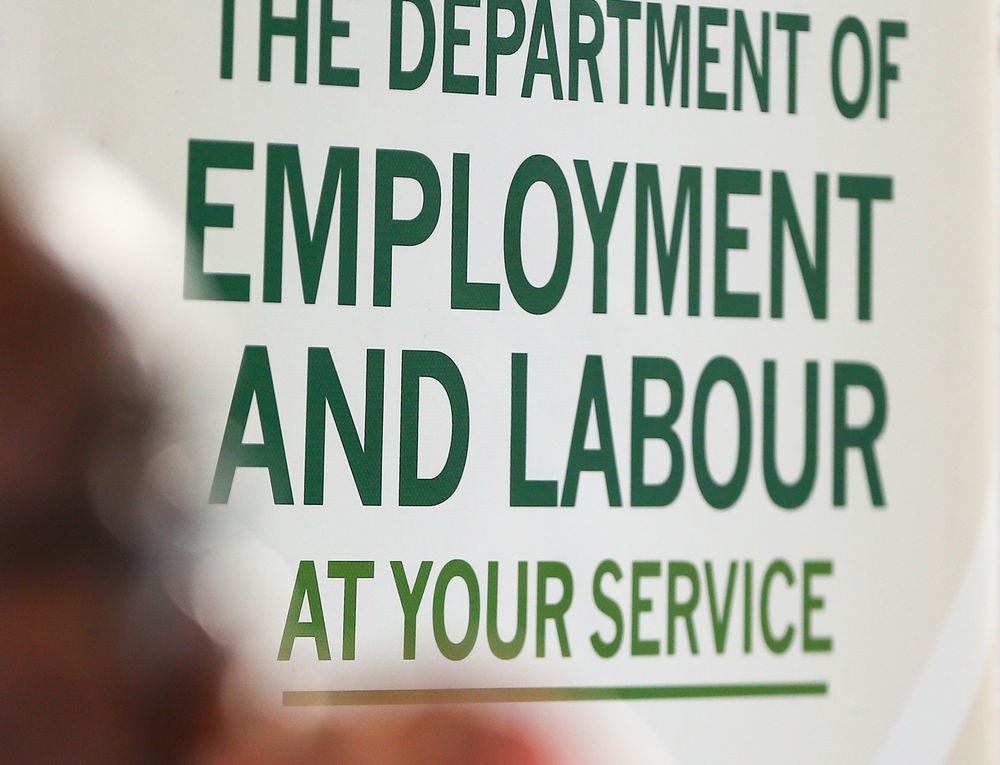
In a world where labor markets continually evolve, South Africa is taking significant steps to modernize its employment services framework through the introduction of the Employment Services Amendment Bill, 2026. This legislative initiative seeks to enhance the regulation of labor and migration, ensuring that the country’s employment landscape is not only robust but also adaptable to the changing dynamics of both local and foreign labor markets. As this bill progresses through the legislative process, it is essential for employers, workers, and investors to grasp its implications thoroughly.
The Employment Services Amendment Bill, 2026 is designed with the intent to provide clearer guidelines and a more structured approach to employment services in South Africa. It aims to refine various definitions within employment legislation, broaden its scope to encompass foreign nationals, and include additional categories of workers. At the core of this bill is the emphasis on improving the governance of labor migration, which is increasingly critical in a globalized economy.
One of the most notable features of this proposed bill is the expanded authority granted to the Employment Services Board. This board will play a pivotal role in overseeing compliance and ensuring that employers adhere to the updated regulations. Furthermore, the bill proposes enhanced enforcement mechanisms that will empower the Minister of Employment and Labour, currently Nomakhosazana Meth, with expanded regulatory powers. These changes are anticipated to make it easier for the government to manage labor migration effectively and create a more coherent system that benefits both employers and employees.
As the bill moves forward, it is important to note that it also recognizes Supported Employment Enterprises more distinctly within the regulatory framework. This recognition is vital as it underscores the government’s commitment to supporting employment initiatives that benefit marginalized groups and promote inclusivity in the workforce.
For employers, the implications of the Employment Services Amendment Bill, 2026 are significant. The proposed changes emphasize a rigorous approach to compliance, with a particular focus on the recruitment and employment of foreign nationals. Companies may need to implement more stringent verification processes and maintain meticulous documentation throughout the employment lifecycle. This increased scrutiny means that businesses must be prepared to adapt their hiring practices, ensuring that they are aligned with the evolving requirements of the legislation.
Additionally, organizations that utilize private employment agencies or labor brokers should take this opportunity to review existing agreements and internal oversight procedures. This proactive approach will help ensure that they remain compliant as the regulatory landscape evolves. The bill’s introduction of enhanced enforcement provisions also signals a shift towards a more closely monitored regulatory environment. Employers should be aware that adherence to employment and immigration laws will be scrutinized more closely, necessitating transparent and accountable compliance processes.
Key sectors that rely heavily on foreign skills, such as agriculture, mining, construction, engineering, hospitality, healthcare, manufacturing, security, and retail, will need to pay close attention to these developments. However, the implications of the amendment bill extend beyond these industries, as it has the potential to reshape the overall engagement of organizations with labor migration and employment services across the economy.
A critical takeaway from the Employment Services Amendment Bill is its aim to create a coherent policy environment that aligns employment services with immigration and refugee frameworks. This alignment is crucial for ensuring that labor market policies are consistent and supportive of broader economic objectives. Employers and investors should recognize the importance of this integration, as it can lead to a more stable and predictable environment for labor market operations.
For traders and investors, understanding the potential impacts of such legislation on various sectors is essential. Companies that are proactive in adapting to these changes may find themselves at a competitive advantage, particularly in industries where skilled labor is in high demand. Conversely, firms that fail to comply with the new regulations may face increased scrutiny, penalties, and potentially damage their reputations.
In conclusion, South Africa’s Employment Services Amendment Bill, 2026 represents a significant step towards modernizing the country’s employment landscape. By enhancing labor and migration regulation, the bill aims to create a more structured and transparent environment for both employers and employees. As the legislative process unfolds, businesses must remain vigilant and ready to adapt to the new compliance requirements. Ultimately, those who embrace these changes can position themselves for success in an increasingly competitive and regulated labor market.