
As winter approaches, many households brace themselves for the inevitable spike in electricity costs. Among the various culprits, the geyser or water heater often stands out as a significant contributor to rising bills. While many homeowners only pay attention to their geysers when they run out of hot water, understanding how to manage this appliance can lead to substantial savings. This blog post explores effective strategies for reducing electricity consumption related to geyser use, ensuring both warmth and cost-efficiency during the colder months.
To begin with, it’s essential to recognize the role that a geyser plays in your home’s energy consumption, particularly in winter. As temperatures drop, the incoming water from municipal sources becomes colder, necessitating more energy for heating. Furthermore, heat loss becomes more pronounced as the water remains heated for longer periods, leading to increased energy expenditure. Lloyd Willemsen, a notable expert in energy efficiency, emphasizes that homeowners should adopt a simple yet powerful principle: “Heat only the water you need, to the temperature you need, for the time you need it.” This mantra can guide homeowners towards significant reductions in their electricity bills.
One of the most effective methods to manage geyser usage is through the installation of a timer. By programming the geyser to heat water only during peak usage hours, you can avoid unnecessary reheating during times when no one is home. For families, this strategy may lead to monthly savings ranging from R150 to R300, depending on individual usage patterns and local electricity tariffs. Such straightforward interventions can be transformative, shifting how households approach their energy consumption.
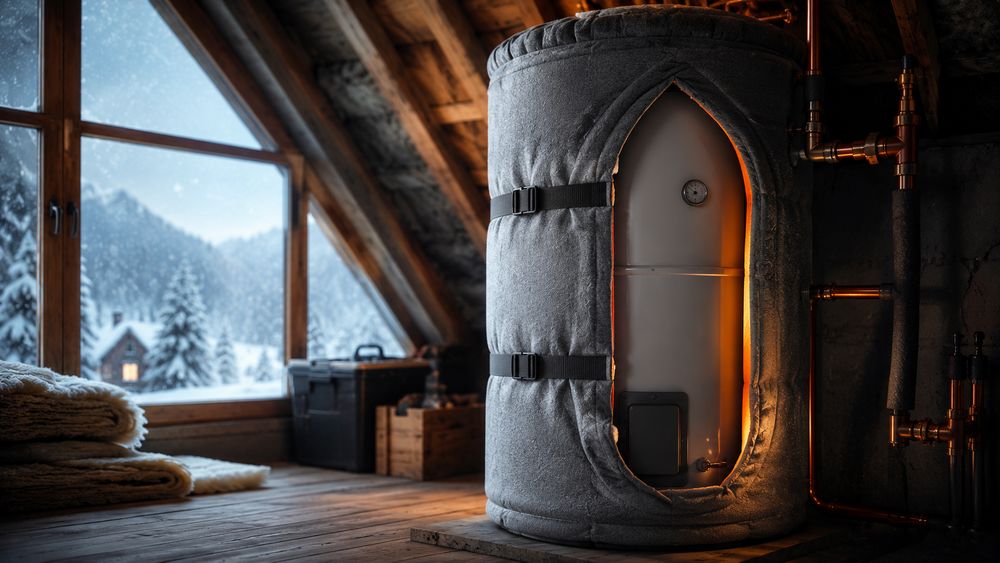
In addition to controlling when the geyser heats water, homeowners should consider insulating their geysers and the exposed hot-water pipes. This relatively low-cost investment slows down heat loss, reducing the frequency with which the geyser needs to activate. Installing a geyser blanket and insulating pipes could lead to additional savings of approximately R70 to R150 each month. These measures ensure that the heat generated is retained for longer periods, maximizing efficiency and minimizing waste.
Moreover, there is a broader context to consider when looking at heating costs. Roof insulation provides a dual benefit by not only enhancing the efficiency of the geyser but also maintaining a comfortable indoor environment throughout the year. By keeping the home warmer in winter and cooler in summer, homeowners can enjoy year-round savings on their heating and cooling expenses. While the exact benefits may vary based on the home’s structure and insulation quality, it’s clear that investing in roof insulation can be a wise financial decision.
Behavioral changes can also play a significant role in reducing hot water usage. Simple adjustments, such as shortening shower times, opting for showers instead of baths, and promptly fixing any leaking taps, can lead to noticeable savings. Depending on individual habits, these small changes can yield monthly savings of R100 to R300. Thus, homeowners are encouraged to evaluate their daily routines to find opportunities for improvement.
Another critical aspect to consider is the thermostat settings on your geyser. While maintaining a sufficiently high temperature is necessary for safety and hygiene, excessively high settings can lead to increased electricity consumption and heat losses. Homeowners should regularly review and adjust their thermostat settings to strike a balance between safety and efficiency.
For those using solar water-heating systems, it’s important not to assume that these systems are operating at peak efficiency without regular maintenance. Willemsen points out that while solar geysers can significantly reduce water-heating costs, they require consistent monitoring and upkeep to ensure optimal performance. Neglecting maintenance could lead to underperformance, thereby negating some of the financial benefits associated with solar systems.
In conclusion, managing a geyser’s energy consumption during winter can lead to considerable savings for households. By implementing timers, insulating geysers and pipes, adjusting usage habits, and maintaining optimal thermostat settings, homeowners can take proactive steps to reduce their electricity bills. As winter approaches, these insights offer a blueprint for financial prudence that not only enhances comfort but also contributes to a more sustainable energy future. With the right strategies in place, families can navigate the winter months with greater confidence and financial ease.